
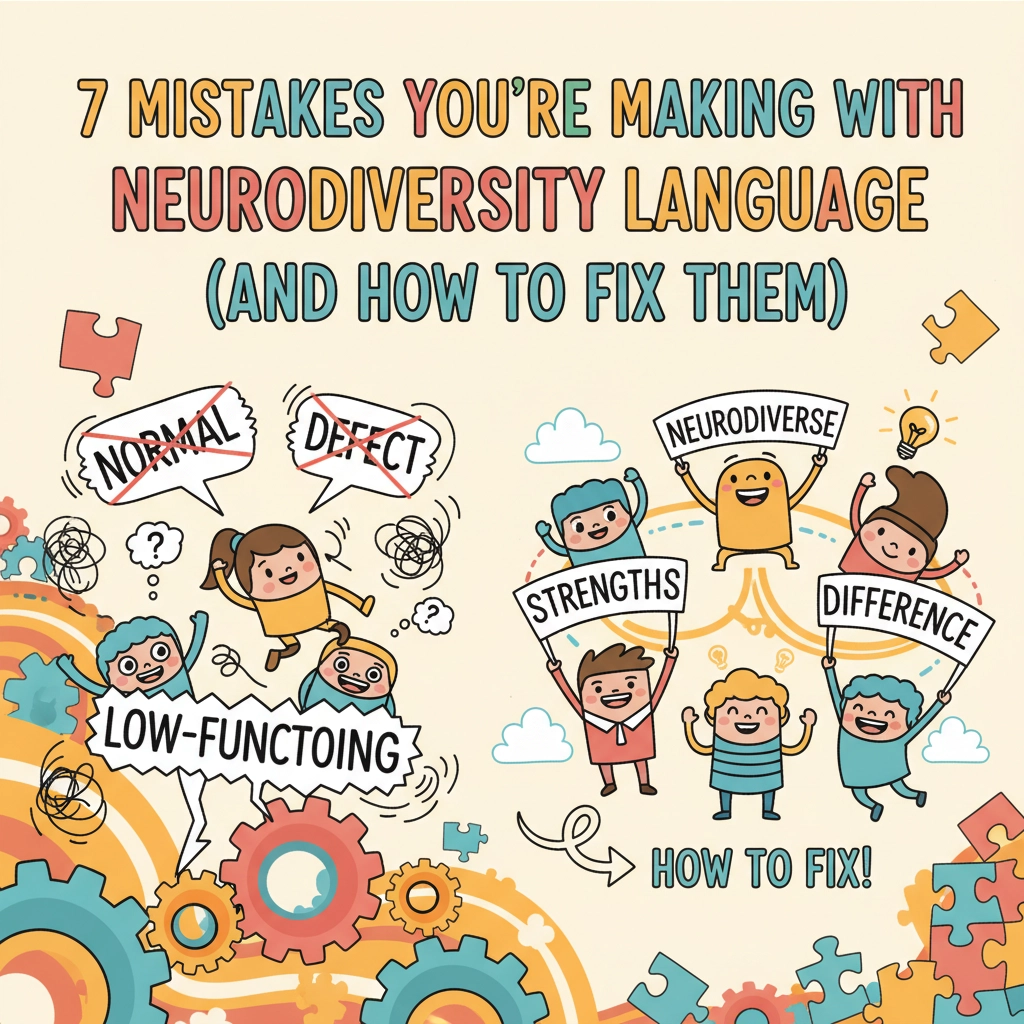
"Mom, why did that teacher say I'm 'suffering from ADHD'? I don't feel like I'm suffering."
This question from 8-year-old Maya stopped her mother in her tracks. Like many parents navigating the world of neurodiversity, Maya's mom realized that the language adults use around children's neurological differences profoundly shapes how kids see themselves: and how the world sees them.
Words have power. The language we choose when discussing neurodiversity directly influences whether neurodivergent children develop confidence in their abilities or internalize shame about their differences. Yet many well-meaning educators, parents, and even professionals continue using outdated or inaccurate terminology that can inadvertently harm the very children they're trying to help.
Why Your Word Choices Matter More Than You Think
Every day, neurodivergent children absorb messages about their worth through the language used to describe them. When adults consistently use clinical, deficit-focused terminology or make basic grammatical errors about neurodiversity, children internalize these messages. Research shows that language choices affect everything from academic achievement to mental health outcomes in neurodivergent students.
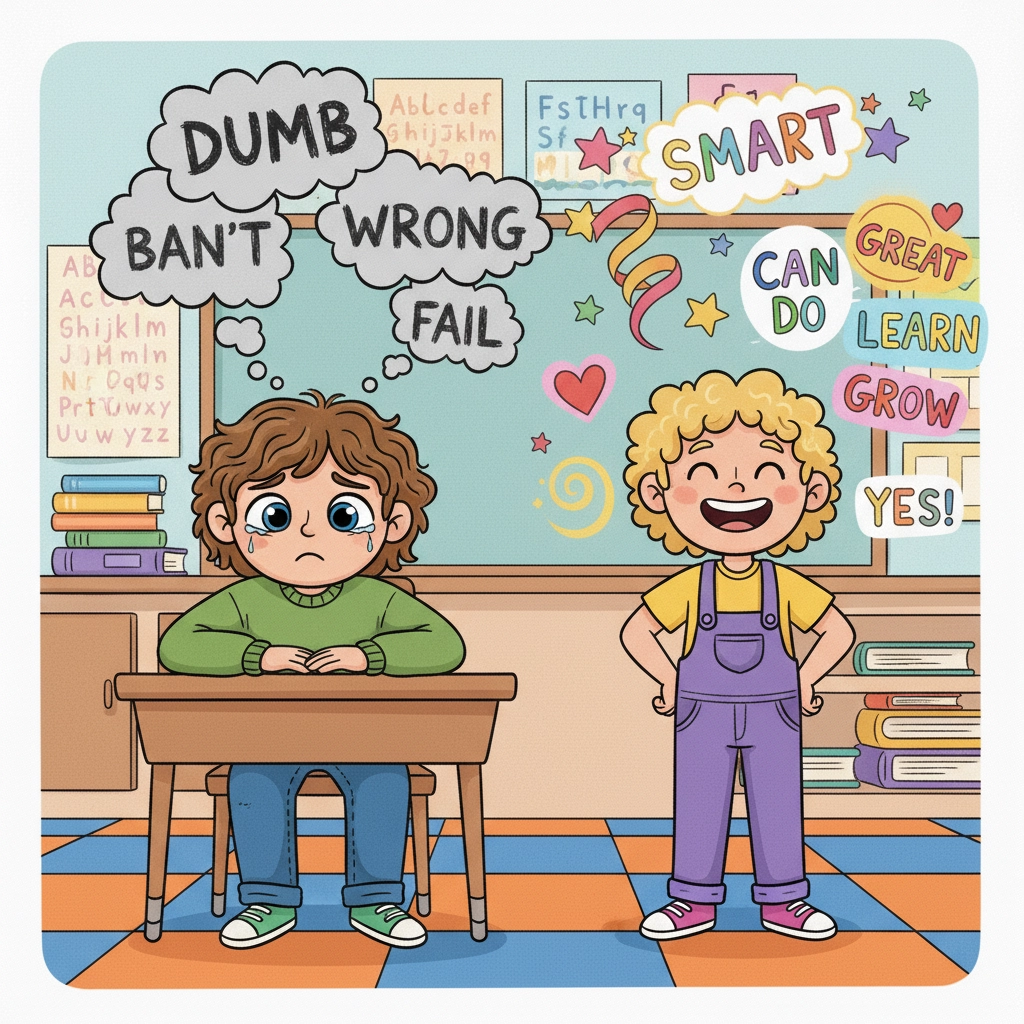
The difference between saying "Sarah has a learning disability" versus "Sarah learns differently" may seem subtle, but for Sarah, it's the difference between feeling broken and feeling unique.
Here are the seven most common neurodiversity language mistakes: and the simple fixes that can transform how children view their neurodivergent identities.
Mistake #1: Calling Individual Children "Neurodiverse" Instead of "Neurodivergent"
The Problem: One of the most widespread errors is using "neurodiverse" to describe individual children. You might hear, "Tommy is neurodiverse," but this is grammatically incorrect and conceptually wrong. The word "diverse" implies variety or difference among multiple people: it cannot describe a single person.
The Fix: Use "neurodivergent" when describing individual children. Tommy is neurodivergent. A classroom with autistic, ADHD, dyslexic, and neurotypical students together is neurodiverse.
"When I started using 'neurodivergent' instead of 'neurodiverse' to describe my daughter, she immediately noticed," shares parent Jennifer Chen. "She said, 'That sounds more like me, Mom. Like I'm different in my own special way, not just mixed up with everyone else.'"
Mistake #2: Using Vague Language Instead of Being Specific About Children's Needs
The Problem: Well-meaning adults often use broad terms like "neurodivergent" or "special needs" without specificity. While these umbrella terms have their place, children benefit when adults understand and acknowledge their specific neurological differences.
The Fix: Be as specific as appropriate and helpful. Instead of saying "Emma's neurodiversity makes reading challenging," try "Emma's dyslexia affects how she processes written words, but she's an amazing storyteller."
This specificity helps children understand their strengths alongside their challenges. It also helps adults provide more targeted support rather than generic accommodations.
Mistake #3: Choosing Person-First Language When Identity-First Language is Preferred
The Problem: Many educators default to person-first language ("child with autism") believing it's always more respectful. However, many autistic individuals and families prefer identity-first language ("autistic child") because autism is an integral part of who they are, not something separate or external.
The Fix: When possible, ask families and age-appropriate children about their language preferences. Many autistic self-advocates prefer "autistic person" because autism influences how they think, learn, and experience the world: it's not something they "have" like a backpack they can set down.
"My 12-year-old son taught me about this," explains educator Maria Santos. "He said, 'I'm not a person with autism, I'm autistic. It's like saying I'm a person with brown eyes instead of saying I'm brown-eyed. It's just part of who I am.'"
Mistake #4: Using Euphemisms Like "Special Needs" That Can Minimize Real Challenges
The Problem: Terms like "special needs" originated as euphemisms to avoid saying "disability," but many disability advocates now reject this language. "Special" has been weaponized as an insult in many schools, and the term can obscure what children actually need for success.
The Fix: Use direct, accurate language. If a child has a disability, it's okay to use that word: many disabled people embrace this terminology as honest representation. Focus on specific needs rather than generic categories.
Instead of "special needs classroom," try "resource room" or "small group instruction." Instead of "special needs child," consider "child who needs extra time for processing" or simply use the child's name and specific accommodations.
Mistake #5: Grouping Children by Their Disabilities as Categories Rather Than Individuals
The Problem: Language like "the ADHD kids" or "our autistics" reduces children to their neurological differences and creates an "us versus them" mentality in educational settings.
The Fix: Always maintain person-centered language. Say "students with ADHD," "our autistic students," or better yet, use children's names. "Maria, Sam, and Justin will need movement breaks" is far more respectful than "the ADHD kids will need movement breaks."
Mistake #6: Using "With Neurodiversity" to Describe Individual Children
The Problem: Phrases like "children with neurodiversity" are linguistically incorrect and perpetuate outdated medical model thinking. Neurodiversity refers to the natural variation in human brains across a population: it's not something individuals "have."
The Fix: Never use "with neurodiversity" for individuals. You can design "with neurodiversity in mind" (referring to inclusive design principles), but children are simply "neurodivergent," not "with neurodiversity."
Mistake #7: Clinging to Outdated or Clinical Terminology That Focuses on Deficits
The Problem: Terms like "suffers from ADHD," "victim of autism," or "afflicted with dyslexia" frame neurodivergence as tragedy rather than difference. This language teaches children to view their brains as problems to be fixed rather than differences to be understood and supported.
The Fix: Use neutral, strength-based language. Instead of "suffers from ADHD," try "has ADHD" or "is an ADHDer." Instead of "struggling with dyslexia," consider "learning to work with dyslexia" or "developing dyslexia-friendly strategies."
The Ripple Effect of Better Language Choices
When adults consistently use respectful, accurate neurodiversity language, children notice. They begin to internalize more positive messages about their neurological differences. Teachers report that classrooms with inclusive language practices show less bullying and more peer acceptance of differences.
"After we changed how we talked about neurodivergence in our school, something beautiful happened," shares elementary principal Dr. James Wright. "Children started advocating for themselves and each other. Instead of hiding their differences, they started explaining them. 'I need to fidget to focus' became as normal as 'I need glasses to see clearly.'"
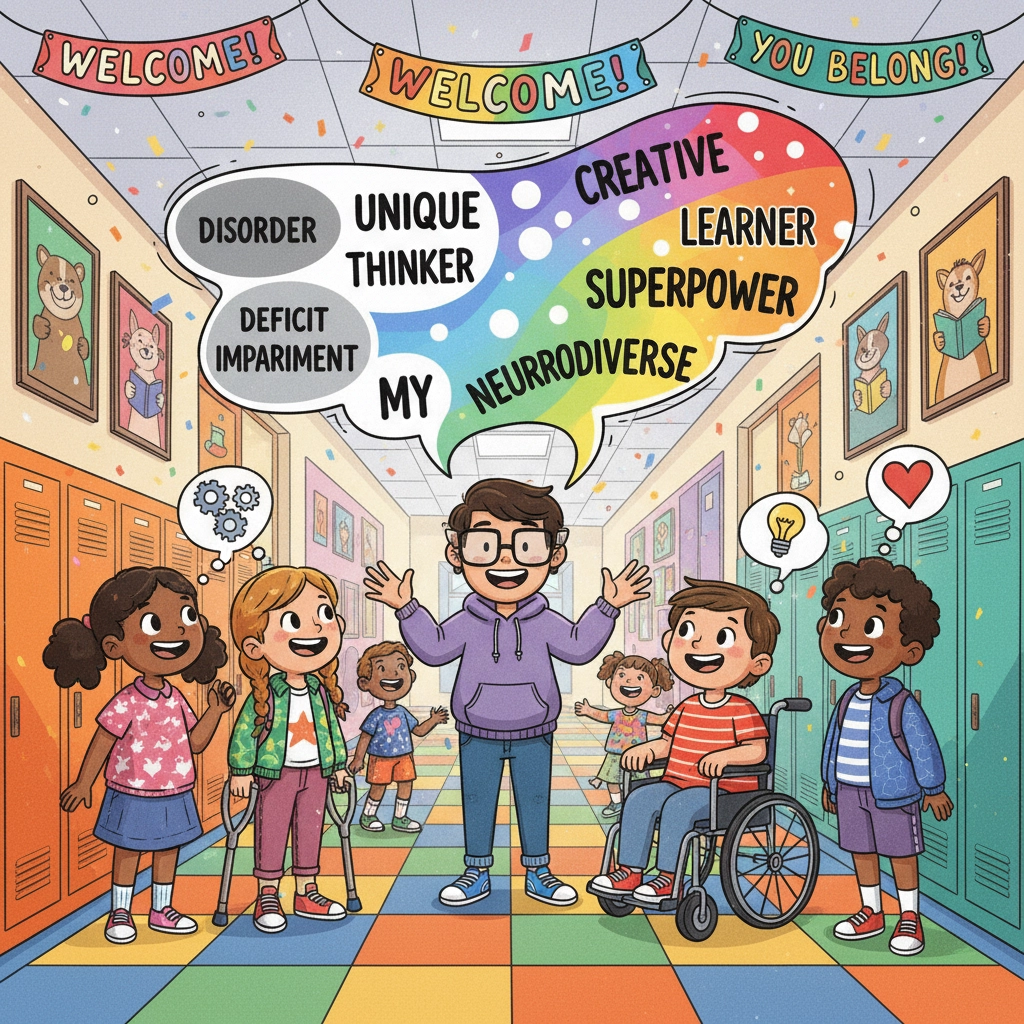
The language shifts also affect how neurotypical children view their neurodivergent peers. When adults model respectful, specific language about neurological differences, all children learn that brains work in many different ways: and that's not just okay, it's valuable.
Moving Forward: Creating Language-Conscious Communities
As our understanding of neurodiversity evolves, so should our language. The goal isn't perfect terminology: it's thoughtful, respectful communication that honors the full humanity of neurodivergent children.
Start small. Choose one language shift from this list and practice it consistently. Notice how children respond when you use more specific, respectful language about neurological differences. Pay attention to the preferences of neurodivergent individuals in your community, especially as children grow old enough to articulate their own language preferences.
Remember that language is always evolving, and different families may have different preferences. The key is staying curious, asking questions respectfully, and prioritizing the voices of neurodivergent individuals themselves.
When we get the language right, we're not just being politically correct: we're creating environments where all children can thrive as their authentic selves. And in a world where neurodivergent children often face misunderstanding and stigma, that linguistic care becomes a powerful form of advocacy and support.
Ready to learn more about creating inclusive environments for neurodivergent children? Explore our resources at XTERMIGATOR KIDS where we help families and educators understand that a disability is not an inability: it's simply a different way of experiencing the world.