
Why Everyone Is Talking About "Disability Superpowers" (And How It's Changing Education)
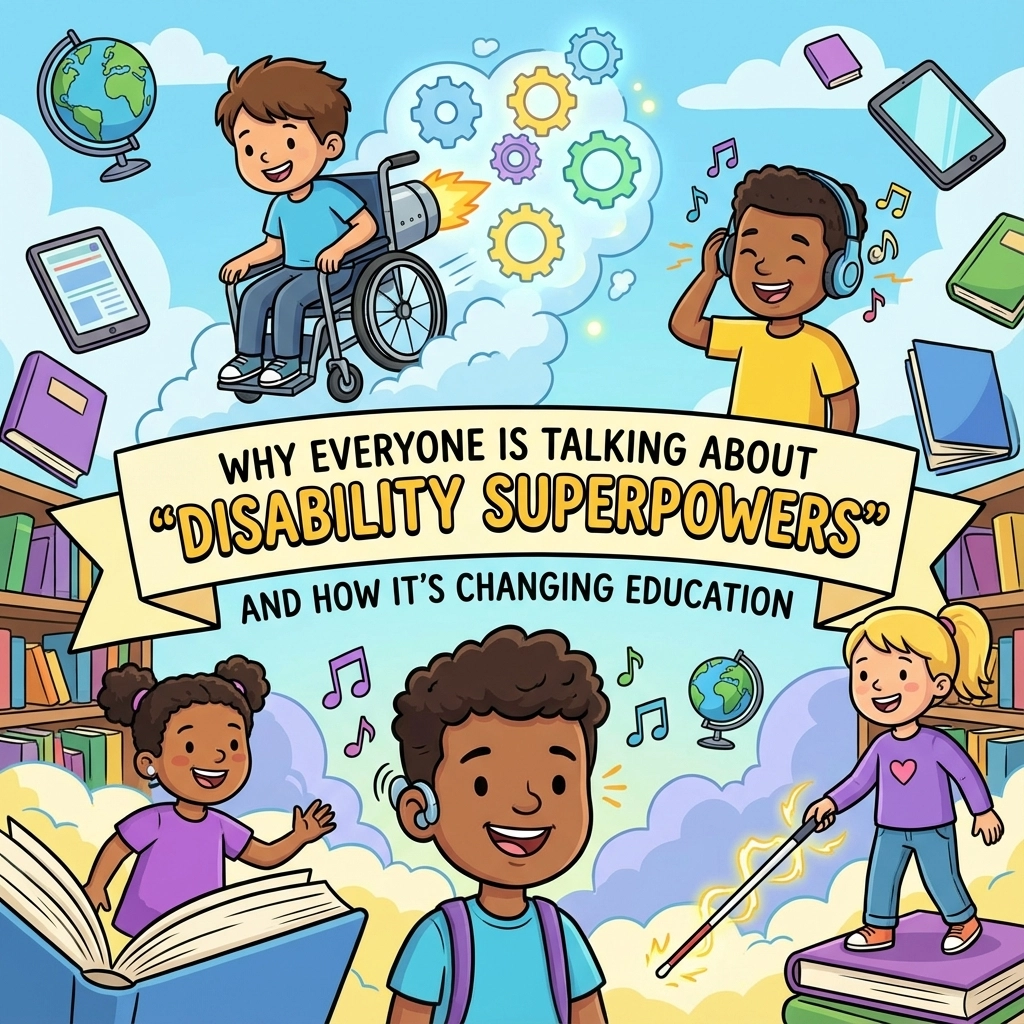
When "Different" Feels Like "Less", And Kids Start to Hide Their Light
"I never do anything right in reading class," whispered Romeo the Otter, furrowing his fuzzy brow as he watched the Friendly Ferns Swamp fill with festive banners and the sweet smell of swamp cupcakes. It was supposed to be a celebration, but Romeo worried he’d trip over his words, again.
If you’ve ever watched a child pull away from a group, avoid answering questions, or use humor to hide confusion, you know the heartbreak of seeing “different” become “less than.” This feeling isn’t rare. For decades, both families and teachers have tried their best with a system built more for conformity than for celebrating differences.
But something special is happening, both in real swamps and human classrooms.
How "Superpowers" Became the New Language of Possibility
"Kids are finally being seen not for what they struggle with, but for the gifts they bring," says Ms. Lily Hayward, a special education teacher and facilitator of strength-based learning in the Friendly Ferns Swamp program.
Over the past few years, the phrase “disability superpowers” has taken off. Instead of focusing on what students can’t do, educators, therapists, and parents are looking for what they handle differently, and, at times, exceptionally well.
As Dr. Rina Packiam Alloway, a leading advocate in neurodiversity, says:
"When we describe dyslexia, ADHD, or autism as superpowers, children begin to see themselves as capable, not flawed. They see possibility and pride. It's a massive shift in mindset, from fear to hope."
Research is catching up, too. Brain imaging now reveals that children with dyslexia can have superior visual-spatial reasoning. Kids with ADHD may bring bursts of creative problem-solving no one else would dream up. This narrative is changing not to gloss over challenges, but to help children reclaim their stories, and their confidence.
The Swamp’s Secret: Real-World Stories of Hidden Talents
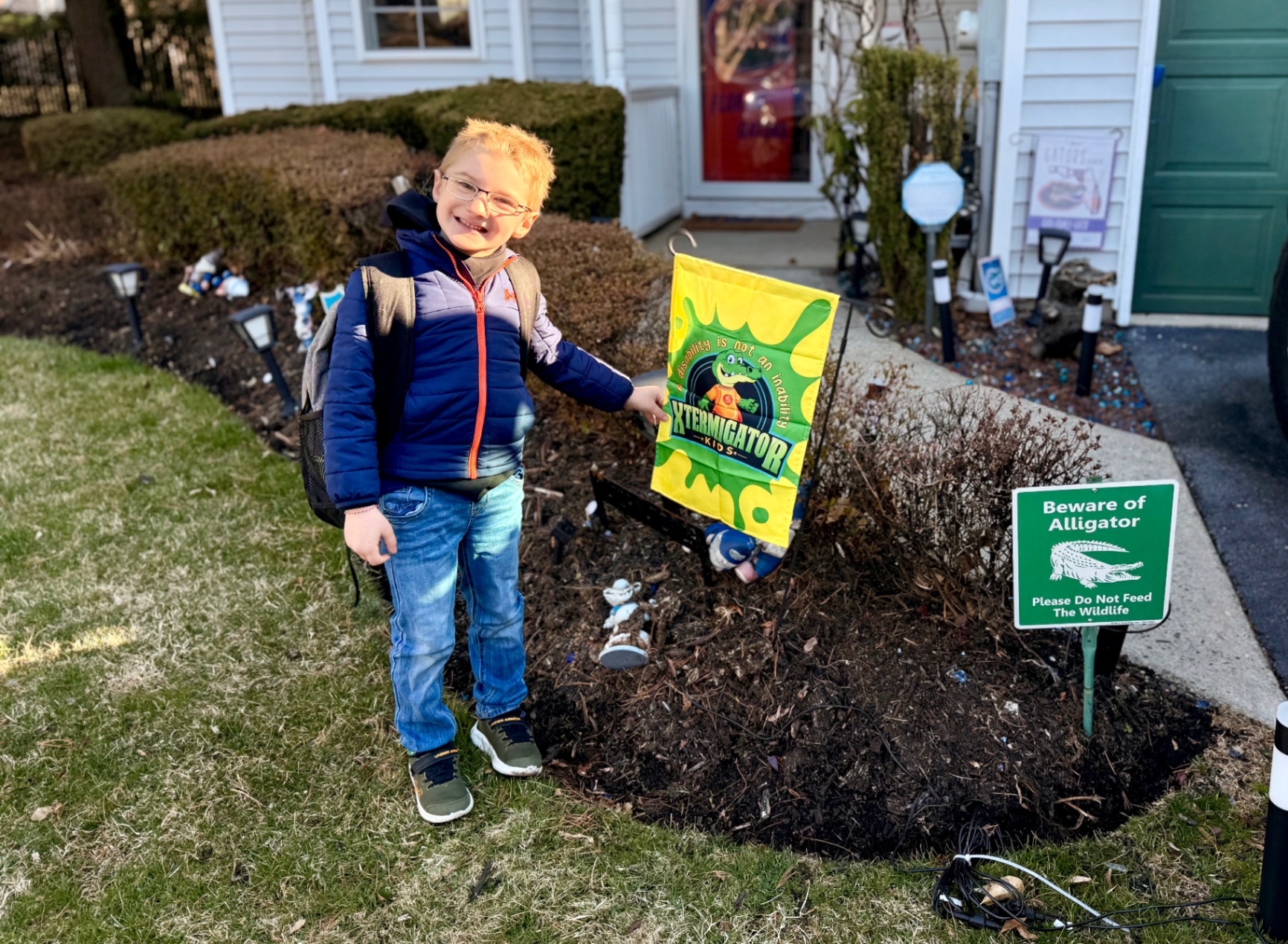
XTERMIGATOR KIDS: “A disability is not an inability.” Our favorite swamp motto waves outside homes (and classrooms) everywhere.
Look no further than the cast of Xtermigator & the Zoomy Frog for living proof:
Romeo the Otter loves solving mechanical puzzles even when reading falls flat. Shelly the Turtle may be slow to join group games but never forgets a single kindness, bringing friends together with empathy and insight. Xtermigator himself? Fiercely protective. He may sometimes miss social cues, but he spots danger, and opportunity, before anyone else.
In one particularly sticky situation, the Friendly Ferns needed to decode a secret swamp map riddled with backwards letters (hello, dyslexia challenge). Romeo didn’t just keep up, he led the charge.
"Romeo, you saw the pattern that no one else did!" exclaimed Xtermigator, shining a light on the otter’s unique brain wiring.
Why "Superpowers" Resonate: Direct Quotes from Classrooms & Families
"Before we started talking about superpowers, my daughter only saw herself by her struggles. Now she can name her strengths, as a friend, a builder, and an idea-generator,” shares Anna Williams, a parent in the XTERMIGATOR KIDS community.
Ben Shifrin, Head of the Jemicy School (specializing in dyslexia/language differences), reflects:
“When we focus on fixing kids, we train them to become experts at hiding. When we focus on strengths, we make risk-taking and innovation feel safe.”
Classrooms across the country are catching on. Teachers are asking children with unusual perspectives to lead group projects, rather than always catching up. One kindergarten teacher recently told her student with autism,
"We need your attention to detail, none of us spot the hidden forest frogs like you do!"
That student went from shrinking away to standing tall as "chief frog-finder."
Beyond Buzzwords: What Strength-Based Learning Really Looks Like
Setting Up for Success (Not Avoidance)
Old-school education (and workplace training, too) put their energy into gaps: test scores, compliance, standardized reading. But strength-based learning flips the script.
What it actually means:
- Early Identification of Strengths: Students map talents (maybe drawing, problem-solving, emotional support) with mentors.
- Real-World Integration: Programs like Catalyst connect kids with disabilities to internships at companies like IBM, showing that their talents are workforce assets.
- Movement-Based Learning: Adding physical activity: like acting out stories or building models: helps kids with ADHD focus and kids on the autism spectrum connect sensory input with classroom concepts.
"Movement isn’t just a break; it’s a bridge to learning," insists Ms. Hayward. In the swamp, every lesson has a hands-on moment: sometimes, quite literally!
What About the Critics? "Superpower" vs. "Unique Strength": And Why Language Matters
Kindness counts as a superpower, too. The Xtermigator’s Big Heart Series encourages daily acts of caring: just as vital as reading or math.
Not everyone is wild about the word “superpower.” Some experts worry it sets unrealistic expectations or glosses over real pain and daily barriers.
Dr. Tali Gershoni, educational psychologist, prefers nuance:
“Acknowledging disability means seeing both struggle and strength. ‘Superpower’ is only helpful if it lets the child feel whole: not pressured or performative.”
At XTERMIGATOR KIDS, we encourage families to use language that fits their child’s real experience. Sometimes, “gift,” “talent,” or simply “difference” feels better. The point is not the label: it’s the spotlight on value, not lack.
The Emotional Transformation: When Strengths Set Kids Free
"We were at a swamp party and my son: the one who used to hide behind me: volunteered to lead the treasure hunt. He hadn’t memorized the clues. Instead, he read the crowd, predicted their next move, and outsmarted everyone,” laughs Eric Fishon, XTERMIGATOR KIDS founder and swamp-dad.
"That’s not just bravery: that’s using his energy and intuition as his advantage."
A similar breakthrough happened at Friendly Ferns Elementary:
When Timmy, a third grader with ADHD, was asked to design a class rule poster, he used his “zoomy brain” to fill the page with action-packed, wild graphics.
"Now other kids come to him for ideas instead of picking him last for group work," beams his teacher.
That’s not just an art project: that’s emotional transformation in motion.
Clear Next Steps: Practical Ways to Create a "Superpower" Classroom or Home
- Ask, don’t assume: What activities light your child up: even if they're not academic?
- Celebrate micro-successes: Whether it’s building a Lego tower, calming a friend, or organizing a snack shelf, call out these wins.
- Invite real leadership: Let kids with memory challenges run a scavenger hunt, or kids with sensory needs design a “calm down zone.”
- Use stories as mirrors: Books like Xtermigator & the Zoomy Frog provide characters who model both challenge and triumph.
- Collaborate with teachers: Share insights about your child’s unique strengths: in and out of the classroom.
Looking Ahead: Building a World Where All Kids Belong
Inclusion isn’t just a goal; it’s a daily practice. “A disability is not an inability”: the mantra we want every child to believe.
The journey is ongoing. As more schools and families adopt this superpower lens, the hope is that fewer kids will hide their differences…and more will lead with them.
"Maybe it’s not about being the same swamp animal as everyone else," muses Romeo the Otter, "but about bringing your own splash to the pond."
If you’re ready to start this journey, explore our flipbook stories and classroom tools: crafted to help every child, every brain, belong.
For more resources on neurodiversity, inclusive education, and bringing strength-based learning to your classroom or home, visit XTERMIGATOR KIDS.