
“It’s not fair to keep saying, ‘Just focus harder’ when focus works differently for every brain. When my son’s teacher started giving assignment options: infographics, recordings, or old-fashioned essays: suddenly he was finishing projects with pride, not panic.”
: Maya, parent of a neurodiverse eighth grader
Why Standard Strategies Don't Fit Every Brain
If you’ve ever watched a neurodivergent kid (ADHD, autism, learning differences) struggle through the classic worksheet or sit-still-and-listen routine, you know the frustration is real. Not for lack of effort: but because those systems aren’t designed with different brains in mind.
Neurodivergent-friendly teaching means crafting classrooms where differences aren’t obstacles, but assets.
Here’s what actually works: right from leading educators, research, and parent/teacher voices.
1. Universal Design for Learning: Design for Everyone, Not Just “Typical” Students
“I used to create individual accommodations. Now I think UDL-first: Can every student access this material, no matter how they learn? That shift reduced stress for everyone, especially kids who never wanted ‘special’ treatment.”
: Ms. DeLuca, 4th Grade Teacher
Universal Design for Learning (UDL) is the gold standard for equity in the classroom. Instead of relying on one “right” way to teach, UDL builds in multiple ways to access, engage, and express learning (think: options for audio, video, visuals, and hands-on activities).
Key benefit:
- Kids aren’t stuck waiting for permission or paperwork: they’re just included from day one.
Technical term in action:
- Multiple Means of Representation: Content is shared as infographics, interactive simulations, and stories, not just written paragraphs.
2. Multi-Format Content Delivery: Learning Isn’t One-Size-Fits-All
“Closed captions, audio summaries, printable notes: our students choose what works. My nonverbal student aces quizzes after video lessons, even when live lectures shut him down.”
: Ms. Ahuja, Technology Integrator
Offer all lessons in as many formats as possible: videos (with captions), podcasts, visual guides, written summaries. Pair this with screen reader compatibility and clear image alt text.
Why it matters:
- For a kid who finds reading overwhelming but absorbs info through audio, this is the difference between floundering and thriving.
Technical tip:
- Use platforms that auto-generate closed captions (like YouTube or Edpuzzle) and make text easy to enlarge or adapt.
3. Batch and Bundle Tasks: Reduce “Gear Shifting” Fatigue
“For my son with ADHD, switching between tasks over and over is the real killer. Teachers who let him tackle all the math, then move on to reading, see better work and less meltdown.”
: Sarah, parent and advocate
Neurodivergent brains often pay a hefty price for task-switching. Instead, batch similar assignments (like grouping all vocabulary questions) and offer “block time” so students focus on one topic before switching.
Teacher transformation:
- “I started clustering all writing work, then all reading, instead of mixing it up in one day. Completion rates soared, and anxious students stopped feeling so lost.”
4. Let Students Show Mastery Their Way: Multiple Expression Pathways
“Our alligator mascot makes video book reviews, and so do some kids! Others use comics or podcasts. Rigid formats used to mean failing grades for creative thinkers.”
: XTERMIGATOR KIDS Curriculum Team
Give students the choice of how to demonstrate learning (essay, presentation, poster, podcast, or a visual story). This lets learners leverage their strengths: from verbal storytelling to digital art.
Technical edge:
- Authentic assessment: Measuring understanding instead of test-taking stamina or handwriting speed.
5. Scaffold the Big Stuff: Break Projects into Bite-Sized Chunks
“We take one step a week: topic, outline, first draft, then polish. My students with executive functioning challenges feel accomplished instead of overwhelmed.”
: Mr. Austin, Middle School Science
Large projects can feel like standing at the bottom of a mountain with pebbles in your shoes. Scaffold: break tasks into explicit, smaller steps with mini-deadlines and checkpoints, plus templates or examples for each part.
Example:
- Instead of “Write your report by Friday,” try “Monday: choose topic. Tuesday: write outline. Wednesday: draft intro.”
6. Flexible Participation: More Than Just Hand-Raising
“Chat apps, whiteboards, anonymous post-its: students have different ways to contribute, and suddenly my quietest kids have the loudest voices (and ideas!).”
: Ms. Peters, Inclusion Specialist
Predictable routines anchor neurodivergent kids, but participation shouldn’t look just one way. Mix it up:
- Speaking
- Typing in online forums (like Padlet or Seesaw)
- Participating through art
- Clicking polls (Kahoot!, Mentimeter)
Emotional breakthrough:
- For a student with selective mutism, a digital poll was the first “heard” idea of the year.
7. Sensory-Friendly Spaces: Compassion Through Design
Kids thrive when their environment is calm, predictable, and accessible.
“Swapping flickering bulbs for soft lamps and using noise-canceling headphones changed everything for my autistic students. Less meltdown, more smiles.”
: Ms. Karas, Elementary Teacher
Small physical changes have a huge impact:
- Calm wall colors, gentle lighting, and reduced visual clutter
- Options for seating and movement breaks; sensory fidgets welcomed
- Visual schedules posted for all to see
Note:
Visual schedules also support executive functioning for every student, not just those with IEPs.
8. Normalize Divergent Focus: Doodling, Fidgets, and Sensory Needs
“Our classroom expectation? Eyes can watch, hands can move, brains can wander and still learn. Doodling ≠ disrespect.”
: Ms. Jones, Art Integration Lead
Encourage kids to self-advocate: whether that’s using a fidget, doodling, crocheting, pacing, or even closing their eyes to listen. Explain to the class that focus doesn’t look the same for everyone.
Breakthrough moment:
After introducing fidgets schoolwide, disciplinary incidents related to “not paying attention” dropped by 40%.
9. Body Doubling: Built-In Accountability and Start Power
“The hardest part of homework is starting. Body doubling: just having a ‘study buddy’ in the room: makes it 100% easier for my kids to get to work.”
: Lena, parent of twins with ADHD
Body doubling means working alongside a peer, buddy, or even a virtual partner (like a co-working Zoom). This jumpstarts momentum and provides passive accountability for tasks that otherwise feel impossible to begin.
Classroom application:
- “Grading parties” or “quiet work time” pair-ups benefit overwhelmed teachers, too!
10. Consistent Routines and Spaced Repetition: Building Real Learning (Not Just Cramming)
Routine, review, and kindness: keys for deep, anxiety-free learning at XTERMIGATOR KIDS.
“With neurodivergent kids, consistency > intensity. Five minutes each night beats a two-hour cram before the quiz. Our routines keep learning gentle, not overwhelming.”
: XTERMIGATOR KIDS Learning Coach
Build reliable daily routines (so transitions are predictable) and use spaced repetition: reviewing materials across longer intervals, rather than last-minute cramming. Activate recall through games, quizzes, and teaching peers.
Technical term:
- Active retrieval: Having students “pull” info from memory (quizzes, flashcards, teaching another person), not just stare at notes, locks learning in long-term.
What's Next? Building Braver, Kinder, Neurodiverse-Friendly Classrooms
The future isn’t about one “right” way to learn. It’s about widening the path so every student can cross the bridge: just like our mascot Xtermigator, who bravely helps kids find their own route through Friendly Ferns Swamp. 🐊
Imagine classrooms where choice and compassion are baked in, not bolted on. Where “a disability is not an inability”: it’s a difference worth championing.
Ready to join the journey?
Explore more practical resources and join our inclusive community at XTERMIGATOR KIDS. And remember: the bravest thing you can do is make space for every brain.
For more strategies, book reviews, and stories from families, check out our main page: xtermigatorkids.com
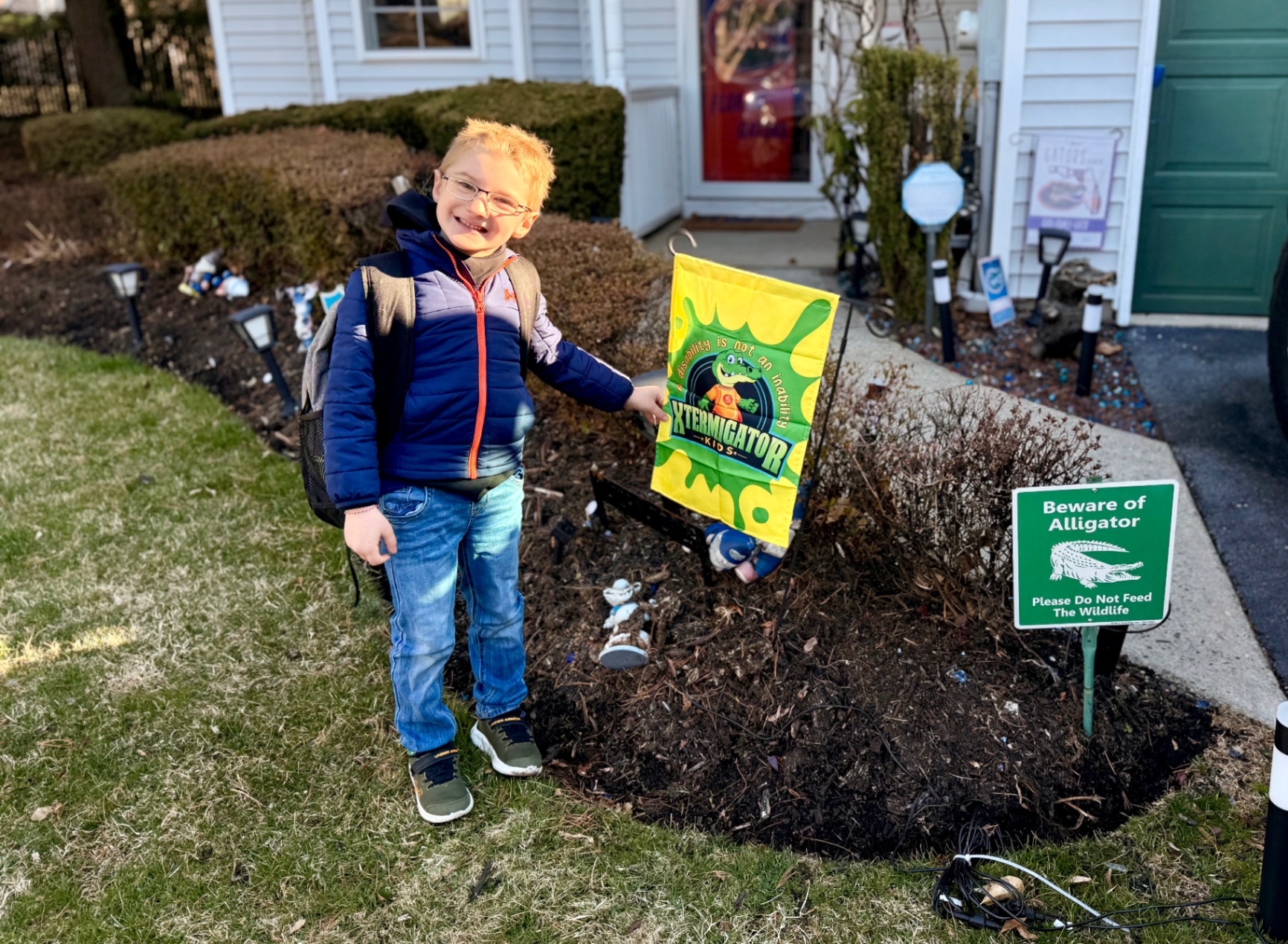
Images: XTERMIGATOR KIDS & families – celebrating every kind of learner in every kind of classroom.