
Picture this: It's Monday morning, and you're watching one of your students struggle to follow along during reading time while another sits quietly, clearly disengaged, and a third is fidgeting so much they can barely focus on the lesson. Sound familiar? If you've ever felt like traditional teaching methods just aren't reaching every child in your classroom, you're not alone: and more importantly, there's a solution.
Universal Design for Learning (UDL) offers a revolutionary approach that flips the script on how we think about education. Instead of asking "What's wrong with this student?" UDL asks "How can I design instruction so every student can succeed?" This framework recognizes a fundamental truth: just like fingerprints, no two brains learn exactly the same way.
What Exactly Is Universal Design for Learning?
Universal Design for Learning is a research-based framework that guides educators to create flexible learning experiences designed from the start to meet the needs of all students. Rather than retrofitting accommodations after a student struggles, UDL builds accessibility and choice directly into the curriculum design.
Dr. David Rose, one of UDL's founders, explains it this way: "UDL is about recognizing that the problem isn't with the learner: the problem is with the learning environment that fails to offer sufficient options to make learning accessible and effective for all learners."
The framework emerged from advances in neuroscience that revealed how differently individual brains process information. When researchers started mapping brain activity during learning, they discovered that students who seemed to have similar abilities actually showed vastly different patterns of neural engagement. This revelation led to a complete rethinking of what "one-size-fits-all" education actually accomplishes (spoiler alert: it doesn't work for most students).
The Three Pillars That Transform Learning
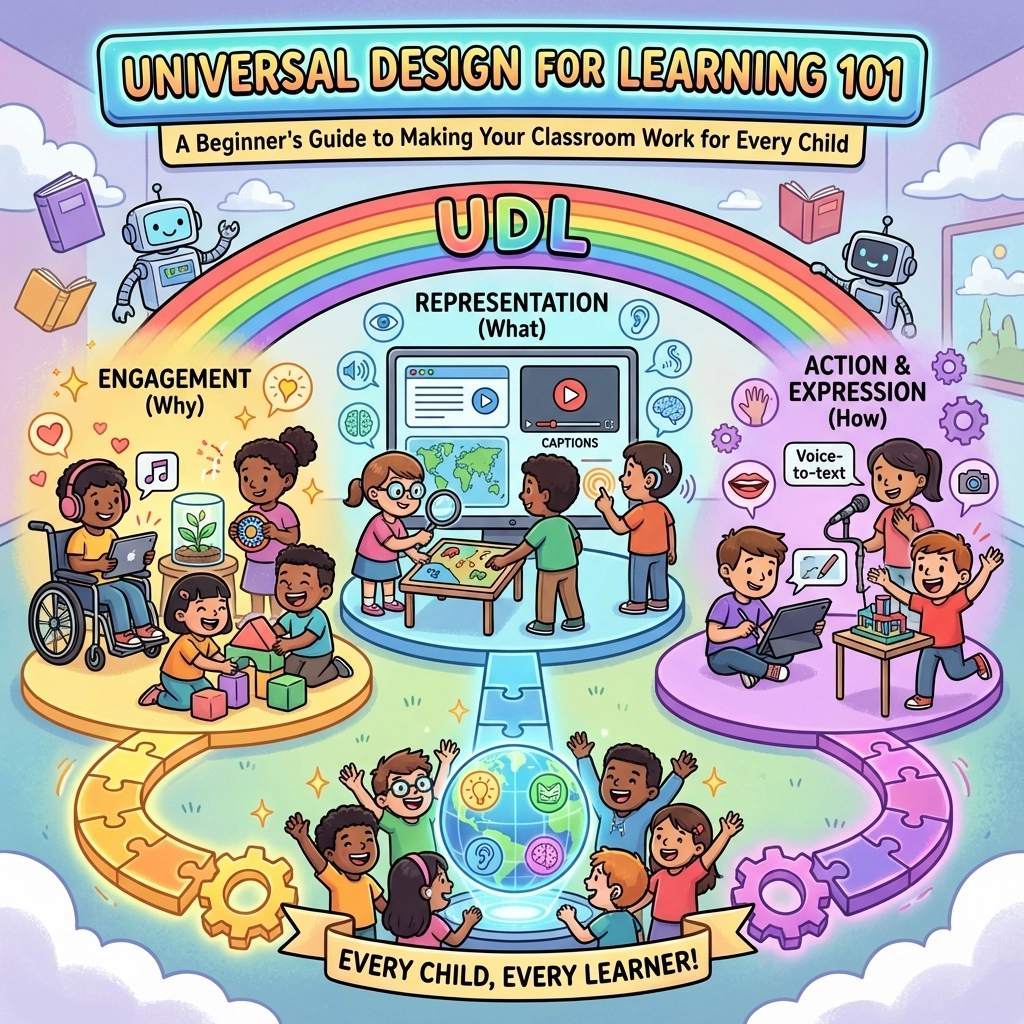
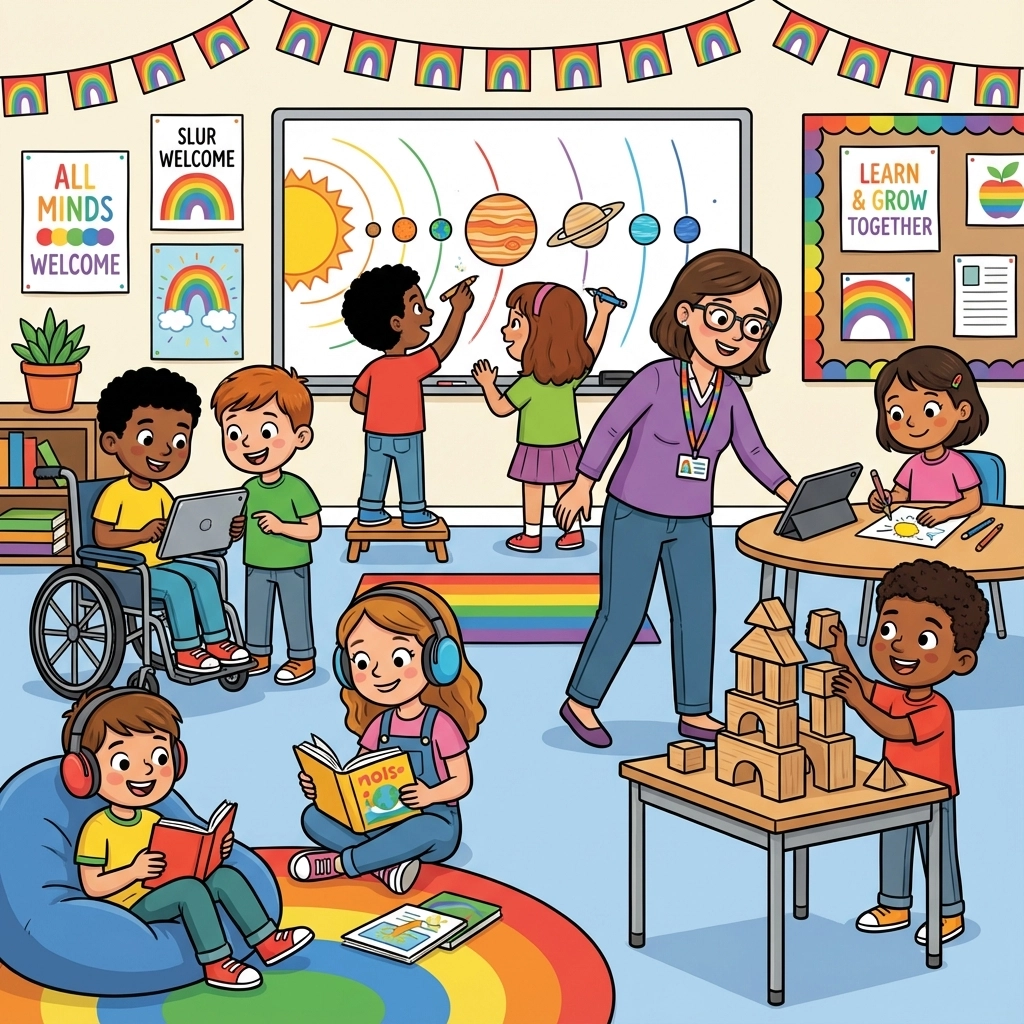
UDL stands on three interconnected principles that work together to create truly inclusive classrooms:
Principle 1: Multiple Means of Representation (The "What" of Learning)
This principle focuses on how you present information to students. Some children are visual learners who thrive with charts and diagrams, others need to hear information explained aloud, and still others learn best through hands-on manipulation of materials.
Sarah Martinez, a third-grade teacher in Texas, shares her experience: "I used to think giving a great lecture meant all my students were learning. Then I started offering the same content through videos, interactive demos, and even graphic novels. Suddenly, kids who had been 'struggling' were excelling: they just needed the information presented differently."
Practical representation strategies include:
- Providing text in multiple formats (audio, large print, digital)
- Using visual aids alongside verbal explanations
- Offering content in students' home languages when possible
- Breaking complex concepts into smaller, digestible chunks
Principle 2: Multiple Means of Engagement (The "Why" of Learning)
Engagement goes far deeper than just keeping students busy. This principle recognizes that what motivates one child might completely turn off another. Some students are driven by competition, others by collaboration. Some need quiet reflection time, while others think best through discussion.
Marcus Thompson, a middle school science teacher, discovered this firsthand: "I had this one student, Jordan, who seemed completely uninterested in our unit on ecosystems. Then I learned he was passionate about video games. When I connected our lesson to how game environments are designed with interconnected systems, suddenly he became our class expert on food webs and energy transfer."
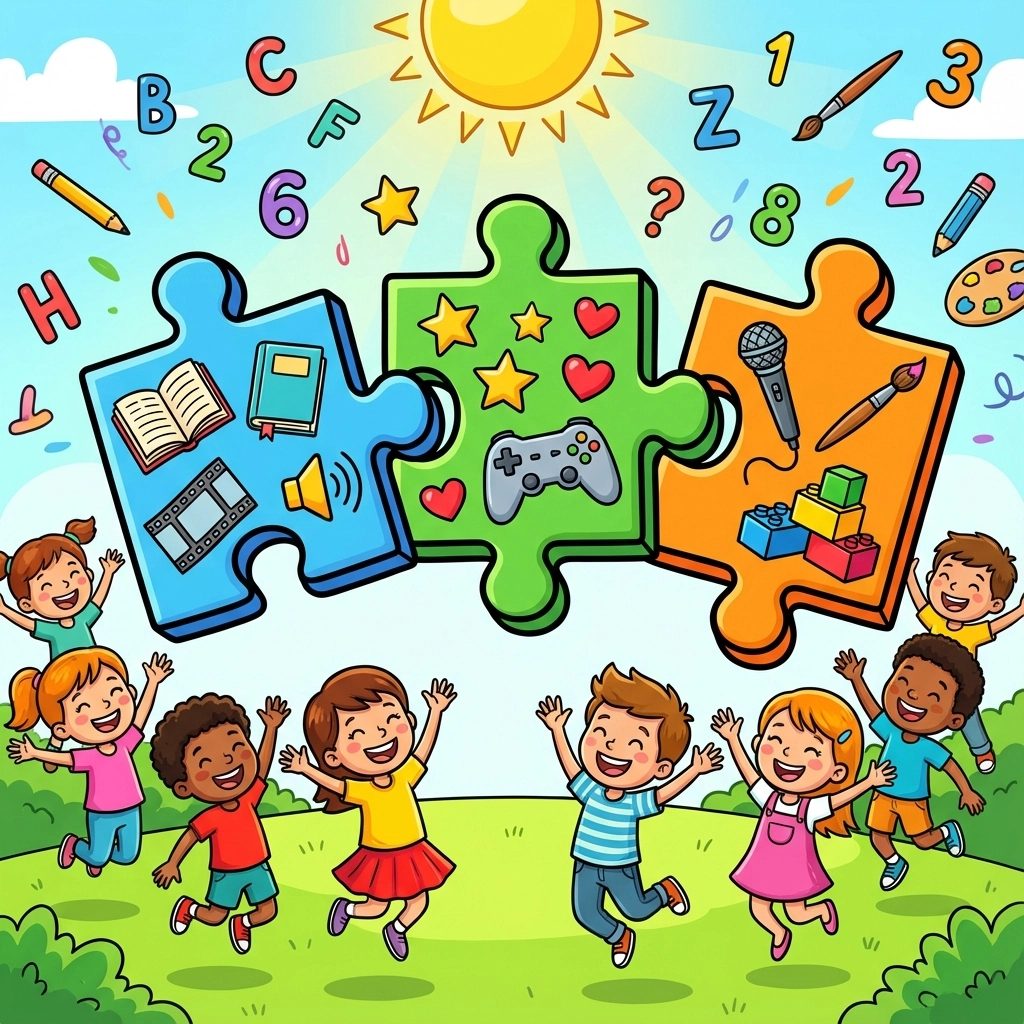
Principle 3: Multiple Means of Action and Expression (The "How" of Learning)
This principle acknowledges that students need various ways to demonstrate what they've learned. Traditional tests and essays work well for some students but can be barriers for others who have the knowledge but struggle with the format.
Lisa Chen, a high school history teacher, explains: "I used to grade everything through written essays. Now students can choose to create documentaries, design museum exhibits, write traditional papers, or even develop historical fiction stories. The quality of thinking I see now is incredible: students are showing me understanding I never knew they had."
Why Traditional Teaching Falls Short (And How UDL Fixes It)
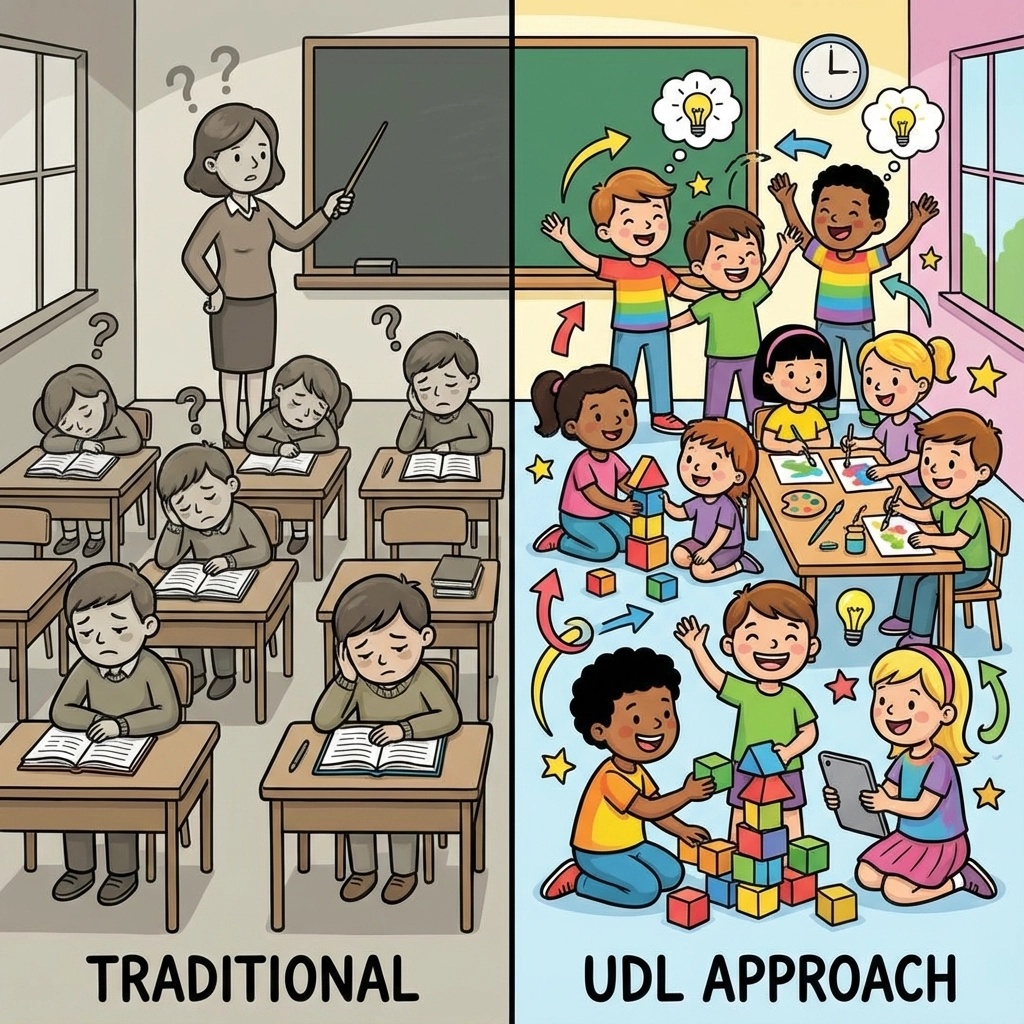
The traditional "sit still, listen quietly, take notes, and regurgitate on a test" model assumes all students learn the same way. In reality, this approach creates unnecessary barriers that prevent many capable students from succeeding.
Consider these statistics: Research shows that when UDL principles are implemented, student engagement increases by an average of 40%, and achievement gaps between students with and without disabilities decrease significantly. But perhaps most importantly, teachers report feeling more confident and effective in their instruction.
The key shift UDL promotes is viewing barriers to learning as problems with the learning environment's design, not with students themselves. As Dr. Katie Novak, a UDL expert, puts it: "When we design with the margins in mind, we create learning experiences that work better for everyone in the center too."
Real-World Implementation: Making UDL Work in Your Classroom
The beauty of UDL lies in its flexibility: you don't need to overhaul everything overnight. Start small and build gradually:
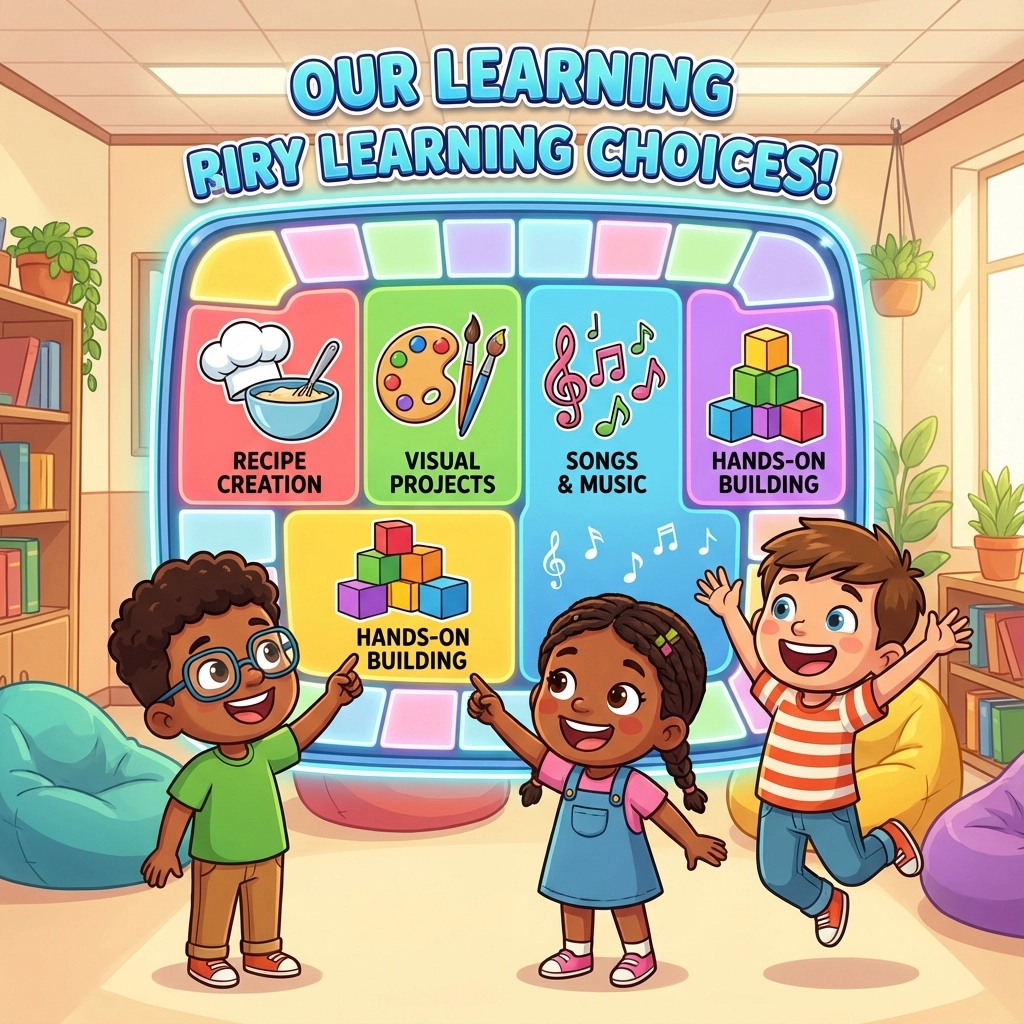
Begin with Choice Boards
Create simple choice boards that allow students to select how they'll engage with content or demonstrate learning. For a unit on fractions, you might offer options like:
- Create a recipe that uses fractions
- Design a visual fraction wall
- Write and perform a fraction song
- Build fraction models with manipulatives
Leverage Technology Thoughtfully
Digital tools can be game-changers for UDL implementation. Text-to-speech software helps students who struggle with reading access complex content. Video creation tools allow students who excel verbally but struggle with writing to demonstrate knowledge. Interactive simulations can make abstract concepts concrete for hands-on learners.
Integrate Formative Assessment Throughout
Instead of relying solely on end-of-unit tests, embed quick check-ins throughout instruction. Use digital polling tools, exit tickets, collaborative discussions, or visual representations to gauge understanding and adjust instruction accordingly.
Amanda Rodriguez, an elementary teacher in California, shares: "I started doing 'learning temperature checks' where students show me how they're feeling about the material using color-coded cards. Green means 'I've got this,' yellow means 'I'm getting there,' and red means 'I need help.' It's amazing how this simple system helps me adjust my teaching in real-time."
The Ripple Effects: Benefits Beyond Academic Achievement
When educators implement UDL principles consistently, they see improvements that extend far beyond test scores:
Students develop greater self-advocacy skills because they learn to identify their own learning preferences and communicate their needs effectively.
Classroom communities become more inclusive as students see their differences celebrated rather than remediated.
Teacher stress decreases because instruction becomes more effective and behavior issues often diminish when students can engage meaningfully with content.
Families feel more connected to their children's education when they see their child's unique strengths being recognized and developed.
Overcoming Common UDL Implementation Challenges
Let's be honest: change is hard, even when we know it's beneficial. Here are the most common concerns teachers share about UDL implementation, along with practical solutions:
"This seems like way more work": Start with one principle at a time. Choose your most challenging lesson and ask: How could I present this information differently? What choices could I offer students? How might students show me they understand beyond a traditional test?
"My administration won't support this": Frame UDL in terms administrators understand: improved achievement, increased engagement, and better behavior. Share specific student success stories and data showing positive outcomes.
"I don't have the resources": UDL doesn't require expensive technology or materials. Some of the most effective UDL strategies are simply offering choices in seating, allowing collaborative work, or providing content through multiple formats you already have access to.
Building Your UDL Toolkit: Essential Strategies for Every Educator
As you begin implementing UDL, focus on building a repertoire of flexible strategies:
Create learning menus that offer different "appetizer" activities for introducing concepts, various "main courses" for exploring content deeply, and multiple "dessert" options for demonstrating understanding.
Develop flexible grouping strategies that allow students to work alone, in pairs, or in larger groups depending on the task and their preferences.
Establish clear learning goals while offering multiple pathways to reach them. Students should always understand what they're working toward, even when their routes differ.
Design authentic assessments that mirror real-world applications of knowledge rather than relying solely on artificial testing situations.
Looking Forward: The Future of Inclusive Education
The momentum behind UDL continues growing as more educators, administrators, and policymakers recognize its potential to transform learning for all students. When we design instruction that works for students with disabilities, students learning English as a second language, students who are gifted and talented, and students who simply learn differently, we create classroom environments where every child can thrive.
Just like the inclusive, nurturing environment of Friendly Ferns Swamp where every character's unique abilities are celebrated and supported, UDL classrooms become spaces where differences aren't just tolerated: they're valued as essential components of a rich learning community.
As you embark on your UDL journey, remember that perfection isn't the goal: progress is. Every choice you offer, every alternative format you provide, and every barrier you remove brings you closer to creating the kind of classroom where every child can discover their potential and develop into confident, capable learners.
The question isn't whether you can afford to implement UDL: it's whether you can afford not to. Your students are counting on you to see their unique brilliance and design learning experiences that help them shine.