
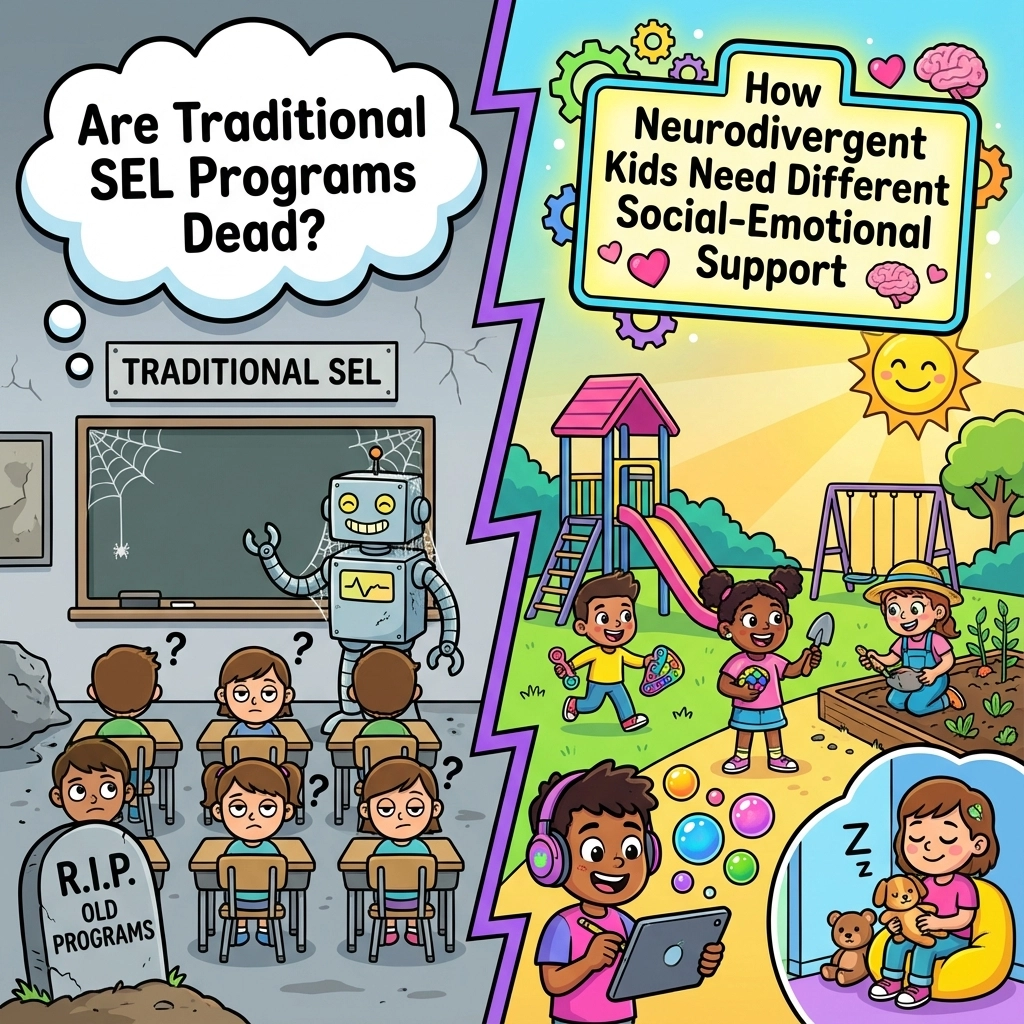
Picture this: It's Monday morning, and seven-year-old Marcus sits in the circle for his school's social-emotional learning (SEL) time. The teacher asks everyone to "check in with their feelings," holding up colorful emotion cards. While his neurotypical classmates easily point to "happy" or "excited," Marcus stares at the cards, overwhelmed. His ADHD brain is bouncing between twelve different emotions simultaneously, none of which seem to match the simplified faces on those cards.
This scene plays out in classrooms across America every day, highlighting a critical gap in how we approach social-emotional learning for neurodivergent children. While traditional SEL programs continue to expand: with 83% of principals now using some form of SEL curriculum: many educators and parents are questioning whether these one-size-fits-all approaches truly serve our most vulnerable learners.
The Current State of SEL: Growing But Not Evolving
Traditional social-emotional learning programs have become educational mainstays, and for good reason. Research consistently shows that well-implemented SEL initiatives improve academic performance, reduce behavioral issues, and enhance overall school climate. Dr. Sarah Chen, an educational psychologist who has studied SEL implementation for over a decade, explains: "The data is clear that SEL works for the majority of students. We see improved test scores, better peer relationships, and reduced anxiety across diverse populations."
However, the emphasis on "majority of students" reveals a troubling blind spot. Current SEL frameworks typically focus on five core competencies: self-awareness, self-management, social awareness, relationship skills, and responsible decision-making. These competencies, while valuable, are often taught through neurotypical lenses that don't account for the unique ways neurodivergent brains process emotions and social information.
According to recent CDC data, approximately 17% of children have a developmental disability, with conditions like ADHD, autism spectrum disorder, and learning differences becoming increasingly recognized in mainstream classrooms.
Why Neurodivergent Children Need Different Approaches
The challenge isn't that neurodivergent children can't develop social-emotional skills: it's that they often need fundamentally different pathways to get there. Consider the experience of Maria Rodriguez, whose eight-year-old daughter Sofia has autism: "The school kept telling Sofia to 'use her words' when she was overwhelmed, but Sofia processes emotions visually and through movement. When they finally let her draw her feelings and gave her a quiet space to regulate, everything changed."
Traditional SEL programs often rely heavily on verbal processing, group discussions, and abstract emotional concepts that can feel foreign to neurodivergent learners. These children might struggle with:
- Executive function challenges that make it difficult to identify and name emotions in real-time
- Sensory processing differences that affect how they experience and express feelings
- Communication variations that don't align with typical discussion-based SEL activities
- Social interaction patterns that differ from neurotypical peer dynamics
Dr. James Mitchell, a pediatric neuropsychologist specializing in neurodevelopmental differences, notes: "We're essentially asking neurodivergent kids to fit into emotional frameworks designed for brains that work differently than theirs. It's like asking someone who thinks in pictures to write a novel: not impossible, but requiring entirely different supports and strategies."
The Innovation Imperative: What Modern SEL Should Look Like
Forward-thinking educators and therapists are pioneering approaches that honor neurodiversity while building genuine social-emotional competence. These evolved SEL methods share several key characteristics:
Multi-Sensory Emotional Learning
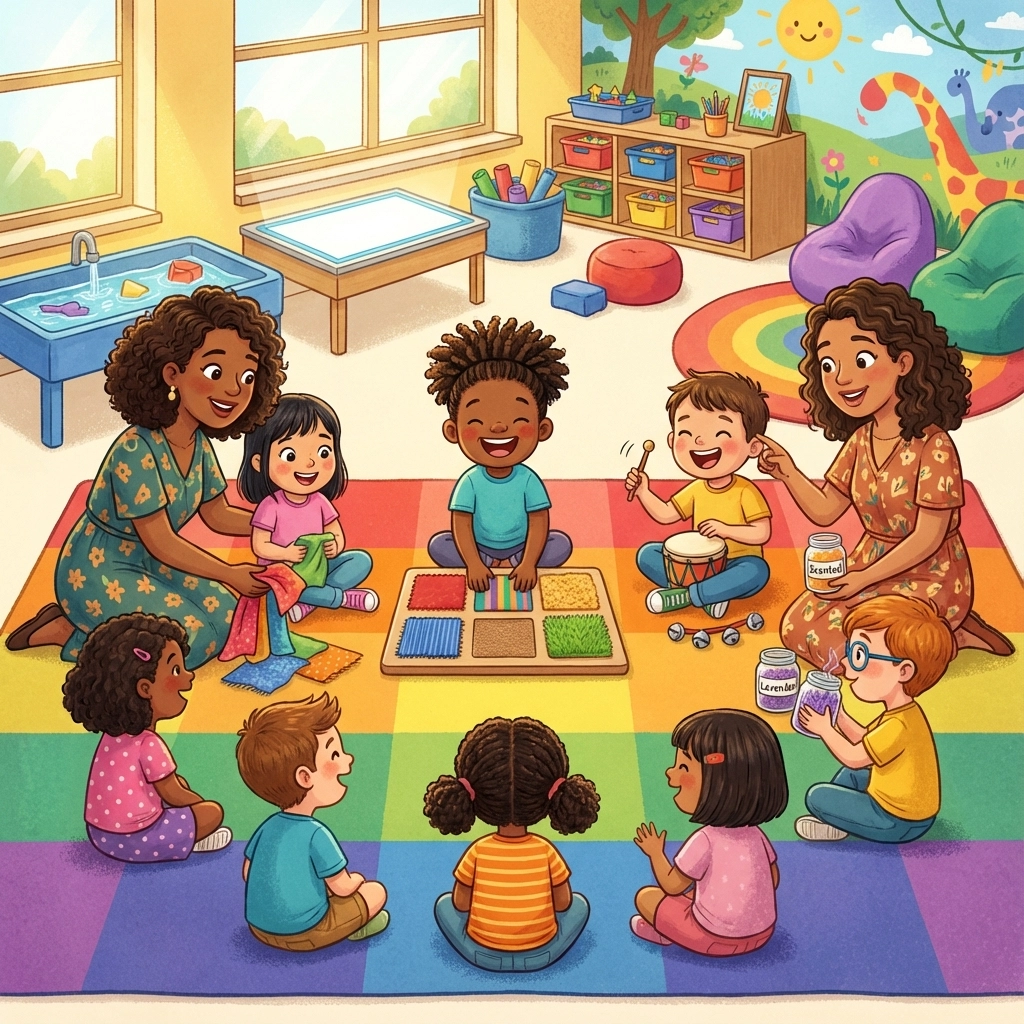
Rather than relying solely on verbal identification of emotions, innovative SEL programs incorporate tactile, visual, and kinesthetic elements. Children might use texture boards to describe feelings, create emotion sculptures with clay, or develop personal movement patterns that represent different emotional states.
Kelly Thompson, a special education teacher in Oregon, describes her classroom transformation: "We replaced the traditional emotion wheel with 'feeling stations' around our room. One station has different fabrics for kids to touch when they're identifying emotions, another has musical instruments, and we even have a corner with different scents. Suddenly, kids who never engaged with emotions were making connections."
Individualized Regulation Strategies
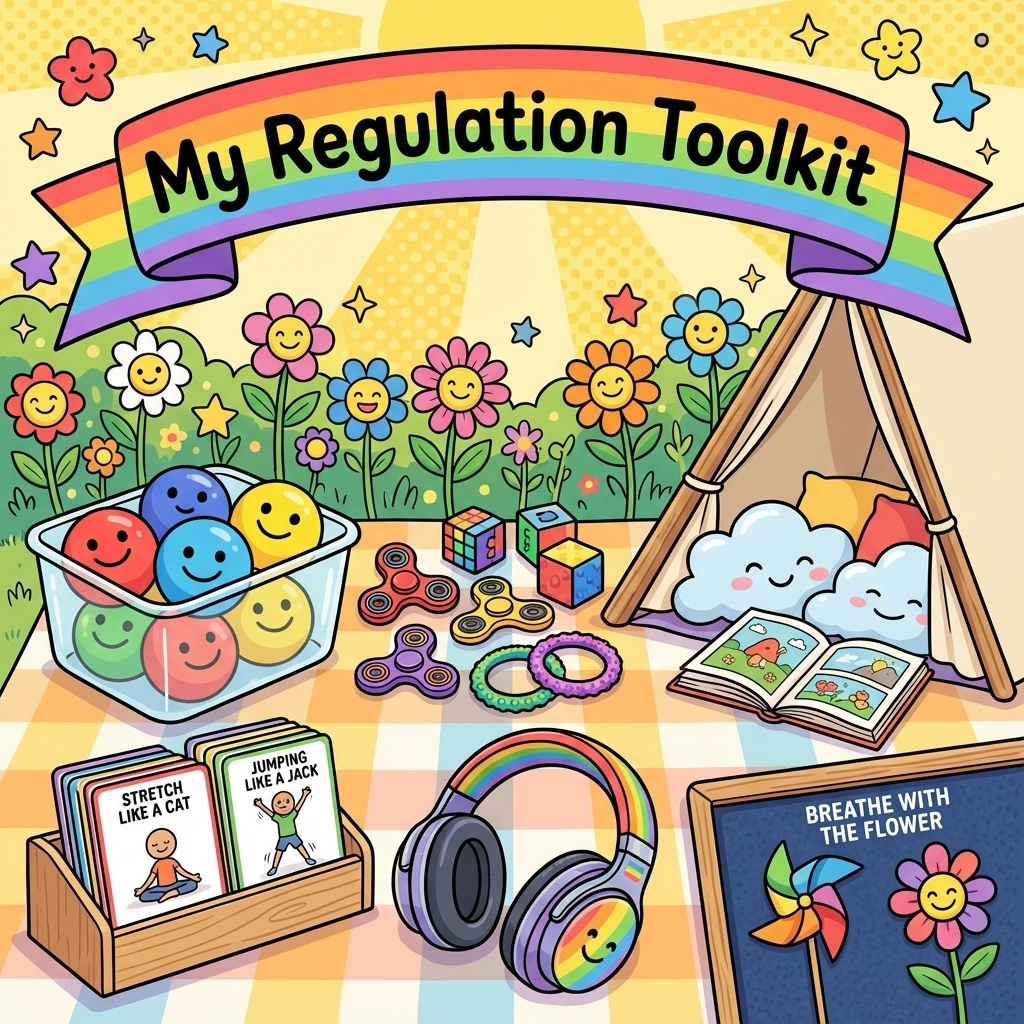
Modern neurodiversity-informed SEL recognizes that self-regulation looks different for every child. While one student might calm down through deep breathing exercises, another might need to squeeze a stress ball, rock gently, or even take a brief walk.
The key shift is moving from prescriptive regulation techniques to collaborative discovery. As occupational therapist Lisa Park explains: "Instead of teaching all kids the same three calming strategies, we help each child discover their unique regulation toolkit. For neurodivergent kids especially, this personalization is essential."
Story-Based Social Learning
Many neurodivergent children excel at understanding social concepts through narrative rather than abstract discussion. Programs incorporating character-driven stories: like those found in specialized educational resources: help children see social-emotional skills in action rather than just talking about them.
This approach aligns perfectly with research showing that neurodivergent learners often benefit from concrete, story-based examples rather than abstract social rules.

Characters from inclusive educational stories demonstrate diverse ways of belonging and emotional expression
Building Inclusive SEL: Practical Implementation Strategies
Creating truly inclusive SEL programming requires systematic changes at multiple levels:
Teacher Training and Mindset Shifts
Educators need specific training in neurodiversity awareness and adaptive SEL techniques. This goes beyond basic special education knowledge to include understanding sensory processing, executive function variations, and communication differences.
Amanda Foster, a veteran teacher who completed neurodiversity-informed SEL training, shares: "I realized I had been unconsciously penalizing kids whose emotional expressions didn't match what I expected. Learning about stimming as emotional regulation, or understanding that some kids need movement to process feelings, completely changed my classroom management."
Environmental Modifications
Inclusive SEL requires physical spaces that accommodate different sensory needs and learning styles. This might include:
- Quiet regulation spaces for overwhelmed students
- Fidget tools and movement options during group activities
- Visual supports and emotion identification aids
- Flexible seating arrangements that reduce anxiety
Family Partnership and Cultural Responsiveness
Effective SEL programming must honor the cultural and family contexts that shape each child's social-emotional development. For neurodivergent children, this partnership becomes even more critical as families often develop unique communication patterns and regulation strategies.
Parent advocate David Kim explains: "Our son's autism means he expresses joy through hand-flapping, which his previous school tried to suppress. When we found a program that celebrated his authentic emotional expression while still teaching him to recognize others' cues, he flourished."
The Technology Integration Opportunity
Modern SEL programming can leverage technology to create more accessible and engaging experiences for neurodivergent learners. Apps that allow children to track emotions through images rather than words, virtual reality programs that provide safe spaces to practice social interactions, and AI-powered tools that adapt to individual learning patterns all show promise.
However, technology should complement, not replace, human connection and individualized support. As assistive technology specialist Dr. Rachel Green notes: "The best tech-enhanced SEL programs use technology to remove barriers to authentic human connection, not to replace it."
Moving Beyond Compliance to Genuine Growth
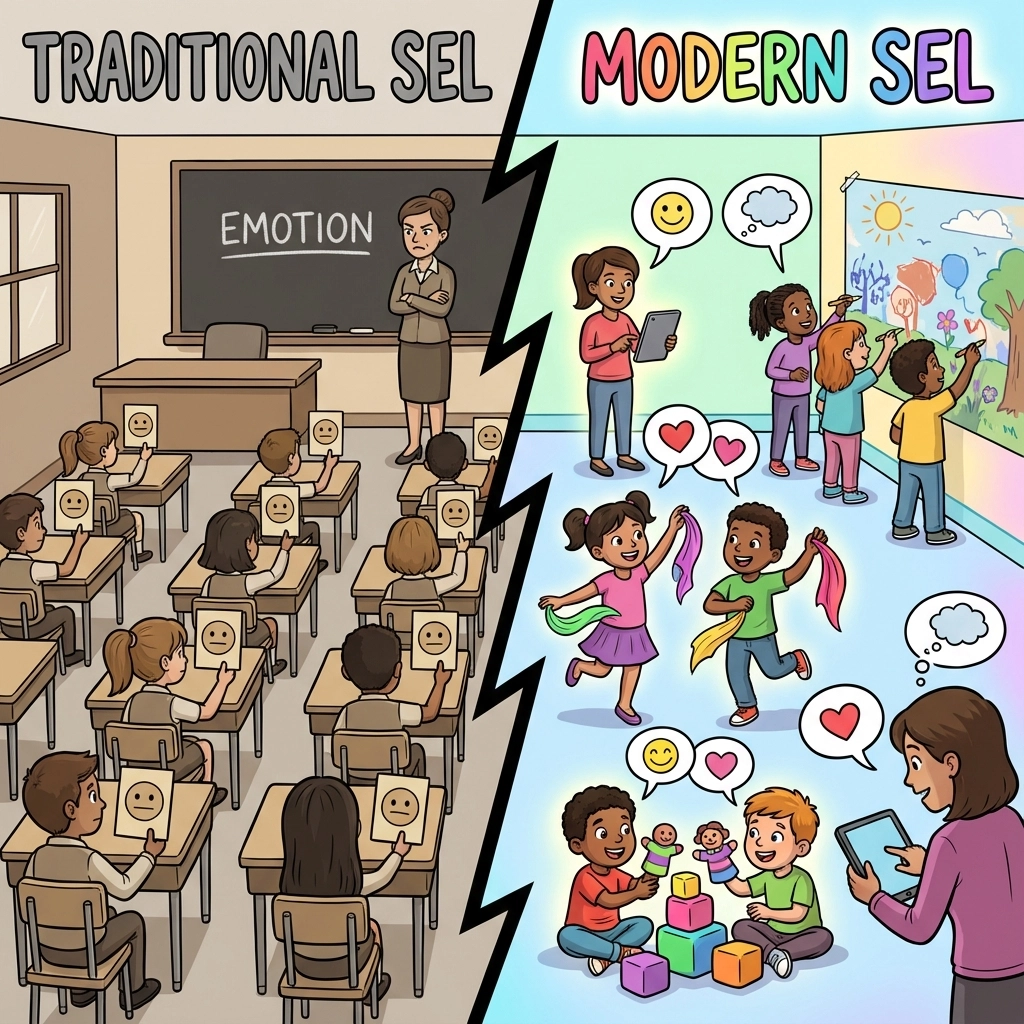
Perhaps the most significant shift needed in SEL programming is moving from compliance-based goals to growth-oriented objectives. Traditional programs often measure success through behavioral conformity: did the child sit quietly, follow the discussion format, demonstrate expected emotional responses?
Inclusive SEL instead asks: Is the child developing genuine self-awareness? Are they building authentic relationships? Do they have effective tools for regulation and communication that work with their neurological makeup rather than against it?
This shift requires new assessment methods, different success metrics, and a fundamental reimagining of what social-emotional competence looks like across diverse learners.
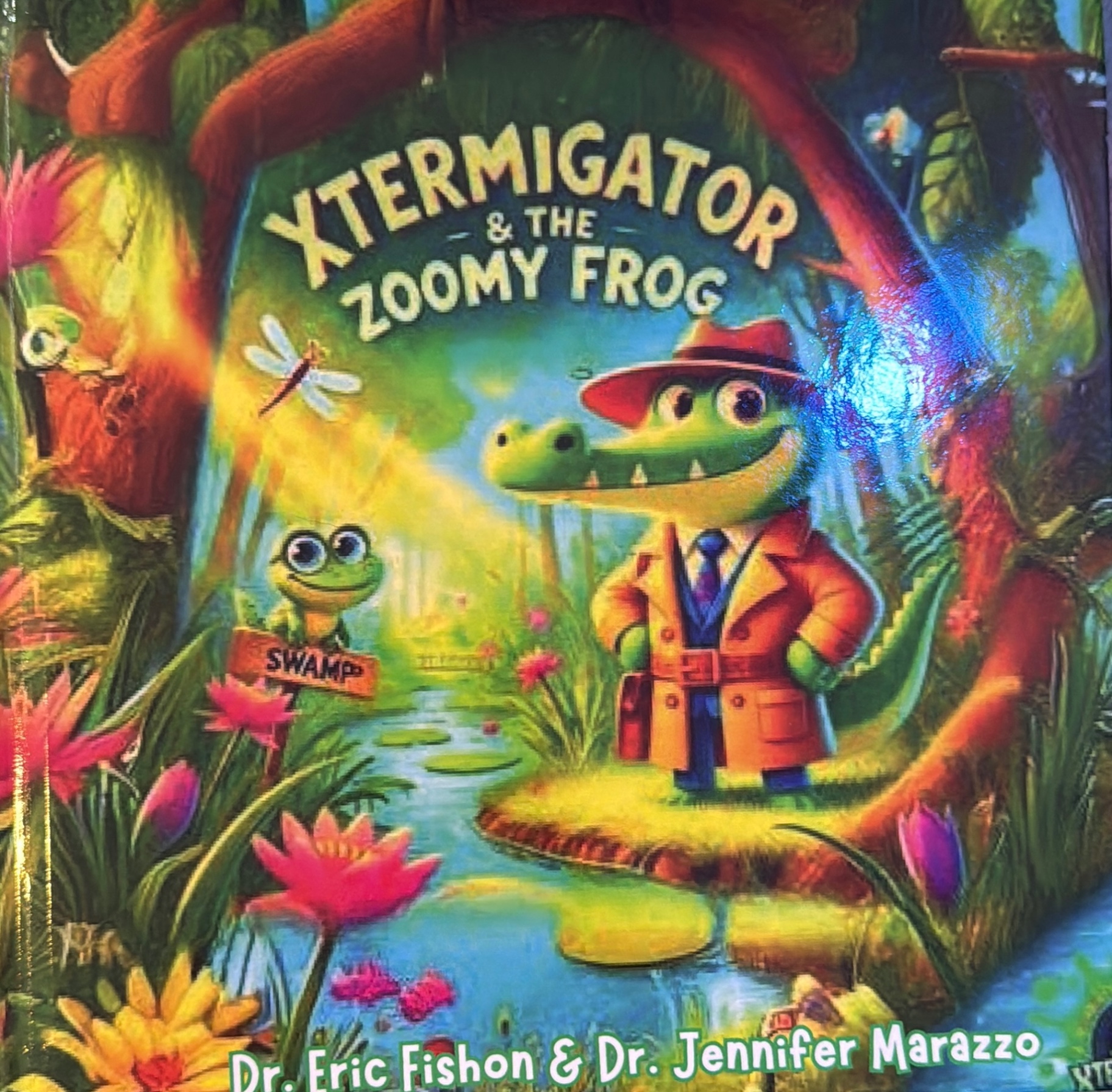
Educational stories that feature characters with diverse abilities help children understand that different doesn't mean less capable
The Future of Inclusive Social-Emotional Learning
As awareness of neurodiversity continues to grow, SEL programming will likely evolve toward more personalized, flexible, and scientifically-informed approaches. The goal isn't to abandon the proven benefits of social-emotional learning, but to ensure those benefits reach every child.
Future SEL programs might include:
- AI-powered emotional recognition tools that account for different expression patterns
- Peer mentorship programs pairing neurodivergent and neurotypical students
- Family-designed regulation strategies integrated into school programming
- Community partnerships that extend SEL learning beyond classroom walls
The question isn't whether traditional SEL programs are dead: it's whether they're willing to evolve. Schools and educators who embrace neurodiversity-informed practices aren't just serving their neurodivergent students better; they're creating richer, more authentic social-emotional learning experiences for all children.
As we move forward, the most successful SEL programs will be those that recognize social-emotional competence as a diverse spectrum of skills and expressions, not a single pathway to emotional wellness. In this evolution, every child: regardless of how their brain processes the world: can develop the social-emotional tools they need to thrive.
For educators and families interested in exploring neurodiversity-informed SEL resources and community support, visit XTERMIGATOR KIDS to learn more about inclusive educational approaches that celebrate different abilities.