
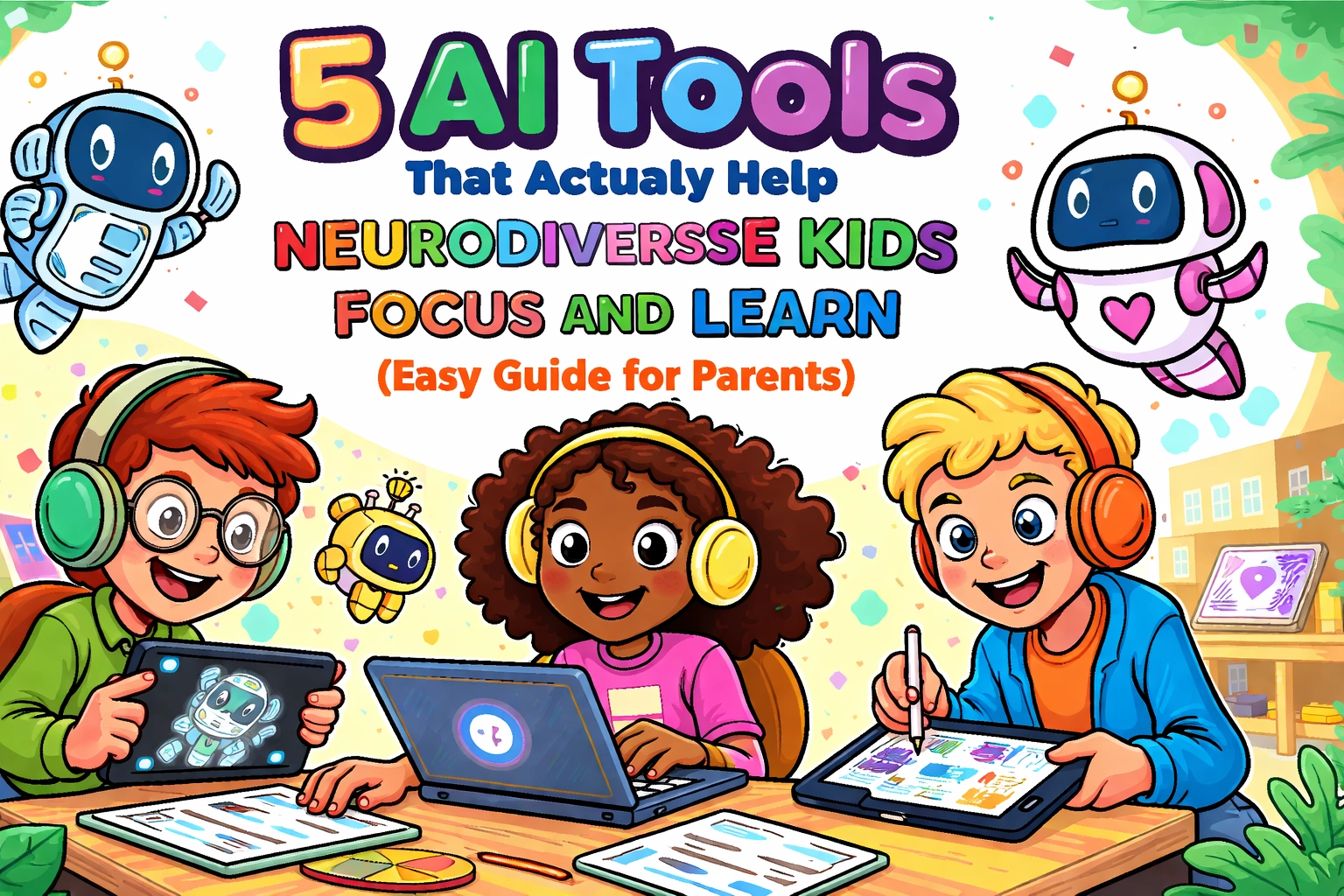
You've tried the timers. You've bought the fidget toys. You've reorganized the homework station three times this month.
And still, your neurodiverse child sits in front of a blank worksheet, overwhelmed before they've even started. The frustration builds, not just for them, but for you too. Because you know they're brilliant. You see it every single day. But traditional learning methods weren't built with their beautiful, unique brain in mind.
Here's the good news: artificial intelligence is finally catching up to what parents of neurodiverse kids have known all along. Our children don't need to be "fixed." They need tools that meet them where they are.
These five AI tools aren't gimmicks or glorified babysitters. They're practical, parent-tested resources designed to help kids with ADHD, autism, dyslexia, and other learning differences actually thrive, not just survive, in their educational journey.
At XTERMIGATOR KIDS, we believe a disability is not an inability. These tools prove it.
When the Blank Page Feels Like a Mountain: Litero.ai
Ask any child with ADHD or dyslexia about their least favorite school task, and writing assignments will likely top the list. It's not that they don't have ideas, they have too many. The problem is getting those swirling thoughts organized and onto paper without the whole thing feeling like climbing Everest in flip-flops.
Litero.ai tackles this exact pain point by breaking down writing tasks into small, manageable steps. Instead of staring at an empty document wondering where to begin, your child receives gentle prompts that guide them through the process piece by piece.
"The blank page is the enemy for ADHD learners," explains one special education consultant. "When you remove that initial overwhelm, you unlock creativity they didn't know they had."
The tool also includes text-to-speech functionality (so kids can hear what they've written), adaptive rewriting suggestions, and phonological support for reading and editing. For children who struggle with the mechanical aspects of writing, Litero even automates routine tasks like reference formatting, because why spend precious mental energy on citations when you could be telling your story?
Best for: Children with ADHD, dyslexia, or anyone who freezes up during writing assignments.
Learning at Their Own Speed: CognitiveBotics
Every parent of a neurodiverse child knows the sting of watching their kid fall behind because the classroom pace doesn't match their learning style. CognitiveBotics flips that script entirely.
This platform was designed with input from actual therapists to help children with autism, ADHD, and Down Syndrome learn at their own pace through personalized plans. We're not talking about passive screen time here, the activities are interactive, engaging, and specifically built to develop focus, independence, literacy, and social skills.
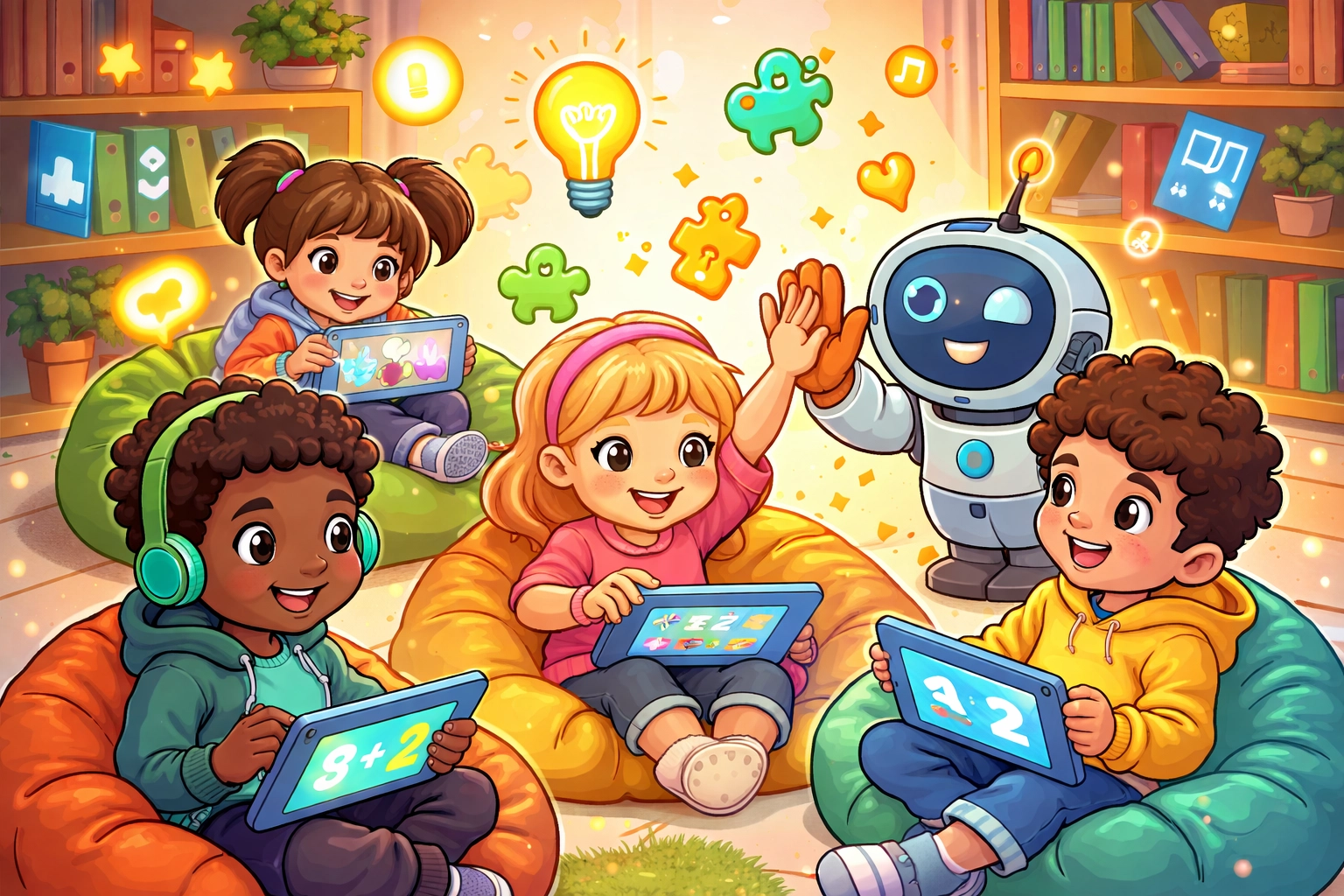
But here's what really sets CognitiveBotics apart: parent involvement.
The platform provides training videos for caregivers and daily behavior tracking, so you're not left guessing whether it's working. You can see the progress in real-time and adjust the approach based on what's actually resonating with your child.
One mother of an autistic seven-year-old described the transformation this way: "For the first time, I felt like I had a roadmap instead of just hoping we were going in the right direction."
Best for: Families seeking structured, therapist-designed learning with built-in progress tracking.
Transforming Any Lesson in 15 Minutes: SchoolAI
Not every teacher has the time (or training) to create differentiated lessons for every learning style in the classroom. SchoolAI fills that gap by transforming standard lessons into multi-sensory experiences in just 15 minutes.
Think about what that means for your child: text-to-speech for dyslexic learners who process information better through listening. Speech-to-text for kids with motor difficulties who think faster than they can write. Automatic captioning. Visual schedules. Task breakdowns that scaffold executive function challenges.
This isn't about dumbing down content. It's about presenting the same material through multiple doorways, so every child can find the one that opens for them.
"My son learns best when he can see and hear information at the same time," shares one parent. "SchoolAI let his teacher create materials that finally matched how his brain works. His confidence went through the roof."
The executive-function scaffolding deserves special attention here. For kids who struggle with planning, organization, and task initiation (hello, ADHD), having visual schedules and task breakdowns built directly into lessons removes invisible barriers that often go unaddressed.
Best for: Collaborating with teachers to create classroom accommodations, or supplementing homework with accessible formats.

Different is beautiful. Together, we are unstoppable: and these tools help prove that every day.
When Words Need Pictures: Ella
Some children simply think in images. Abstract concepts that seem straightforward to adults (sharing, waiting, emotions) can feel impossibly vague without visual anchors. Ella generates personalized visual supports tailored to your individual child's needs.
This might look like custom social stories for navigating tricky situations, visual schedules for morning routines, or illustrated explanations of concepts your child is learning in school. The AI creates materials based on what your child needs: not generic one-size-fits-all resources that miss the mark.
For parents who've spent hours searching Pinterest for the "right" visual support only to find nothing quite fits, Ella is a game-changer.
The emotional transformation moments here are profound. A child who previously melted down during transitions might suddenly navigate them with confidence because they can see what's coming next. A kid who struggled to understand friendship dynamics might finally "get it" through a personalized visual story.
Best for: Visual learners, children who benefit from social stories, and anyone who needs concrete representations of abstract concepts.
Reading Without the Struggle: Speechify
The research on this one speaks for itself: studies show dyslexic students using Speechify demonstrated mean gains of +15.20 points in reading achievement.
Speechify is a text-to-speech tool that reads any text aloud: books, articles, homework assignments, even scanned documents. But it goes beyond basic functionality by offering adjustable reading speeds, multiple voice options, and highlighting that follows along with the audio.

For a dyslexic child, this means homework no longer takes three times as long as their peers. It means accessing grade-level content without the exhausting decoding struggle. It means finally enjoying a book instead of dreading it.
"My daughter used to say she hated reading," one parent shared. "Now she listens to books every night before bed. Same content, completely different experience."
Best for: Dyslexic learners, auditory processors, or any child who benefits from hearing text read aloud.
Start Small, Pay Attention, Adjust
Here's the most important piece of advice when introducing any of these tools: start with just one.
It's tempting to download everything, create accounts on every platform, and overhaul your child's entire learning experience overnight. Resist that urge.
Pick the tool that addresses your child's most significant challenge right now. Give it a real trial: at least a few weeks. Gather feedback from your child (their input matters!). Watch what works and what doesn't.
Then adjust.
Every neurodiverse brain is different. What transforms learning for one child might fall flat for another. The goal isn't finding a magic solution: it's building a personalized toolkit that grows with your child.
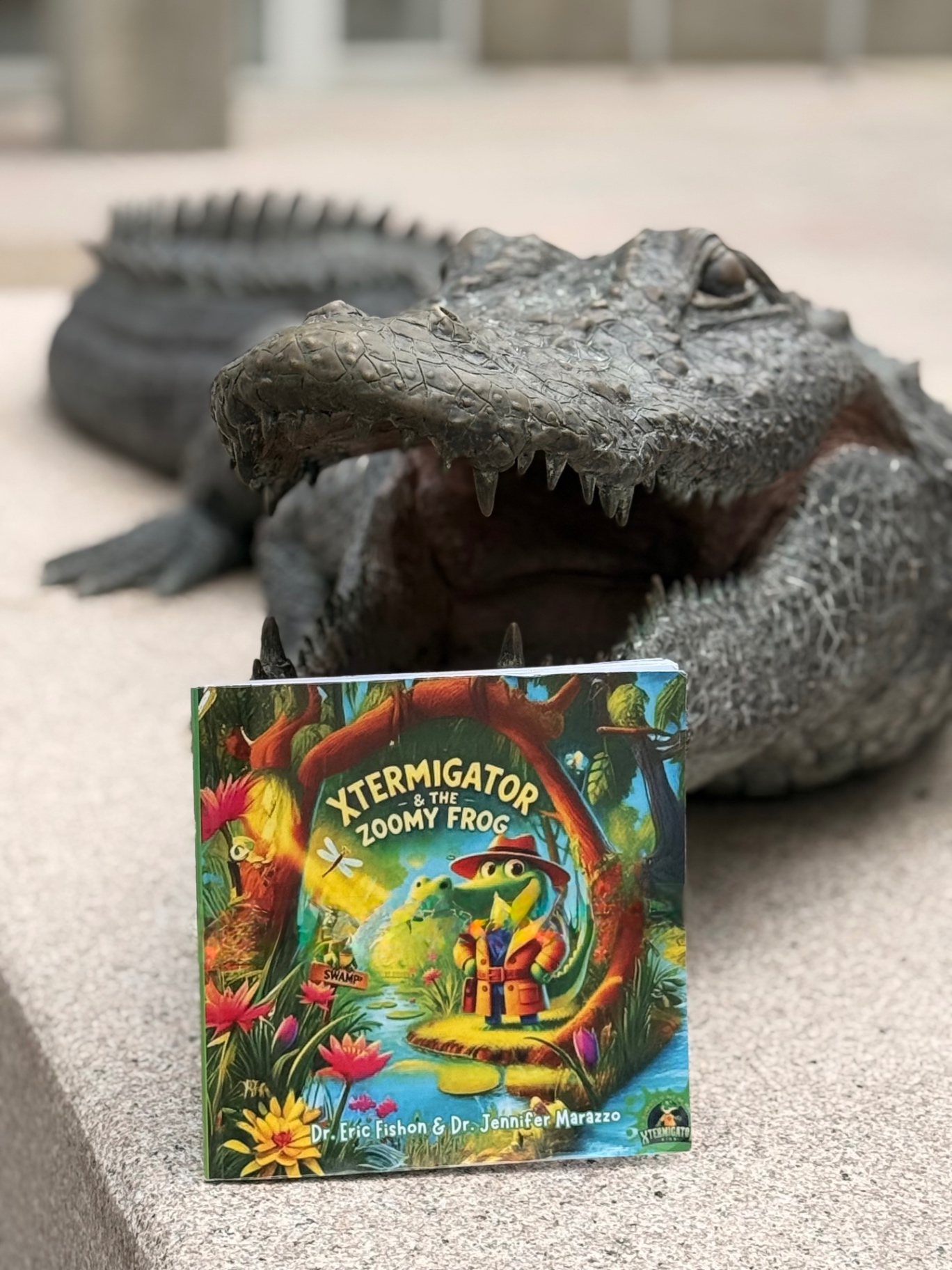
Just like the characters in our Friendly Ferns Swamp stories, every child has unique strengths waiting to be discovered.
Looking Ahead: What These Tools Mean for Our Kids' Futures
We're living in a moment where technology is finally being designed with neurodiverse learners, not as an afterthought. These five tools represent just the beginning.
Imagine classrooms where differentiation happens automatically. Imagine homework that adapts in real-time based on how your child is processing information. Imagine a world where "learning disability" becomes "learning difference": and the tools exist to honor every single one.
That future is closer than you think.
In the meantime, you don't have to wait for schools to catch up. These resources are available now, and they're changing lives one family at a time.
Your child's brilliant, unique brain deserves tools that work with it, not against it.
Ready to explore more resources for supporting neurodiverse kids? Visit XTERMIGATOR KIDS to discover stories, community, and education that celebrate every ability.