
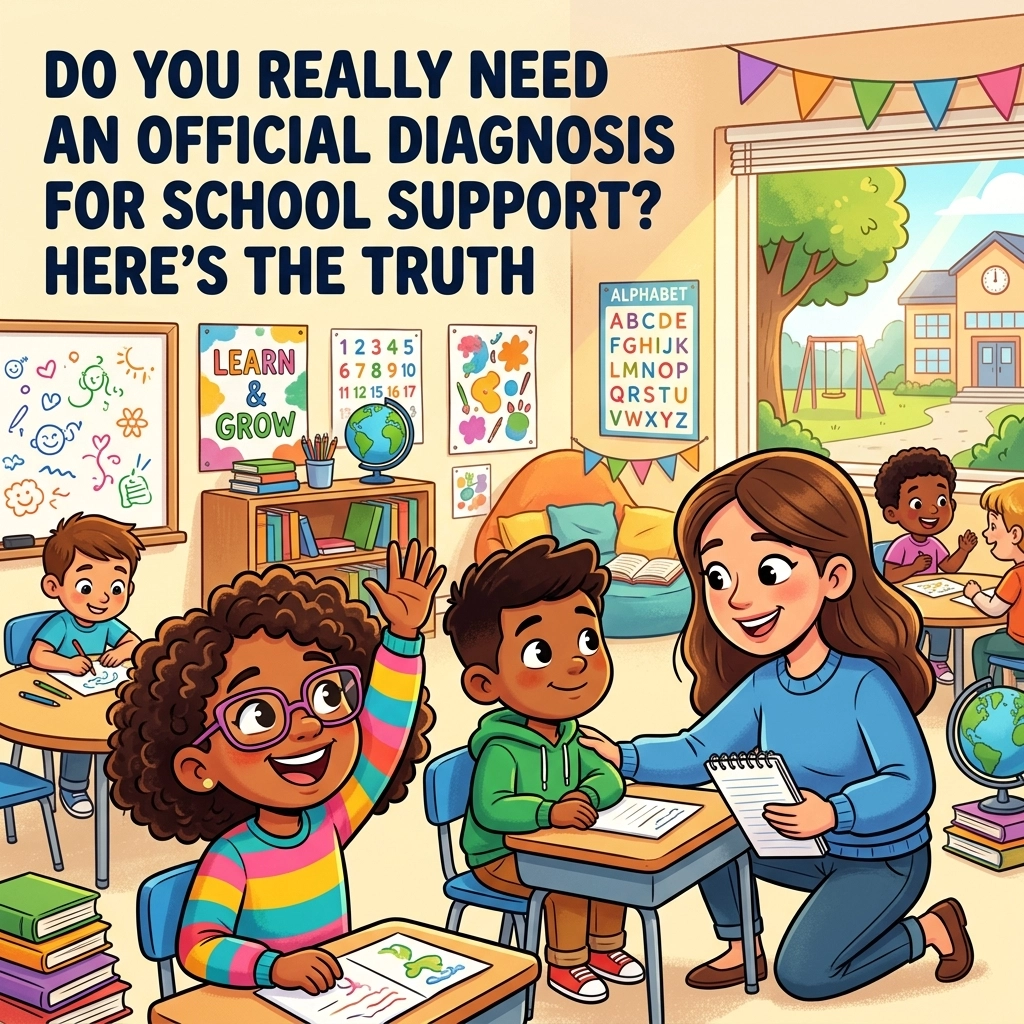
The waiting room is silent, save for the rhythmic ticking of a wall clock and the soft rustle of a parent’s nervous hands gripping a folder full of school reports. For many families, this is the "Diagnosis Purgatory." You know your child is struggling. You see the meltdowns after school, the tear-stained homework pages, and the growing sense of "I’m not good at this" reflecting in their eyes. Yet, the common refrain from school administrators often sounds like a locked door: "We can’t provide formal accommodations until we have a medical diagnosis on file."
This gatekeeping creates a paralyzing bottleneck. With specialists booked out for six to twelve months, parents feel like they are watching their child drift further away from their peers while they wait for a piece of paper. But here is the truth that the Friendly Ferns Swamp teaches us: a child’s need for support is not a clinical "maybe": it is a present reality that demands courage and kindness today, not next year.
The Myth of the "Magic Paper": Understanding Medical vs. Educational Needs
There is a widespread misconception that a medical diagnosis (a clinical identification made by a doctor or psychologist) is the golden ticket required to unlock school support. While a diagnosis can certainly clarify a child’s profile, it is not the legal prerequisite many believe it to be.
"We often see parents who are told to 'wait and see' until a formal ADHD or Autism diagnosis arrives," says Sarah Jenkins, a veteran educational advocate. "But the law: specifically the Individuals with Disabilities Education Act (IDEA): focuses on the educational impact. If a child is struggling to access their education, the school has a 'Child Find' mandate (a legal requirement for schools to identify, locate, and evaluate all children with disabilities) to step in, regardless of whether a private doctor has signed off on a specific label."
In the Friendly Ferns Swamp, we don't wait for a map to help a friend who is stuck in the mud. We extend a branch immediately. Similarly, school support should be a response to a child’s functional challenges, not just their medical coding.
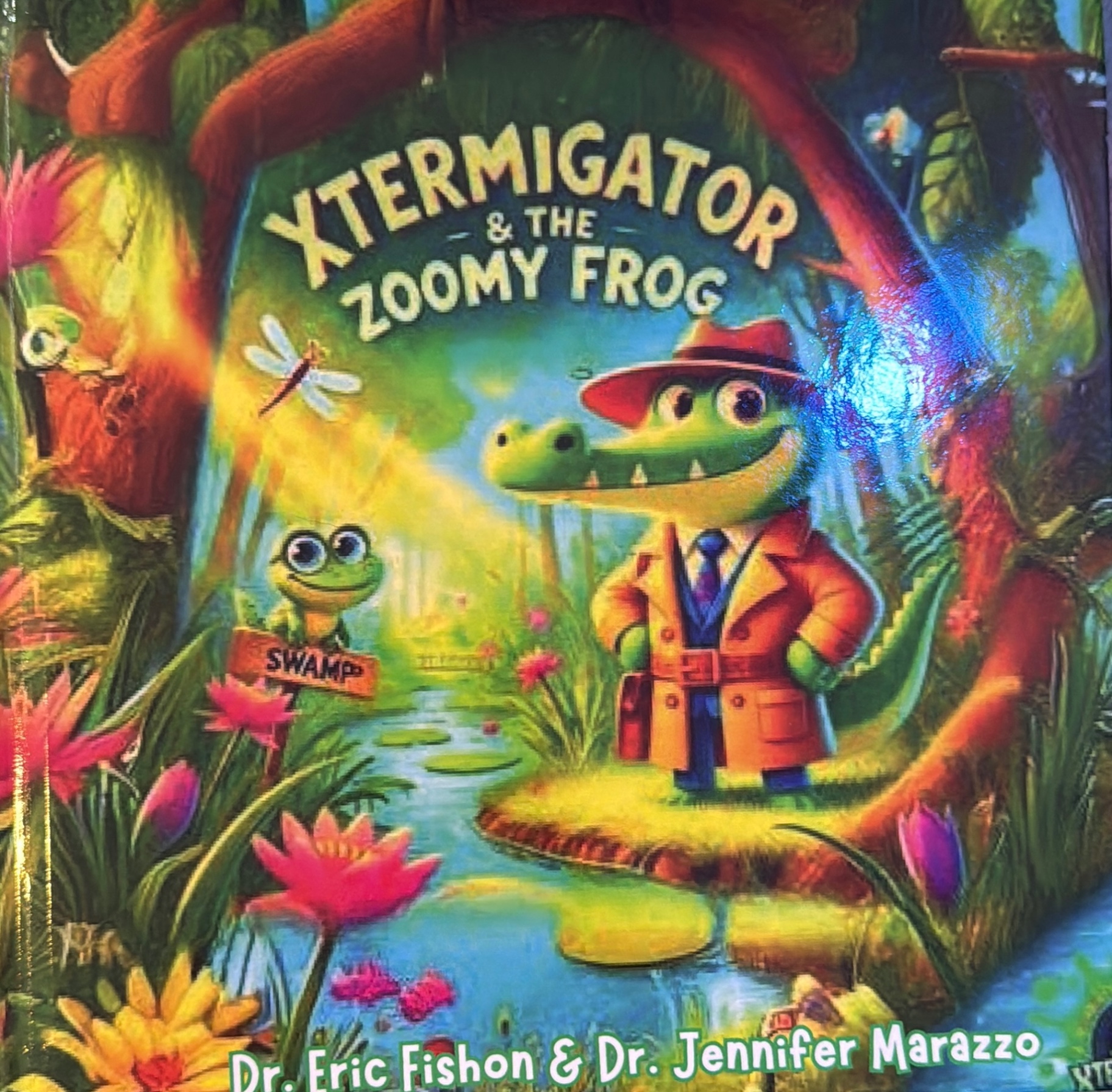
In the Friendly Ferns Swamp, characters like the Xtermigator use their detective skills to find ways to help their friends thrive, emphasizing that every child's journey is unique.
The Power of the "Functional Impact" Strategy
If you don't need a diagnosis to start the process, what do you need? You need evidence of "functional impact" (how a child’s specific challenges interfere with their ability to learn or participate in school life). This is where parents can channel their inner Xtermigator: using courage to speak up and kindness to collaborate.
Consider the "Zoomy Frog" who can't sit still during circle time. From a medical perspective, that might eventually be labeled ADHD. But from an educational perspective, the impact is that the student is missing instructions and disrupting their own learning flow.
"When we shifted our focus from 'Does he have a diagnosis?' to 'What is stopping him from learning today?', everything changed," shares Maria, a mother of a seven-year-old. "We stopped begging for a label and started documenting the daily hurdles. We pointed out that he couldn't finish his work because the sensory input (the background noise and bright lights) was overwhelming. The school didn't need a doctor to tell them the lights were buzzing; they just needed to see how it affected my son."
Navigating the Technicalities: IEPs, 504s, and the 13 Categories
While we advocate for immediate kindness, understanding the technical landscape helps you navigate the system with "Warm Professionalism." There are two primary paths for support:
- The 504 Plan: Based on Section 504 of the Rehabilitation Act (a civil rights law that prohibits discrimination against individuals with disabilities). This plan provides accommodations: like extra time on tests or preferential seating: to ensure the student has equal access to learning.
- The IEP (Individualized Education Program): Governed by IDEA. This is for students who require specialized instruction (changes to what or how they are taught) because their disability falls into one of 13 federal categories (such as Specific Learning Disability, Other Health Impairment, or Emotional Disturbance).
Note: You can request an initial evaluation for these services at any time. The school is legally required to respond to your written request for an evaluation, often within a specific timeframe (usually 30-60 days depending on your state).

Suggested Image: A collaborative meeting between a parent and a teacher, looking over a child's work with smiles, representing the partnership between home and school.
Courageous Inclusion: Why "Being in the Room" Isn't Enough
At XTERMIGATOR KIDS, we believe that true inclusion isn't just a desk in a classroom; it’s a sense of belonging. Waiting for a diagnosis often delays the moment a child feels "seen." When we withhold support because we lack a label, we inadvertently send a message to the child that their struggles aren't "official" enough to deserve help.
"Courage is standing up for a child's right to be understood before they are categorized," says Eric Fishon, Owner of XTERMIGATOR KIDS. "In our stories, we show that different is beautiful. We don't wait for a doctor's note to tell us that Romeo the Otter needs a little more patience. We lead with the heart."
This emotional transformation: from a child feeling "broken" to feeling "supported": is the most critical outcome of early intervention. When we implement strategies like visual schedules (a series of pictures showing the day's tasks) or sensory breaks (short periods of movement to regulate the nervous system) before a diagnosis, we are building a bridge of confidence that stays with the child forever.
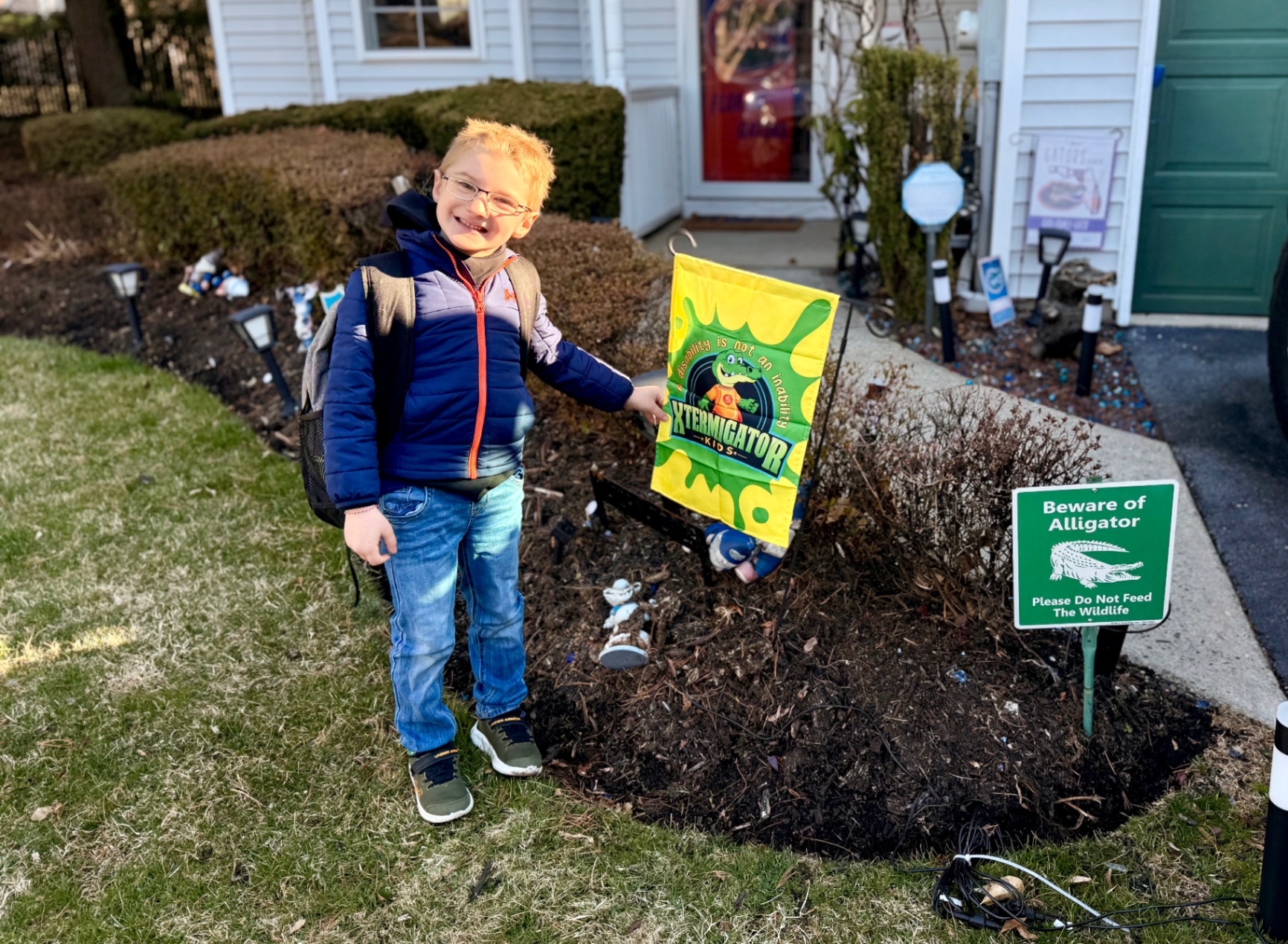
A disability is not an inability. Promoting this message at home and school helps children embrace their unique superpowers with pride.
Practical Steps to Take While You Wait
If you are currently on a waitlist for a specialist, don't let the "In-Between" time go to waste. You can start building a culture of support right now:
- Request a School Evaluation in Writing: Use the phrase "I am requesting a comprehensive educational evaluation to determine my child's eligibility for special education and related services." This triggers a legal timeline that the school must follow.
- Keep a "Success and Struggle" Log: Note what times of day are hardest and what tools (like fidgets or noise-canceling headphones) seem to help. This data is gold for an IEP team.
- Focus on Strengths: Use the Xtermigator’s "Superpower" strategy. Remind your child that their brain works differently, and that "different" is why they are so good at art, or puzzles, or helping others.
- Join the Community: Visit our community connection to find other parents walking the same path. You don't have to navigate the swamp alone.
Forward-Looking Aspirations: A Future Without Gatekeeping
Imagine a school system that operates like the Friendly Ferns Swamp: where the first response to a struggling child is, "How can we help you thrive today?" instead of "What is your diagnostic code?"
We are moving toward a future where "Universal Design for Learning" (an educational framework that creates flexible learning environments to accommodate individual learning differences) becomes the standard. In this future, supports like speech-to-text software or sensory-friendly classrooms are available to all students, reducing the stigma of needing "special" help.
Until then, we must be the advocates our children need. We must have the courage to ask for support based on what we see with our own eyes and the kindness to work alongside educators to make it happen. A diagnosis can be a helpful tool, but your child’s worth and their right to an education are already established.

Different is beautiful. Together, we are unstoppable. Whether it's a holiday or a Tuesday morning in the classroom, inclusion is a daily choice.
If you're looking for more ways to teach your child about their own "superpowers" or want to explore our educational resources, feel free to check out our product sitemap for our latest books and tools. Remember, in the swamp and in the classroom, the most important thing we can carry is a big heart.
For more information on your rights and how to navigate school systems, you can also explore our FAQ or join the discussion in our forum.