
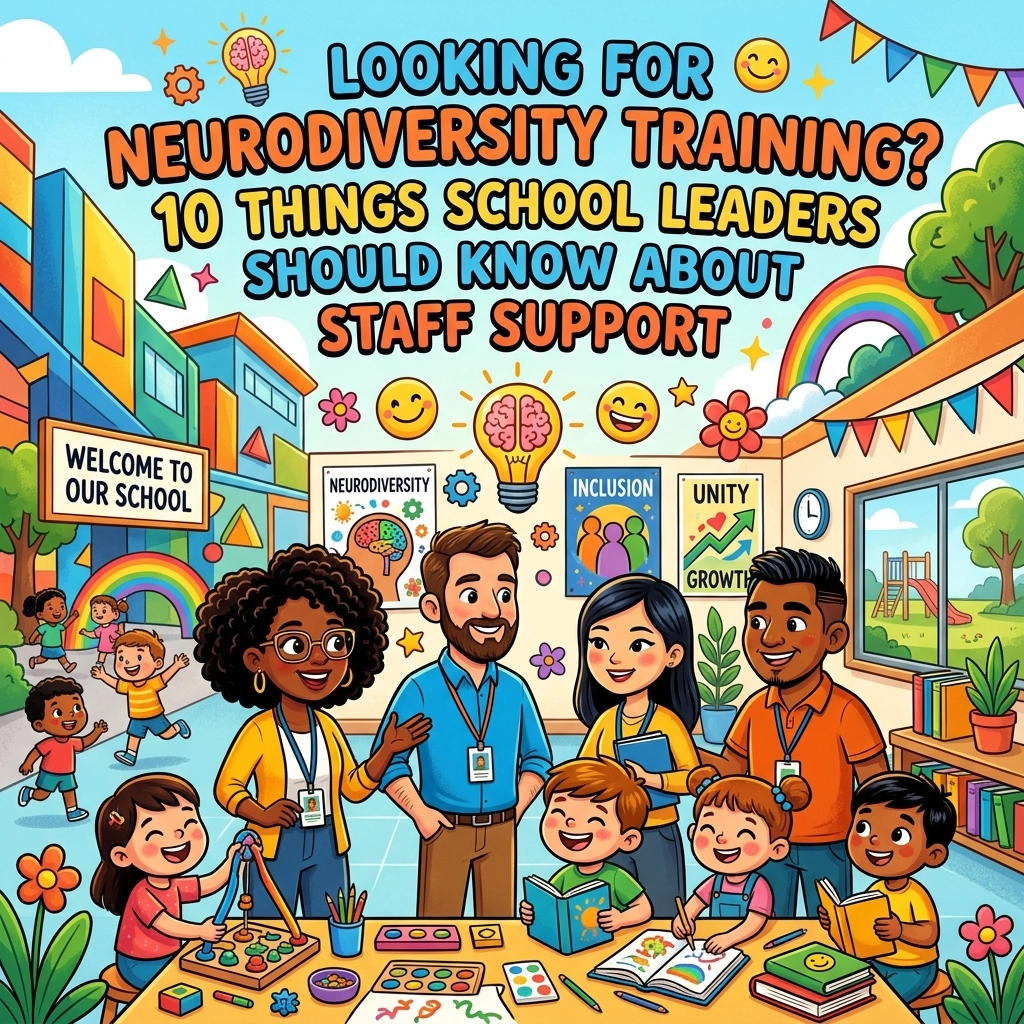
You’ve seen it in the hallways, the faculty lounge, and definitely during the third IEP meeting of the week. Teachers are exhausted. Not just "end-of-semester" tired, but a deep, systemic fatigue that comes from trying to fit square-peg students (and sometimes square-peg colleagues) into round-hole expectations. You want to support your neurodivergent population, but most professional development feels like a checklist, a one-hour seminar that provides definitions but no real direction.
"We keep talking about awareness, but awareness without action is just an observation of struggle," says Eric Fishon, Owner of XTERMIGATOR KIDS. "School leaders are often sold a 'compliance' package when what they actually need is a culture shift. If your staff doesn't feel safe being neurodivergent themselves, they will never have the emotional bandwidth to truly support neurodivergent kids."
As a Head of School or District Leader, choosing the right neurodiversity training isn't just about fulfilling a state requirement; it’s about building a sustainable environment where every brain belongs. Here are 10 key considerations for effective staff support that goes beyond the basics.
1. Move From "Awareness" to "Active Engagement"
Traditional training focuses on "Awareness Months" and posters. True support requires Engagement, the active process of modifying environments and expectations to suit diverse learners. When we look at neurodiversity, we aren't just looking at a diagnosis; we are looking at a human experience.
Italicized Note: At XTERMIGATOR KIDS, we believe that a disability is not an inability, it’s simply a different way of navigating the world. You can see this reflected in our community connection resources.
Effective training should challenge staff to ask: "How does my classroom layout actively hinder a student with ADHD?" or "How does my communication style alienate a teacher with Dyslexia?" It shifts the burden of adaptation from the individual to the environment.
2. Leadership Must Model Vulnerability First
If a Principal acts as though they are a perfect machine, the staff will feel pressured to do the same. This creates a "masking" culture (the exhausting process of hiding neurodivergent traits to appear 'normal'). When leaders are open about their own executive functioning challenges, perhaps by admitting they need a specific digital tool to manage their calendar or that they struggle with sensory overload during pep rallies, it grants the rest of the staff permission to be human.
"The moment I started being honest about my own need for clear, written instructions rather than vague verbal 'drive-bys,' my staff started coming to me with their own needs," notes one veteran Head of School. This transparency builds psychological safety, the bedrock of any inclusive institution.
The XTERMIGATOR KIDS philosophy: Building a world where every child and educator understands that their unique brain is a strength, not a deficit.
3. Empathy-Driven Storytelling Over Medical Definitions
You can memorize the DSM-5 (Diagnostic and Statistical Manual of Mental Disorders), but that won't help you calm a child having a sensory meltdown in the cafeteria. Training should utilize storytelling to bridge the empathy gap.
In our Friendly Ferns Swamp series, we use characters like Xtermigator and the Zoomy Frog to illustrate complex neurological experiences in a way that is relatable and non-threatening. When teachers see a character struggle with "the zoomies" (hyperactivity or sensory seeking), it provides a shared language that is far more effective than clinical terminology. It moves the conversation from "That student is being disruptive" to "That student is currently a Zoomy Frog, how do we help them regulate?"
4. Prioritize Sensory Audits of Staff Spaces
We often talk about sensory corners for kids, but what about the teachers? A teacher who is being driven to the brink by a buzzing fluorescent light in the breakroom or a high-traffic, noisy workspace will have less patience for their students.
Inclusive training should include a "Sensory Audit" (a systematic evaluation of environmental triggers). This includes looking at lighting, acoustics, and even "smellscapes" in the school. By improving the environment for the most sensitive individuals, you improve it for everyone. You can find more about creating these environments in our FAQ.
5. Stop Waiting for the Official Diagnosis
One of the biggest bottlenecks in education is the "wait-and-see" period for formal evaluations. Effective staff training empowers teachers to provide support based on observed needs rather than waiting for a piece of paper.
"If a child is struggling to sit still, they need a movement break. Period. We don't need a three-month diagnostic process to tell us that," says Fishon. Training should focus on Universal Design for Learning (UDL), where accommodations are built into the fabric of the classroom for everyone, thereby removing the stigma of "special" treatment.
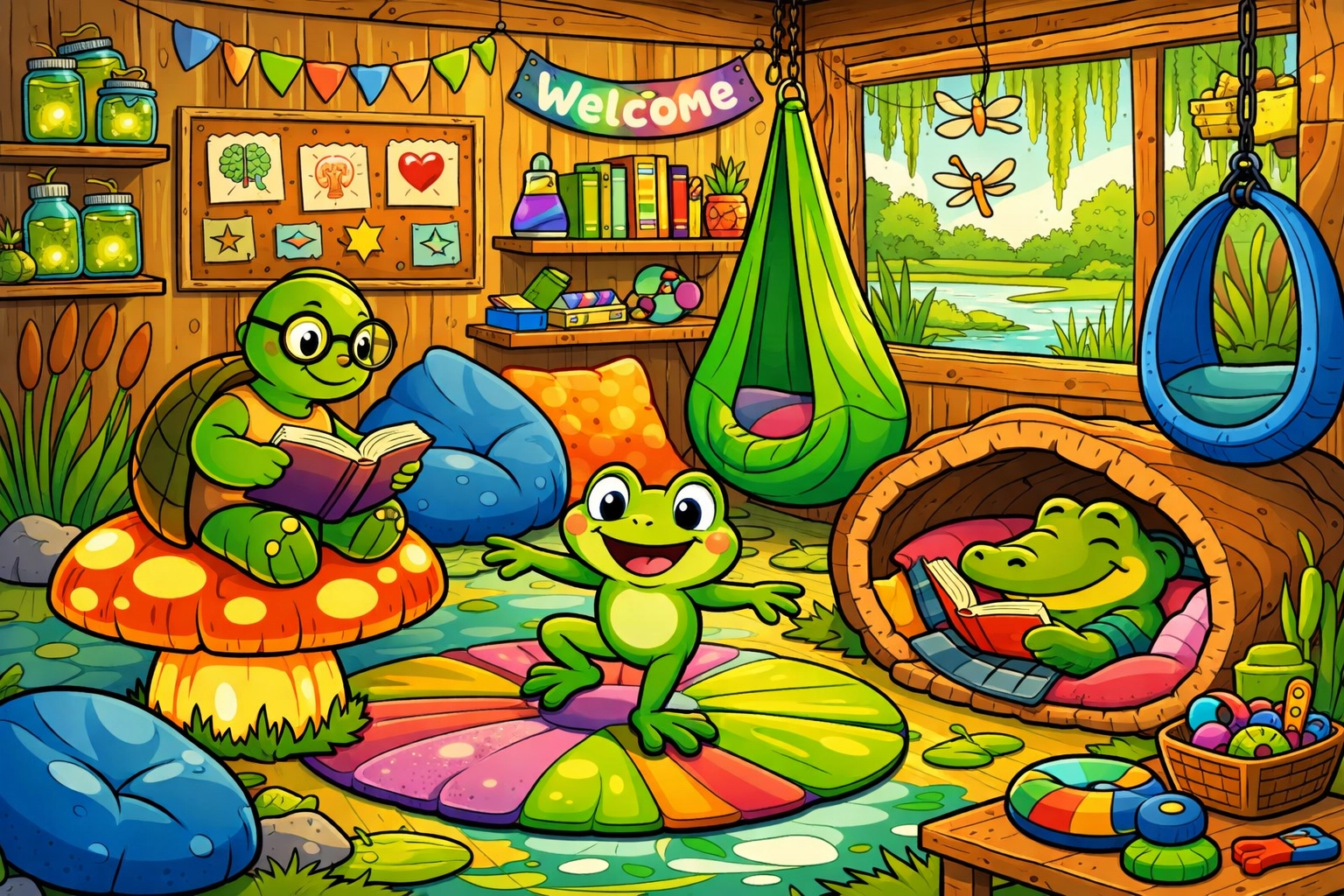
Visualizing the transformation: From a rigid, one-size-fits-all classroom to a dynamic, flexible learning environment where various stations cater to different sensory and cognitive needs.
6. Implement the "Safe House Framework"
Training shouldn't just be a lecture; it should offer a framework for psychological safety. The "Safe House Framework" focuses on creating an organizational structure where staff can "troubleshoot" their challenges without fear of a poor performance review.
This involves:
- Predictable Communication: Avoiding "We need to talk" emails without context.
- Clear Expectations: Providing written agendas for every meeting.
- Flexibility: Allowing for asynchronous work when possible for administrative tasks.
When teachers feel safe, they are more likely to stay. In an era of massive teacher turnover, neuro-inclusion is a retention strategy.
7. The Power of "Zoomy Frog" Strategies in the Classroom
Training should provide practical, "grab-and-go" strategies. For example, using the book Xtermigator & the Zoomy Frog as a teaching tool allows educators to introduce the concept of unseen disabilities to the entire class simultaneously.
Italicized Note: Using literature is a "low-floor, high-ceiling" strategy that works for various age groups. Check out our books section to see how these stories translate to classroom tools.
Instead of a teacher trying to explain neurodiversity through a dry lecture, they can read a story about a frog who moves a bit faster than everyone else. This creates an "Emotional Transformation Moment" where students begin to advocate for one another, saying, "Hey, maybe he just has the zoomies right now, let's give him some space."
8. Sustained Mentorship Over "One-and-Done" PD
If you want to change a culture, you need a long-term plan. The best neurodiversity training includes monthly check-ins, group mentoring, or a "Community of Practice" where teachers can share what worked and what failed.
"I attended a workshop in August, and by October, I had forgotten half of the strategies because the reality of the classroom took over," shared a 4th-grade teacher. "The schools that succeed are the ones that have a 'Neurodiversity Lead' on staff who provides ongoing, bite-sized support throughout the year."
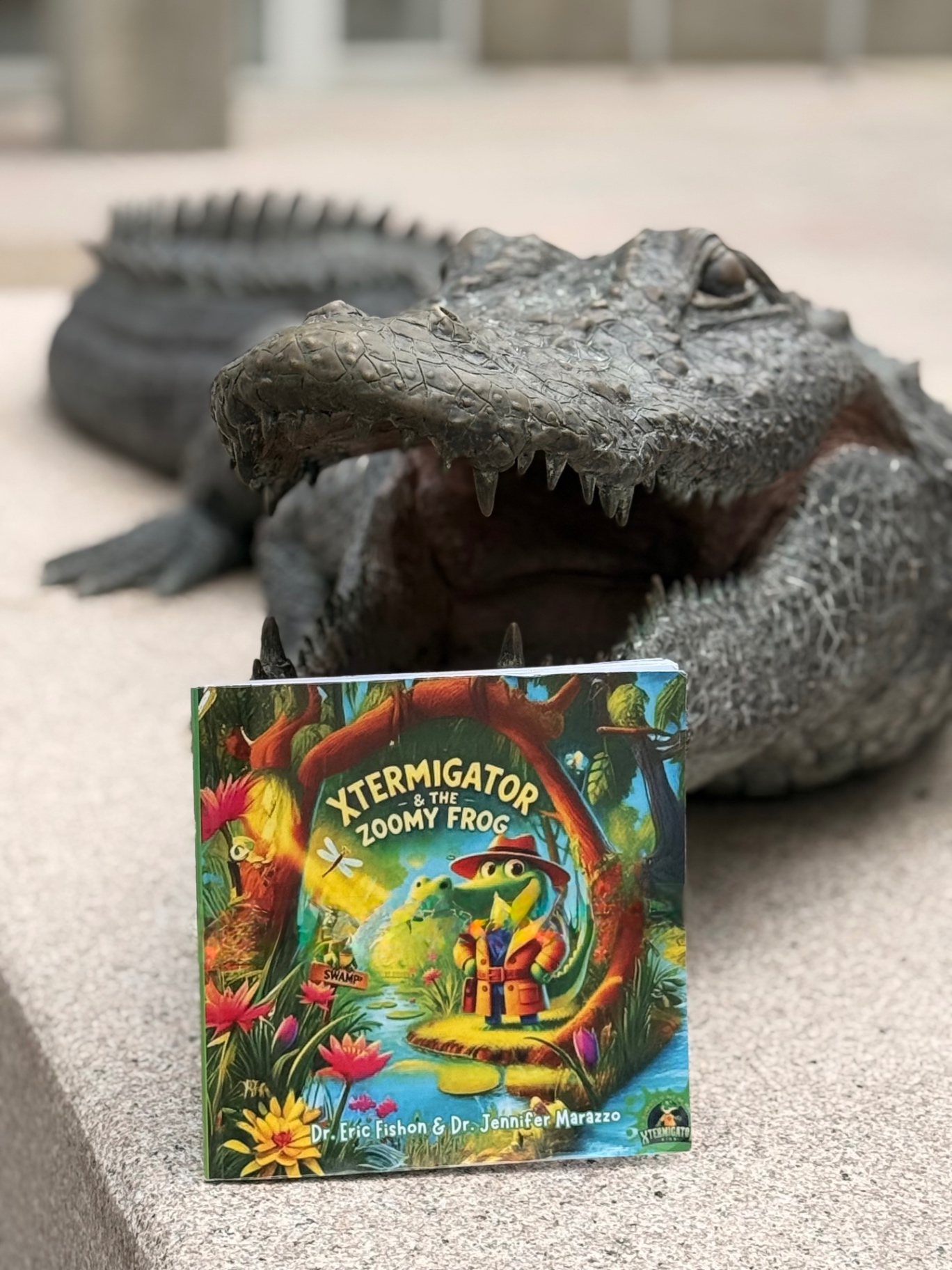
Storytelling is the bridge to understanding. Our books serve as a constant reminder that 'Different is beautiful.'
9. Leveraging Technology and AI for IEP Support
Let's be real: the paperwork involved in supporting neurodivergent students is staggering. Effective training in 2026 must include how to use AI and specialized software to streamline IEP (Individualized Education Program) goal tracking and report writing.
By showing staff how to use technology responsibly to handle the "administrative load," you free them up to do what they actually love: teaching. We often discuss these advancements in our member-tos-page and internal community updates.
10. Inclusion Makes the Whole School Stronger
The most important takeaway for any school leader is that neuro-inclusive practices are not "charity" for a small group of people. They are "Best Practices" for the entire human race.
Clearer communication, better lighting, empathy-based discipline, and flexible working conditions benefit the "neurotypical" staff and students just as much as the neurodivergent ones. When you build a school that works for the most marginalized brain, you build a school that works better for everyone.
"We are moving toward a future where we don't just tolerate differences; we seek them out," says Fishon. "The schools that figure this out now are going to be the leaders of the next decade."
A Path Forward for Your Institution
As you look toward the next academic year, consider how your training budget reflects your values. Are you checking a box, or are you building a swamp: a rich, diverse ecosystem where every creature, from the slowest turtle to the zoomiest frog, has a vital role to play?
We invite you to explore our shop for resources that can kickstart this transformation in your classrooms today. Whether it's through the Big Heart Series or our swamp-themed curriculum, the journey to a more inclusive school starts with one small, empathetic step.
Different is beautiful. Together, we are unstoppable.
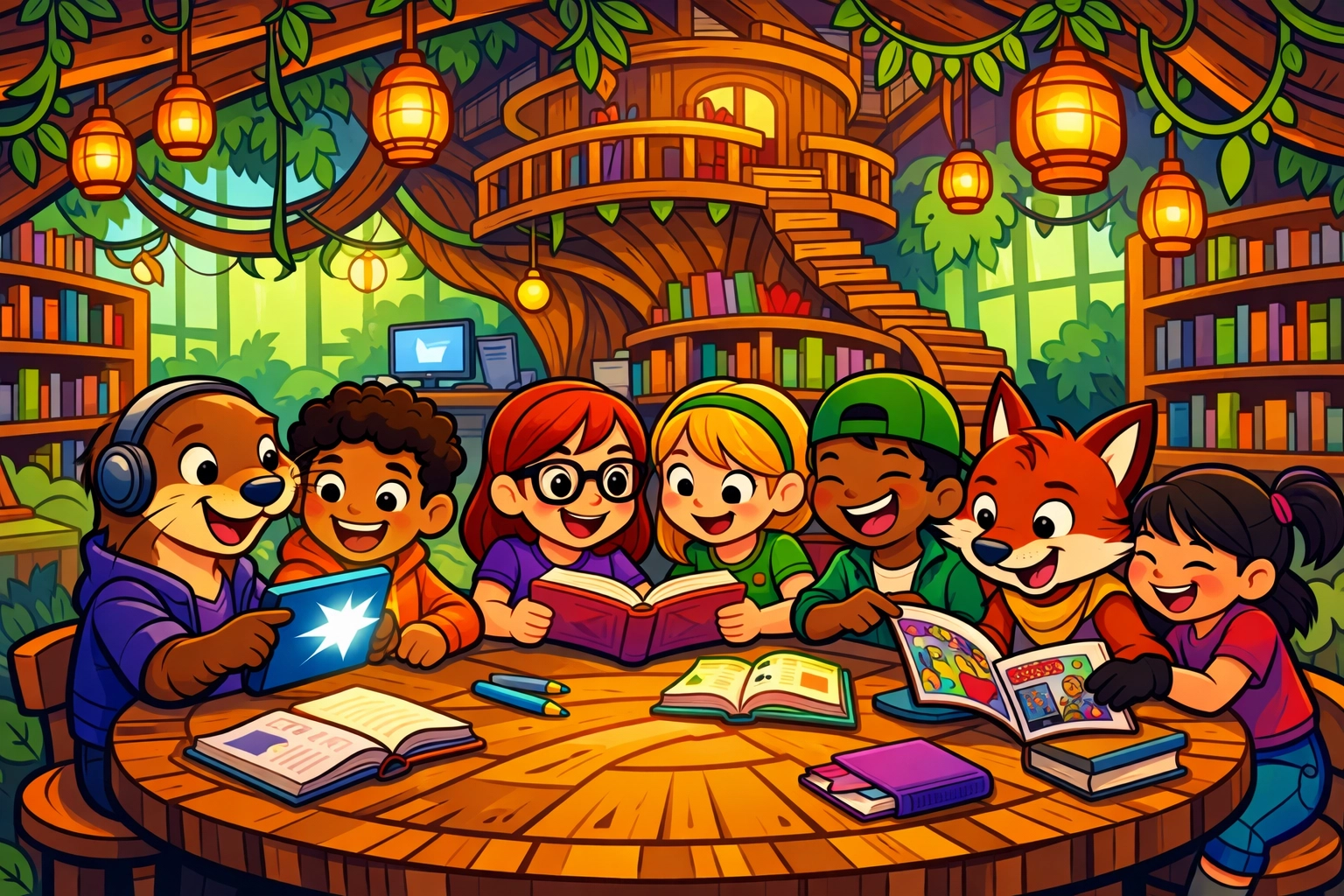
The future of education: A diverse group of educators and students from all backgrounds collaborating in a bright, modern library, representing the strength found in neurodiversity.
We hope to see you in the community connection soon, sharing your wins and learning alongside us. After all, the swamp is big enough for everyone.