
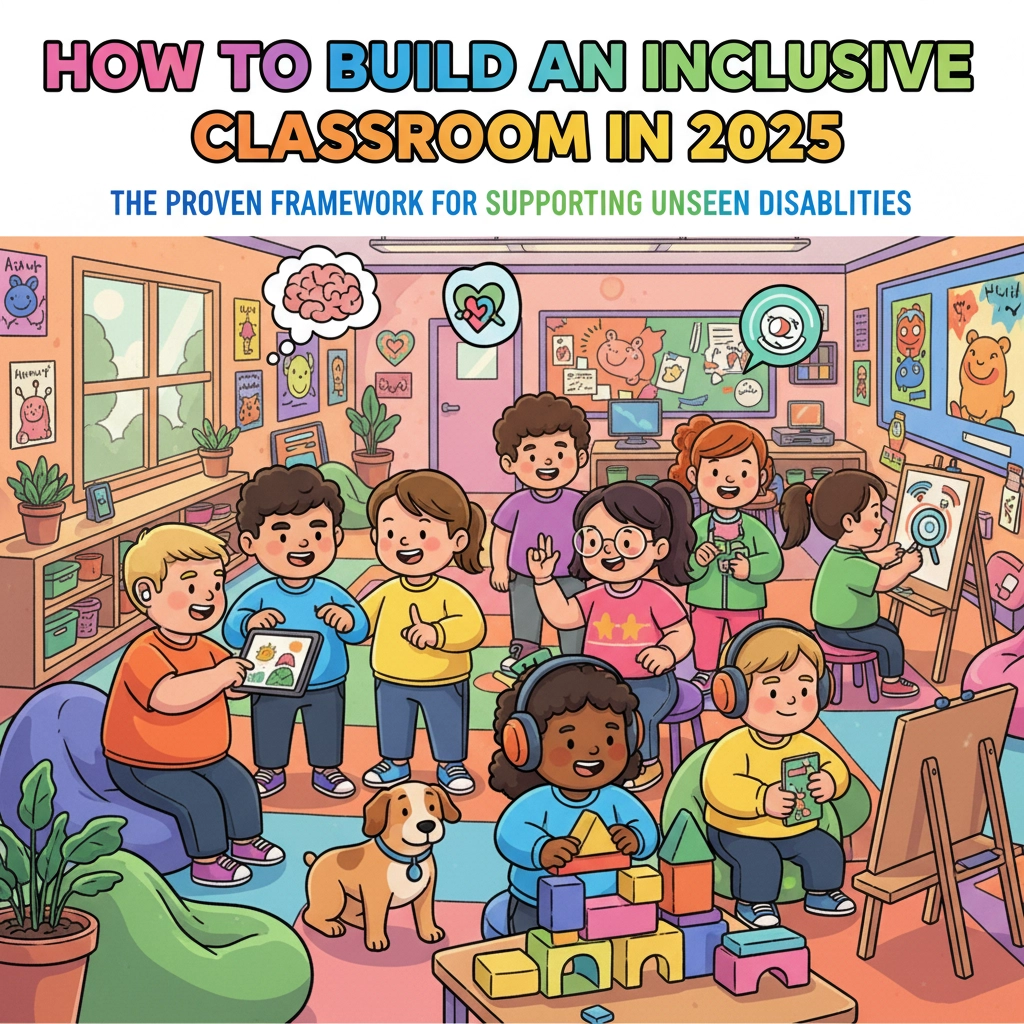
Picture this: It's Monday morning, and eight-year-old Maya sits in the back row, fidgeting with her pencil eraser while her teacher explains the day's math lesson. To everyone around her, Maya appears disengaged: maybe even defiant. But what they can't see is that her ADHD brain is working overtime, desperately trying to filter through the classroom noise, fluorescent lighting, and rapid-fire instructions that feel like an overwhelming sensory storm.
Maya's story isn't unique. Across America's classrooms, millions of students with unseen disabilities: from dyslexia and autism spectrum disorders to anxiety and processing differences: are struggling in environments that weren't designed with their needs in mind. The tragic irony? With the right framework, these same students often become the most creative, innovative, and resilient learners in the room.
The Hidden Crisis in Our Classrooms
Recent research reveals a startling truth: traditional classroom designs are failing nearly 20% of students who have various learning differences and unseen disabilities. These students aren't "problem children": they're bright, capable individuals whose brains simply process information differently. Yet too many educators still rely on one-size-fits-all teaching methods that leave these learners behind.
"The biggest misconception is that inclusion is just about accommodating students with visible disabilities," explains Dr. Sarah Martinez, a special education researcher at Columbia University. "In reality, the students who need support most are often the ones sitting quietly in the back, struggling silently with challenges no one can see."
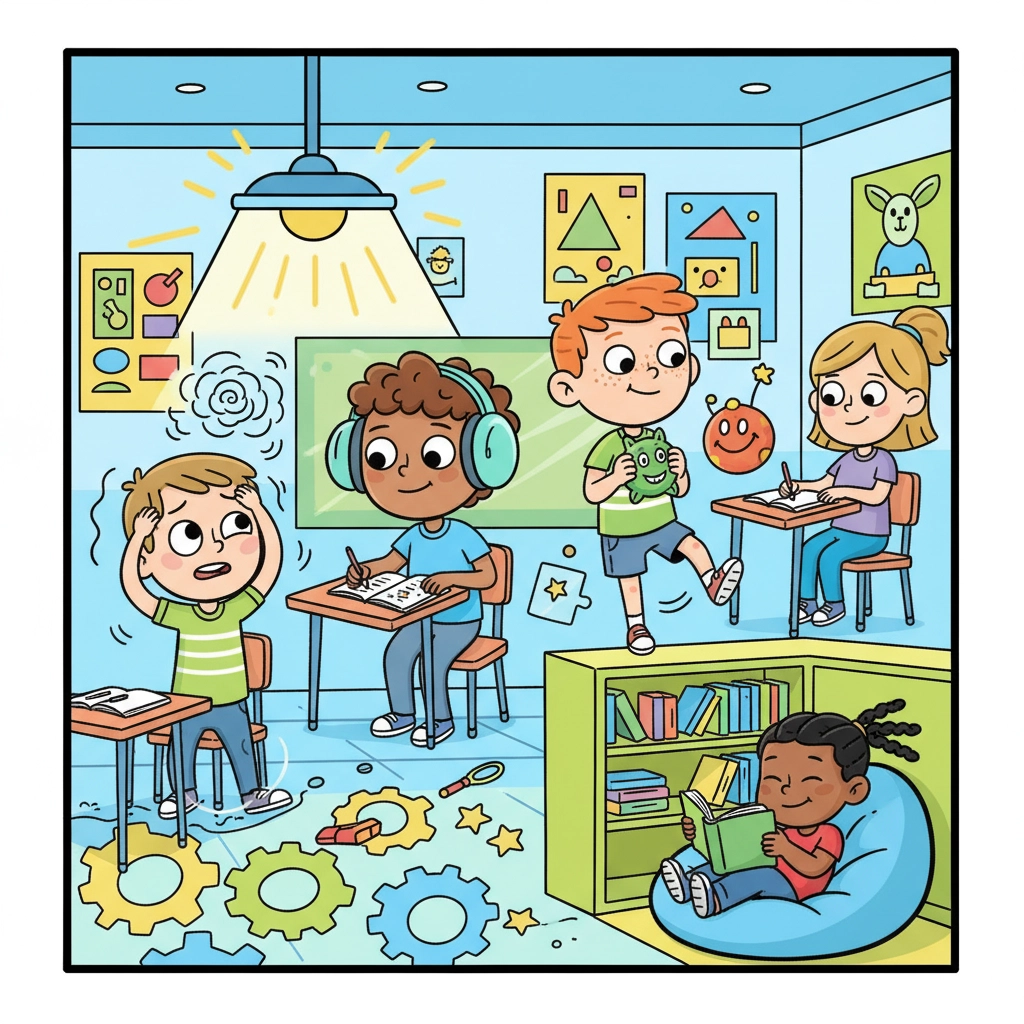
The cost of this oversight extends far beyond academic performance. Students with unseen disabilities often develop secondary issues: anxiety, depression, and behavioral problems: that stem from repeatedly experiencing failure in environments that don't support their learning style.
The Science-Backed Framework That Changes Everything
Building a truly inclusive classroom requires more than good intentions: it demands a systematic approach rooted in Universal Design for Learning (UDL) principles. This research-based framework recognizes that accessibility benefits everyone, not just students with identified needs.
The framework rests on six interconnected pillars:
Physical Environment Design: Creating flexible spaces that accommodate different sensory needs and learning preferences
Cultural Inclusivity: Fostering psychological safety where differences are celebrated, not merely tolerated
Curricular Accessibility: Embedding multiple pathways to learning from the lesson planning stage
Sensory Considerations: Managing lighting, sound, and visual stimuli to support all learners
Relational Dynamics: Building authentic connections that help every student feel valued
Communication Systems: Implementing clear, consistent methods that reduce cognitive load
Transforming Physical Spaces for Invisible Needs
The traditional classroom: rows of desks facing forward under harsh fluorescent lights: creates barriers for students with sensory processing differences, ADHD, and autism spectrum disorders. Research shows that simple environmental modifications can increase engagement by over 20% for students with special educational needs while simultaneously improving focus for neurotypical peers.
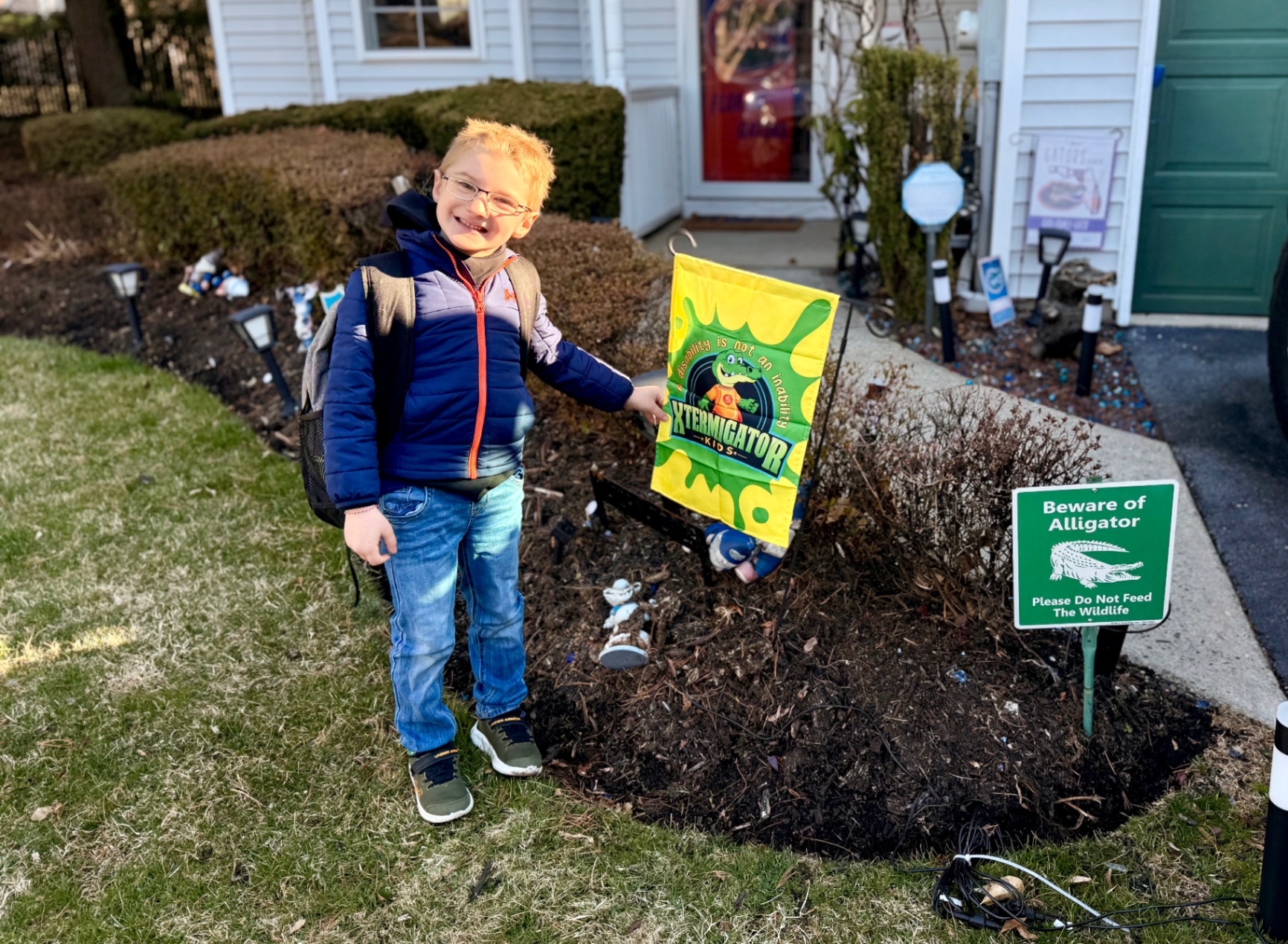
Creating welcoming spaces starts with the message we send: just like this XTERMIGATOR KIDS flag reminds us that "a disability is not an inability."
Effective inclusive classrooms incorporate:
Flexible Seating Options: Bean bags, standing desks, stability balls, and quiet corners that allow students to self-regulate their sensory input. "When I added a reading nook with soft lighting to my classroom, I was amazed to see how many students: not just those with diagnosed conditions: gravitated toward that calmer space," shares Jennifer Wu, a third-grade teacher from Portland.
Designated Quiet Zones: Areas where students can retreat when feeling overwhelmed, equipped with noise-canceling headphones, fidget tools, and calming visual elements.
Strategic Lighting: Reducing harsh fluorescent lighting with table lamps, natural light sources, and allowing students to wear sunglasses indoors when needed.
Visual Organization Systems: Clear labeling, color-coding, and consistent placement of materials that reduces decision fatigue and supports executive functioning.
Revolutionary Instructional Approaches That Work
The most significant breakthroughs in inclusive education come from rethinking how we deliver instruction. Instead of forcing students to adapt to rigid teaching methods, successful educators provide multiple pathways to both accessing and demonstrating knowledge.
Multimodal Lesson Delivery moves beyond the traditional lecture format. Teachers present information through visual displays, hands-on activities, and audio recordings simultaneously. "I used to think I had to choose between visual or auditory learners," explains Marcus Thompson, a middle school science teacher. "Now I realize the magic happens when I engage multiple senses at once. My student with dyslexia can follow along with audio while tracking visual diagrams, while my student with ADHD can manipulate physical models during the explanation."
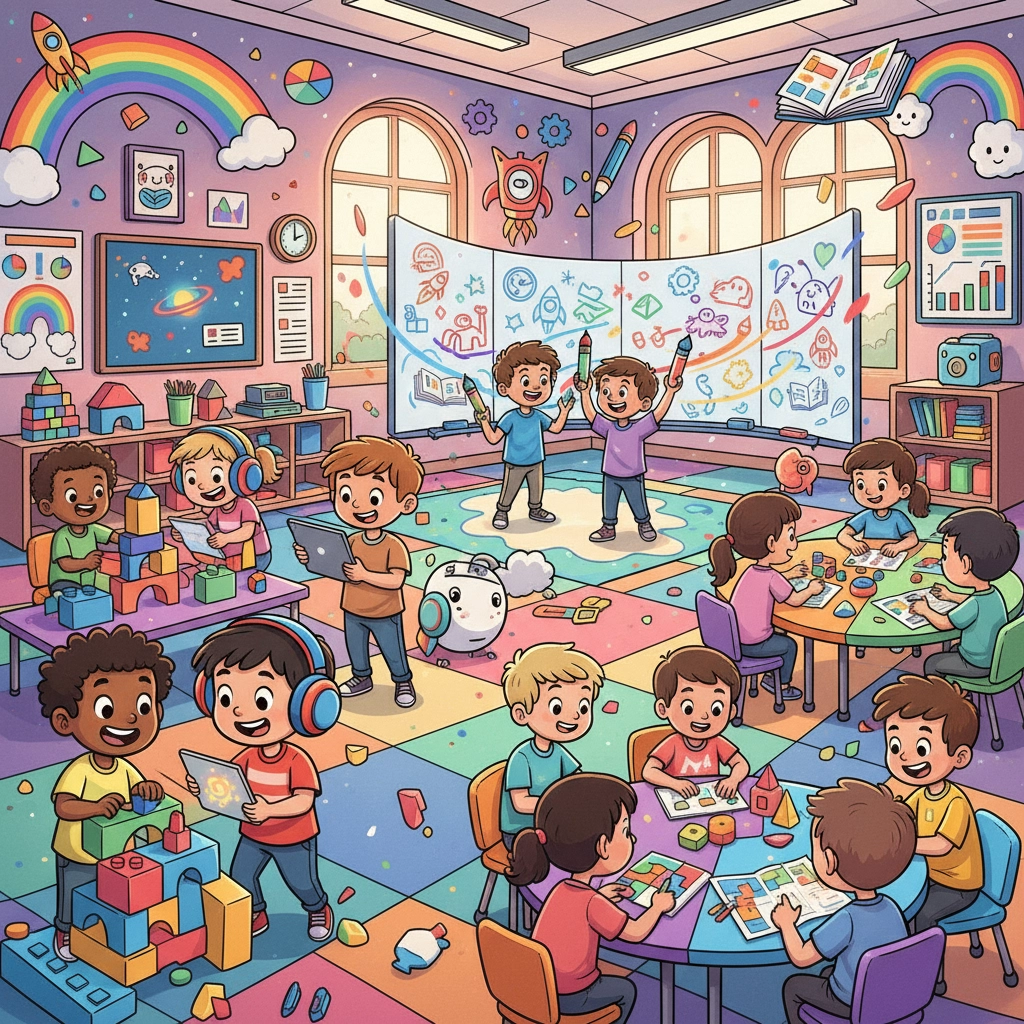
Flexible Assessment Options revolutionize how students demonstrate mastery. Rather than relying solely on written tests, students might create video presentations, build models, or design infographics. This approach particularly benefits students with language processing disorders, writing difficulties, or test anxiety.
Chunked Instruction and Visual Schedules break complex tasks into manageable steps. Teachers post daily schedules prominently, provide checklists for multi-step assignments, and use timers to help students with executive functioning challenges manage their work.
Technology as the Great Equalizer
When thoughtfully integrated, assistive technology removes barriers that have historically prevented students with unseen disabilities from reaching their potential. Modern classrooms leverage:
Text-to-Speech and Speech-to-Text Software: Allowing students with dyslexia or writing difficulties to access content and express their ideas more effectively.
Organization Apps: Digital calendars, task management tools, and reminder systems that support students with ADHD and executive functioning challenges.
Interactive Learning Platforms: Adaptive software that adjusts difficulty levels in real-time, providing appropriate challenges for every learner.
"The breakthrough moment for Tommy came when we discovered voice-to-text software," recalls his mother, Lisa Chen. "Suddenly, this brilliant kid who couldn't get his thoughts on paper was writing elaborate stories and complex analysis. The technology didn't change his intelligence: it just removed the barrier that was hiding it."
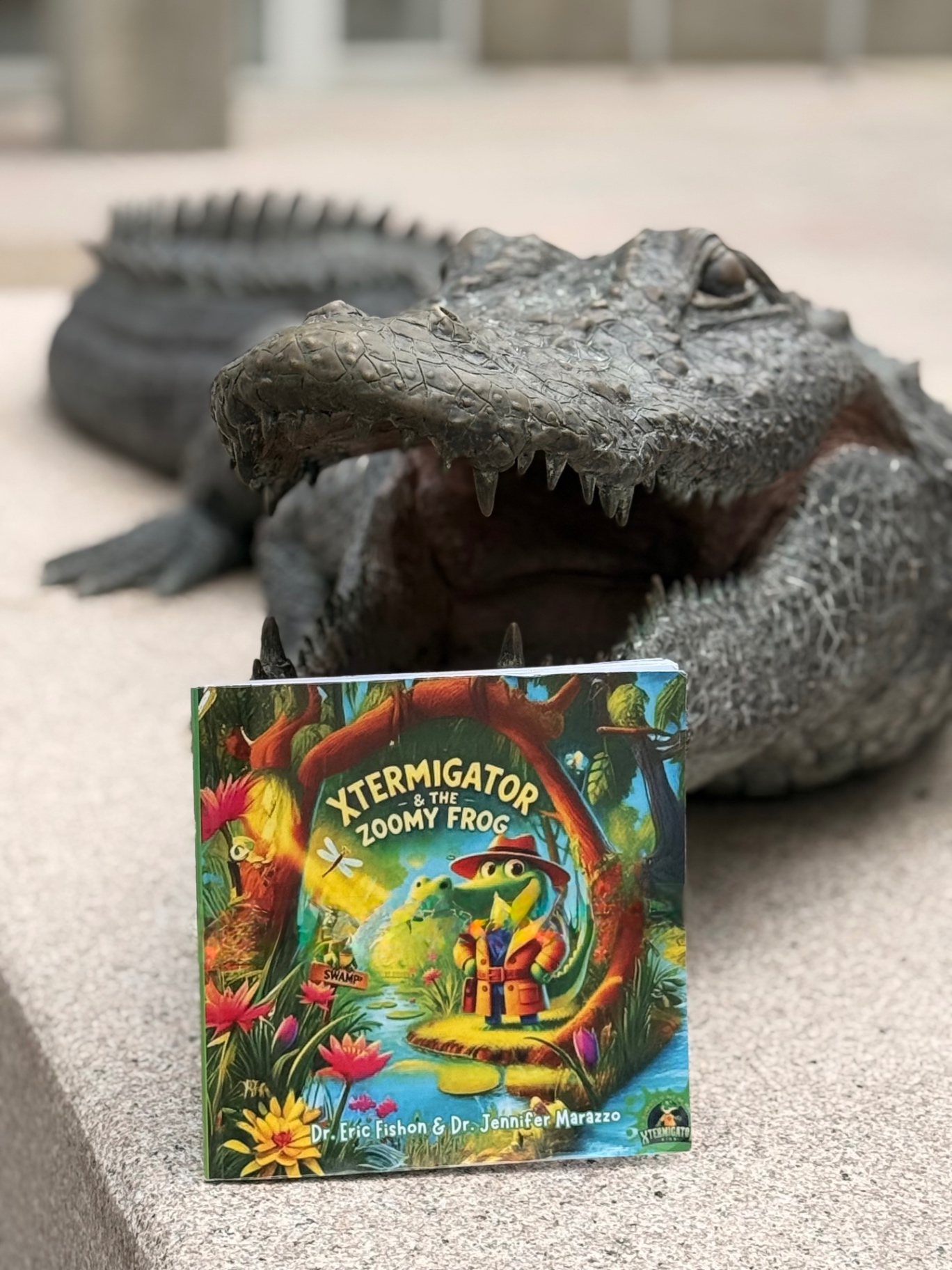
Educational resources like "Xtermigator & the Zoomy Frog" help students understand that everyone learns differently: and that's perfectly okay.
Building Relationships That Heal and Empower
Perhaps the most crucial element of inclusive classrooms isn't physical or technological: it's relational. Students with unseen disabilities often carry invisible wounds from years of being misunderstood, mislabeled, or overlooked.
Effective inclusive educators prioritize:
Getting to Know Each Student Individually: Learning about interests, strengths, challenges, and family dynamics through conversations, surveys, and observation.
Creating Psychological Safety: Establishing classroom norms where mistakes are learning opportunities, questions are always welcome, and different approaches to problems are celebrated.
Peer Education and Collaboration: Teaching students about neurodiversity through age-appropriate discussions and carefully structured group activities that highlight everyone's unique contributions.
"The day my daughter's teacher said, 'Emma's brain works differently, and that makes our class more interesting,' was the day Emma stopped seeing her anxiety as a weakness," shares parent Maria Rodriguez. "She finally had a teacher who understood that her sensitivity was also her superpower."
The Implementation Roadmap: From Vision to Reality
Creating an inclusive classroom doesn't happen overnight, but educators can start implementing changes immediately using this proven progression:
Month 1-2: Environmental Assessment and Basic Modifications
Begin with simple physical changes: adding flexible seating options, creating a quiet corner, adjusting lighting where possible, and establishing visual organization systems.
Month 3-4: Instructional Strategy Integration
Start incorporating multimodal teaching approaches, offering choice in assignments, and implementing visual schedules and chunked instruction techniques.
Month 5-6: Technology Integration and Assessment Flexibility
Introduce assistive technology tools gradually and begin offering alternative assessment options while collecting data on student engagement and success.
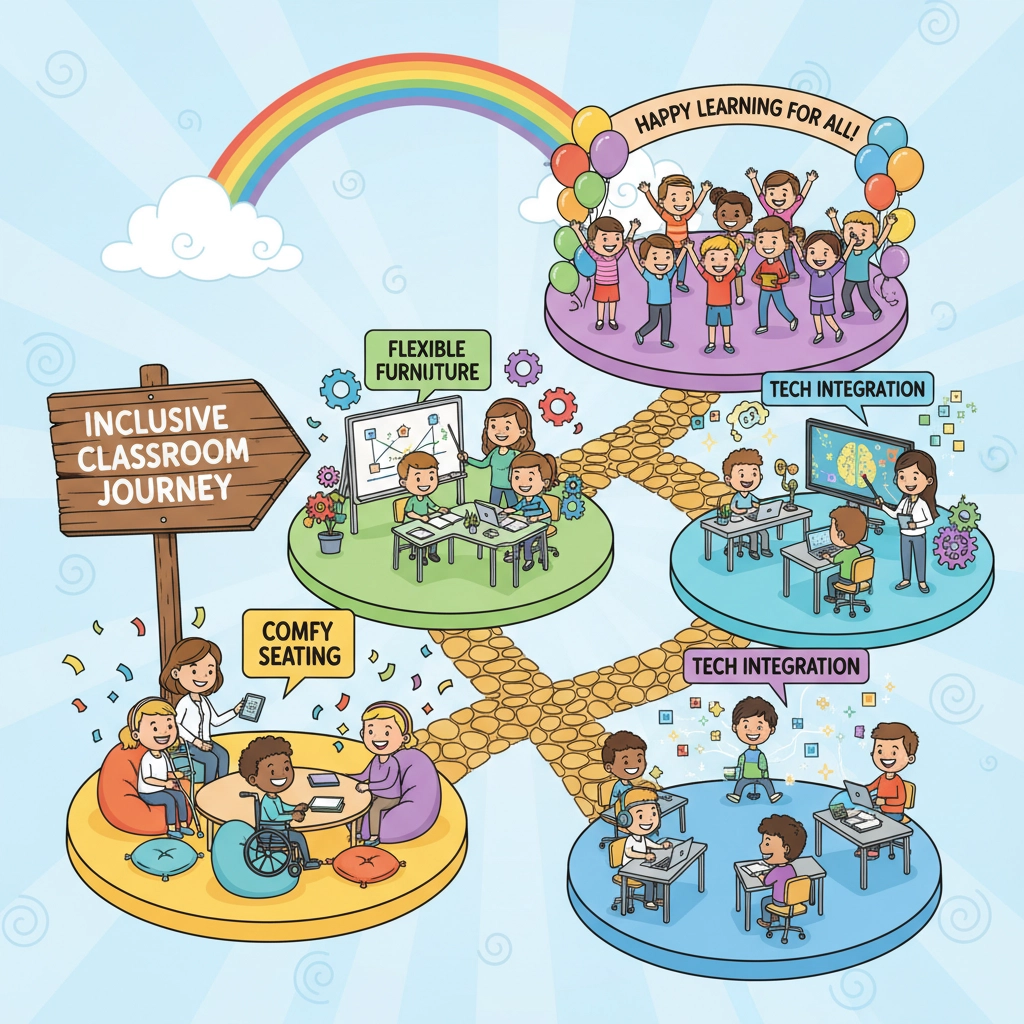
Ongoing: Relationship Building and System Refinement
Continuously gather feedback from students, families, and colleagues while refining approaches based on what's working and what needs adjustment.
The Ripple Effect: When Inclusion Transforms Everyone
The most remarkable discovery about inclusive classrooms isn't just that they support students with unseen disabilities: they elevate learning for everyone. Neurotypical students develop greater empathy, problem-solving skills, and appreciation for diverse perspectives. Teachers report increased job satisfaction and professional growth. Families feel more connected to their children's education.
"After implementing UDL principles in my classroom, I had parents of typical students asking what changed," laughs fourth-grade teacher David Kim. "Their kids were more excited about learning, more confident in taking risks, and more supportive of their classmates. Inclusion isn't just good for some students: it's good for all students."
Looking Forward: The Future of Inclusive Education
As we advance through 2025 and beyond, the inclusive classroom model is evolving from accommodation to transformation. Emerging technologies like AI-powered adaptive learning platforms, virtual reality experiences, and personalized learning pathways promise even greater possibilities for supporting diverse learners.
The vision extends beyond individual classrooms to entire school systems that embrace neurodiversity as a strength rather than a challenge to overcome. Professional development programs are expanding to ensure all educators: not just special education teachers: have the tools and understanding needed to create truly inclusive environments.
Most importantly, we're moving toward a future where students like Maya don't just survive their educational experience: they thrive, contributing their unique perspectives and talents to create richer learning communities for everyone.
The framework exists. The research supports it. The only question remaining is: which students will we choose to see, support, and celebrate today?
For educators ready to begin this transformation, resources and community support await at XTERMIGATOR KIDS, where every child's potential is recognized and nurtured, regardless of how their brain works.