
You watch your four-year-old struggle with the same simple puzzle for the third time this week, while their younger sibling completed it months ago. Something feels different, but you can't quite put your finger on what. Teachers and family members reassure you that "every child develops at their own pace," yet that nagging feeling persists. You're not imagining things: and you're certainly not alone.
Research shows that many children display observable signs of hidden disabilities years before formal school identification occurs, typically between grades 2-4. The challenge? These early indicators often masquerade as personality quirks, developmental delays that will "sort themselves out," or behavioral phases. But for parents who know what to look for, these subtle signs can become powerful tools for early intervention and support.
Sign #1: Speech Sounds Different, Learning Words Takes Longer
When communication feels like climbing uphill
Dr. Sarah Martinez, a pediatric speech pathologist with fifteen years of experience, explains it this way: "Parents often tell me their child was 'late to talk,' but what they're really describing is a pattern of language challenges that extends far beyond simple delays."
The signs appear in multiple ways: your child might be 18-24 months old and using fewer than 50 words when peers are combining words into short sentences. They may struggle to produce certain sounds consistently: saying "wabbit" instead of "rabbit" well past the age when most children master the 'r' sound. Perhaps most telling, they show difficulty learning foundational concepts like rhyming words, remembering song lyrics, or grasping the alphabet despite repeated practice.
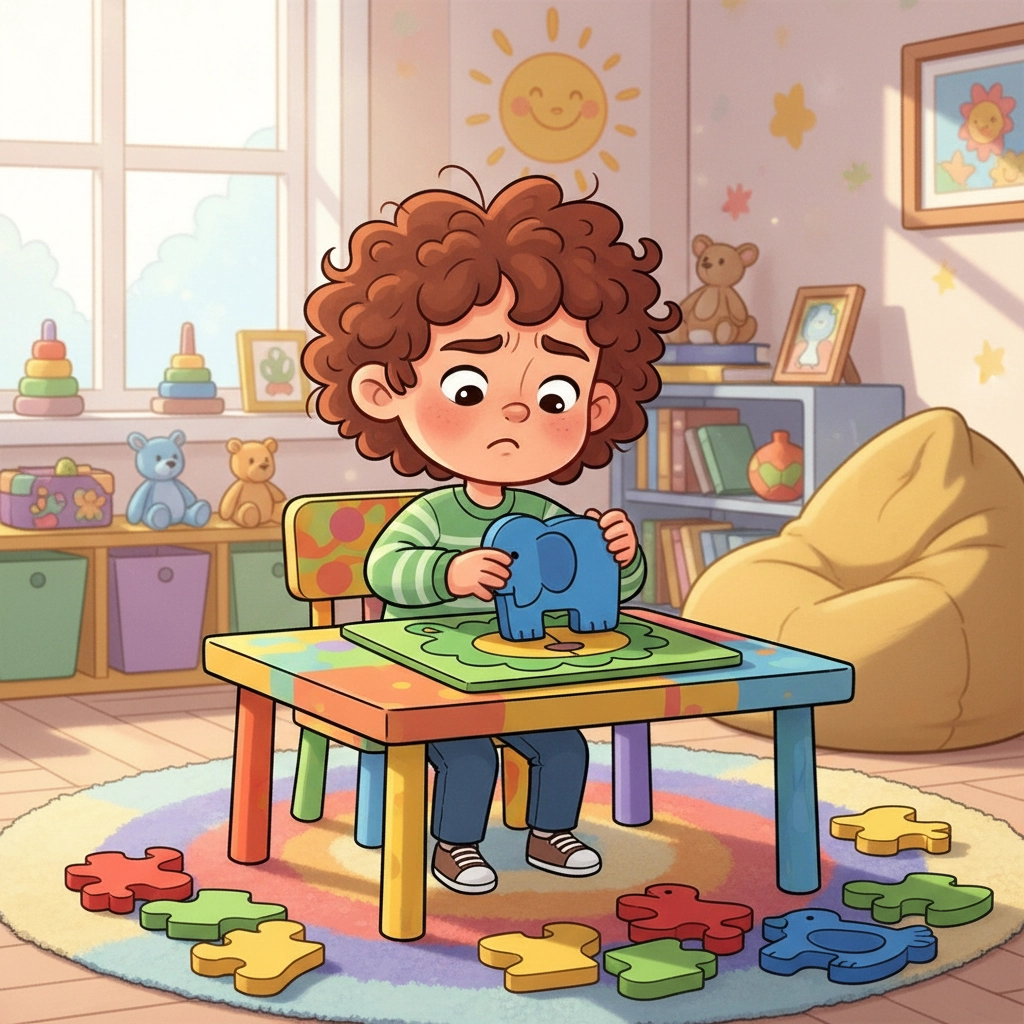
Four-year-old Emma consistently struggled with rhyming games that her peers found entertaining and easy
"I noticed my daughter Emma couldn't do simple rhymes like 'cat-hat' even though she was incredibly bright in other ways," shares Jennifer, a mother from Portland. "She could tell elaborate stories and had an amazing vocabulary for her age, but ask her what rhymes with 'sun' and she'd stare blankly. It was that inconsistency that made me realize something was different."
This uneven profile: strong abilities in some language areas paired with persistent difficulties in others: often signals an underlying language-based learning difference rather than a general developmental delay.
Sign #2: Hands and Body Don't Cooperate Like They Should
When physical skills lag behind cognitive abilities
Fine and gross motor coordination challenges frequently fly under the radar because they're easy to attribute to "not being ready yet" or "needing more practice." However, children with hidden disabilities often show persistent difficulties with age-appropriate physical tasks despite adequate opportunity and instruction.
Watch for an awkward grip on crayons or pencils that doesn't improve with modeling and practice. Your child might struggle with scissors, frequently dropping them or cutting in jagged lines when peers create smooth curves. Gross motor signs include frequent tripping or stumbling, difficulty with playground equipment appropriate for their age, or challenges learning to ride a bike or catch a ball.
"My son Alex was brilliant: he could discuss dinosaurs like a paleontologist at age five," recalls Maria, whose son was later identified with dyspraxia. "But he couldn't tie his shoes, had trouble with buttons, and his handwriting looked like a much younger child's. Teachers kept saying he'd catch up, but the gap was getting wider, not smaller."
The key indicator isn't the presence of these challenges alone, but their persistence over time combined with typical or advanced development in other areas.
Sign #3: Social Connections Feel Complicated and Confusing
When friendship doesn't come naturally
Social and play patterns often provide the clearest window into a child's underlying processing differences. Children with hidden disabilities frequently show distinct patterns in how they interact with peers and engage in play activities.
You might notice your child prefers parallel play (playing alongside other children rather than with them) well beyond the typical age for this behavior. They may show little interest in pretend play scenarios that captivate other children, or they might create elaborate solo fantasy worlds while struggling to join group activities. Understanding unwritten social rules: like taking turns, reading facial expressions, or knowing when to join a conversation: can feel impossibly complex.
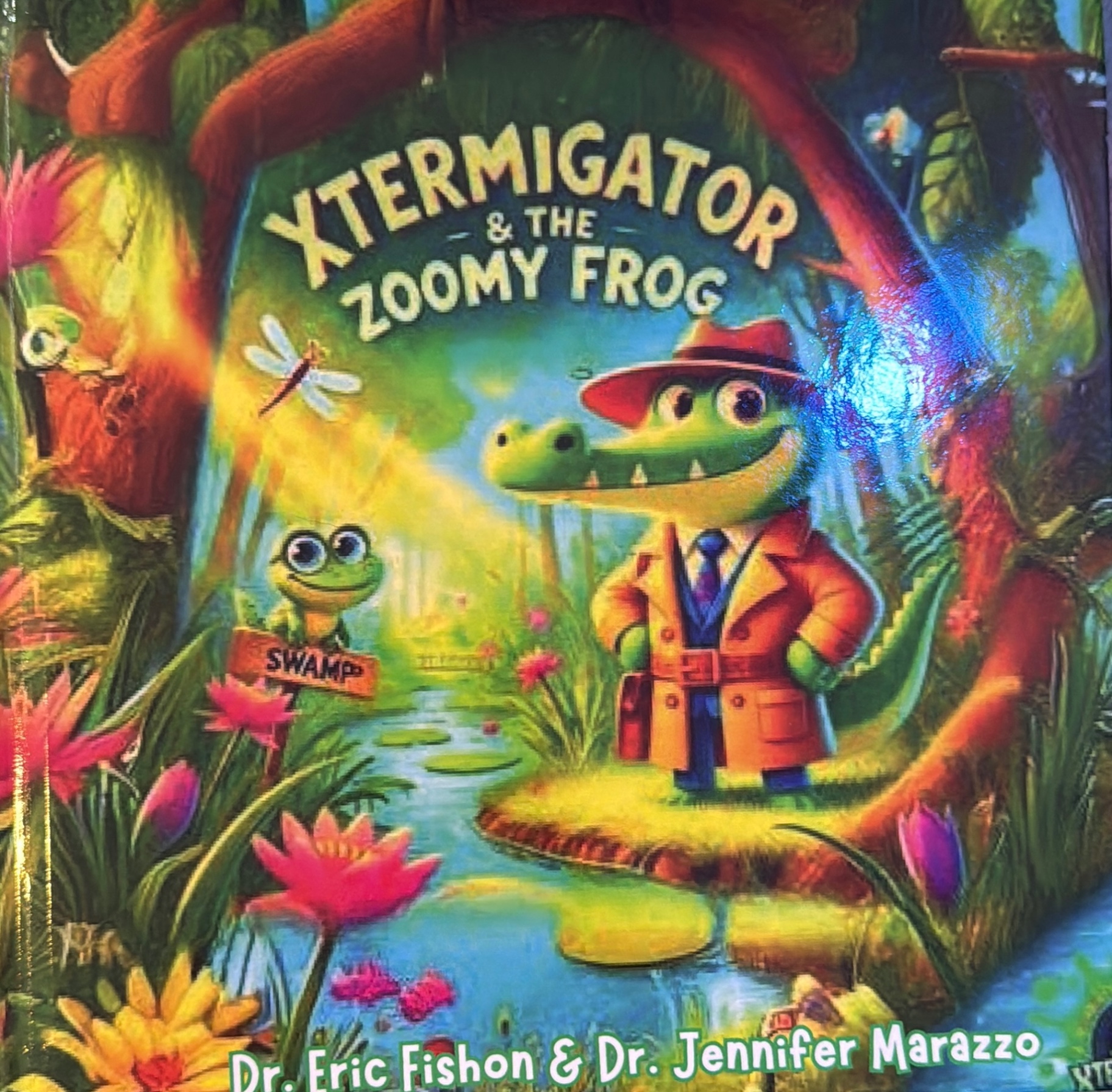
Stories like "Xtermigator & The Zoomy Frog" help children understand that different ways of thinking and interacting are perfectly normal
"At birthday parties, Maya would find a quiet corner and line up the party favors by color while other kids played together," describes Rebecca, a mother whose daughter was later identified with autism spectrum differences. "She wasn't antisocial: she was incredibly caring and loving at home. But group social situations seemed to overwhelm her in ways that weren't obvious to most adults."
These social processing differences often become more apparent in unstructured environments (like playgrounds) compared to structured activities (like story time), providing valuable clues for parents who know what to observe.
Sign #4: Senses Work Overtime or Seem Dialed Down
When the world feels too loud, too bright, or not quite right
Sensory processing differences represent one of the most misunderstood early signs of hidden disabilities. These aren't simply "picky" or "sensitive" behaviors: they're neurological differences in how the brain processes sensory information from the environment.
Some children over-respond to sensory input: they might cover their ears in noisy restaurants, refuse to wear certain clothing textures, become distressed by unexpected touch, or have meltdowns in bright, busy environments like grocery stores. Others under-respond: they might not notice when their name is called, seem oblivious to personal space, crave intense physical input like crashing into furniture, or appear to have a high pain tolerance.
"Noah would have complete meltdowns at the grocery store, but only certain ones," explains David, father of a child with sensory processing differences. "I finally realized it was the fluorescent lighting combined with the background music and cart wheels on tile floors. His nervous system just couldn't handle all that input at once. Once we understood that, we could plan around it."
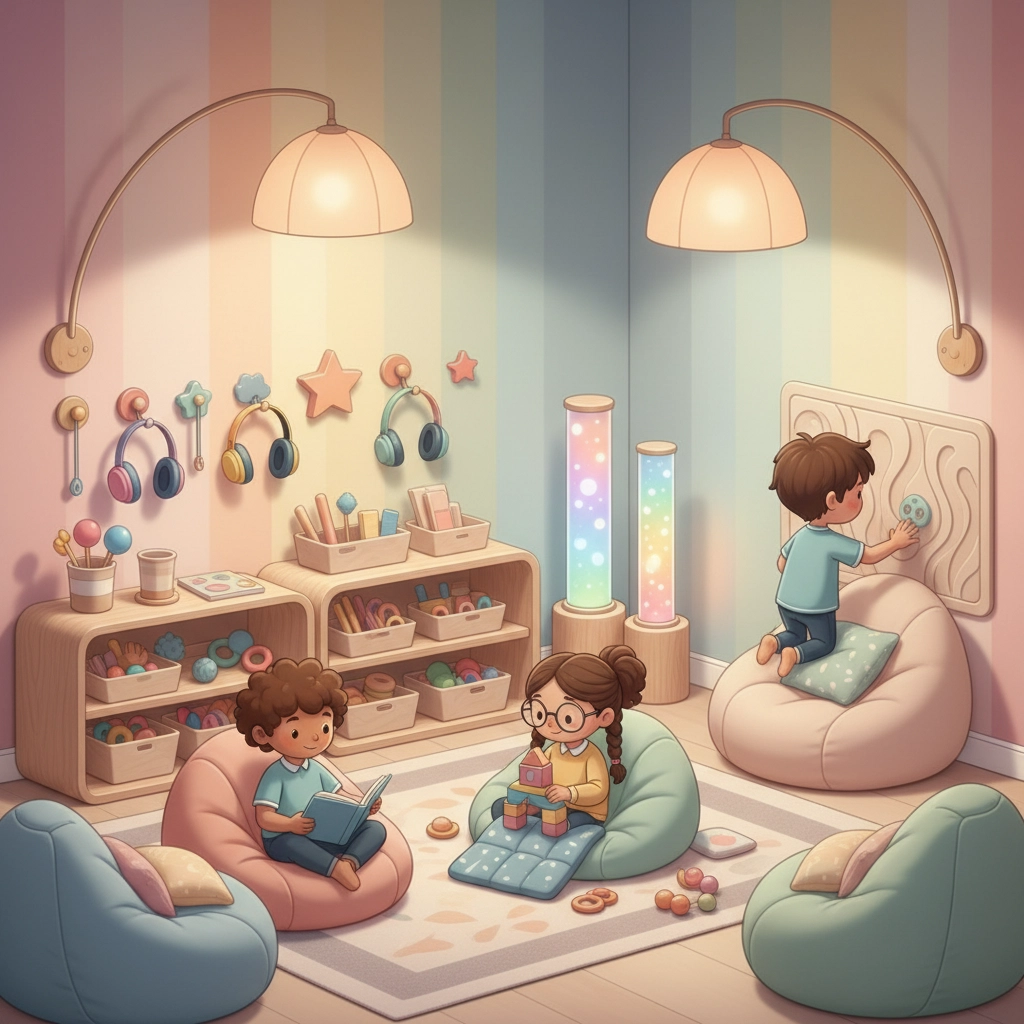
Sensory-friendly environments help children with processing differences feel calm and focused
These sensory responses often intensify under stress or fatigue, making them particularly noticeable during transitions or new experiences.
Sign #5: Learning Looks Different Despite Clear Intelligence
When bright minds work harder for basic skills
Perhaps the most confusing sign for parents is when their obviously intelligent child struggles disproportionately with foundational academic skills. This isn't about being "behind" across the board: it's about significant gaps between ability and achievement in specific areas.
Your child might have an extensive vocabulary and sophisticated reasoning skills but struggle to recognize letters or connect sounds to symbols. They may grasp complex mathematical concepts but can't memorize basic math facts. Memory can be particularly revealing: they might remember detailed information about their favorite topics but forget simple instructions or daily routines.
"Emma could discuss the plot complexities of chapter books I read to her, but she couldn't learn letter sounds no matter how we practiced," shares teacher and parent Lisa. "The disconnect between her comprehension abilities and her reading readiness was striking. That's when I knew we needed to dig deeper."
Executive functioning challenges often accompany these learning differences. Your child might have trouble organizing their belongings, following multi-step directions, or transitioning between activities: not due to defiance, but because their brain processes and prioritizes information differently.
Moving Forward: What These Signs Mean for Your Family
Recognizing these patterns isn't about labeling or limiting your child: it's about understanding their unique learning profile so you can provide appropriate support. Early identification allows families to implement strategies before academic and social challenges compound into bigger problems.
"The relief I felt when we finally understood why my child struggled was overwhelming," reflects Jennifer. "It wasn't that she wasn't trying hard enough or that I wasn't teaching well enough. Her brain just works differently, and once we knew that, we could help her succeed."
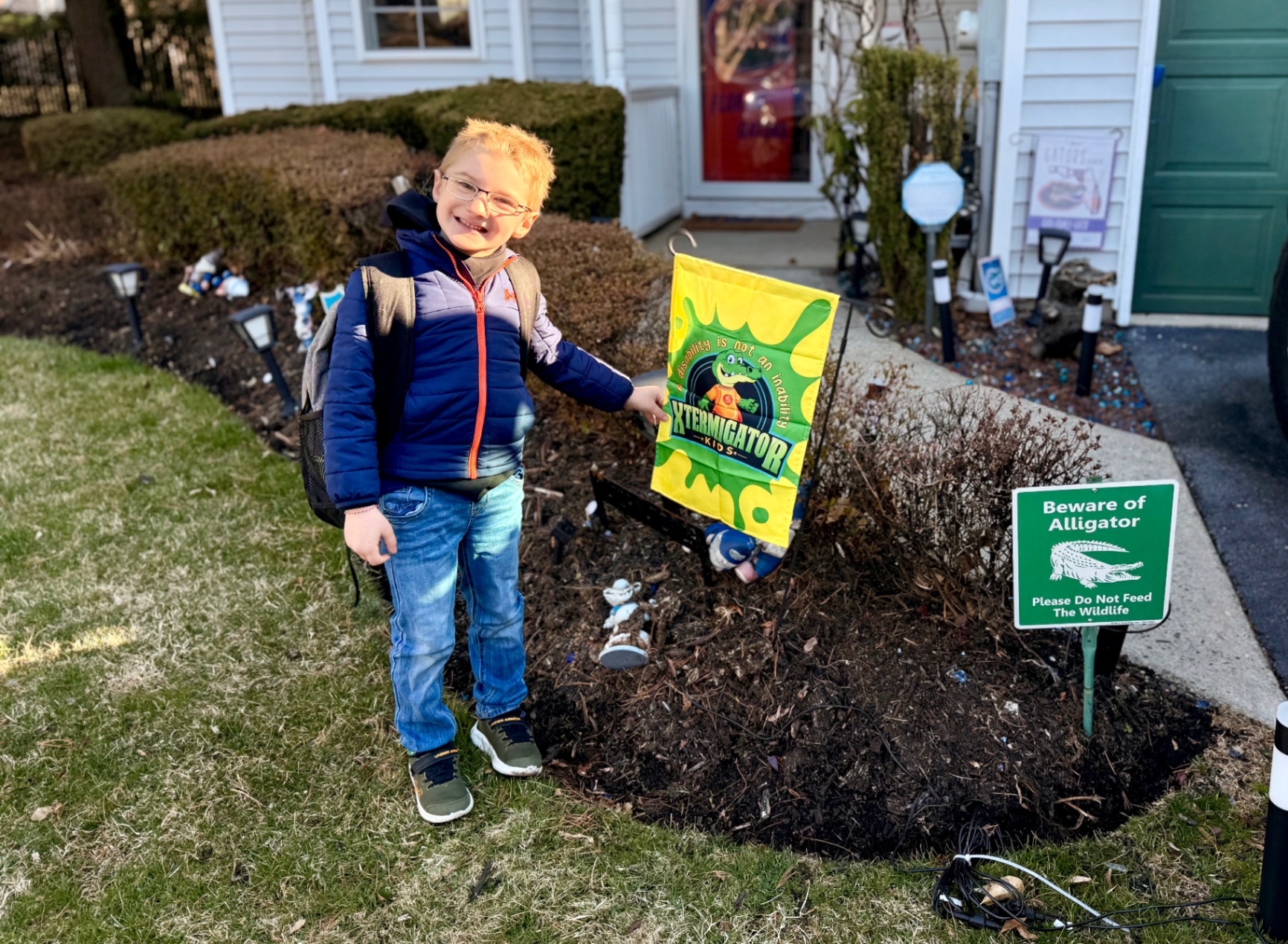
Celebrating differences and promoting understanding helps all children thrive
Document specific examples of the patterns you observe, share your observations with teachers and healthcare providers using concrete descriptions rather than general concerns, and remember that seeking support demonstrates advocacy, not anxiety. Your child's differences aren't deficits: they're simply variations in how their amazing brain processes the world.
The goal isn't to "fix" your child, but to understand their learning profile well enough to help them develop strategies, build confidence, and ultimately thrive in ways that honor their unique strengths while supporting their areas of challenge. When parents trust their instincts and seek understanding early, children receive the gift of support before struggles become overwhelming( setting the foundation for a lifetime of learning success.)