
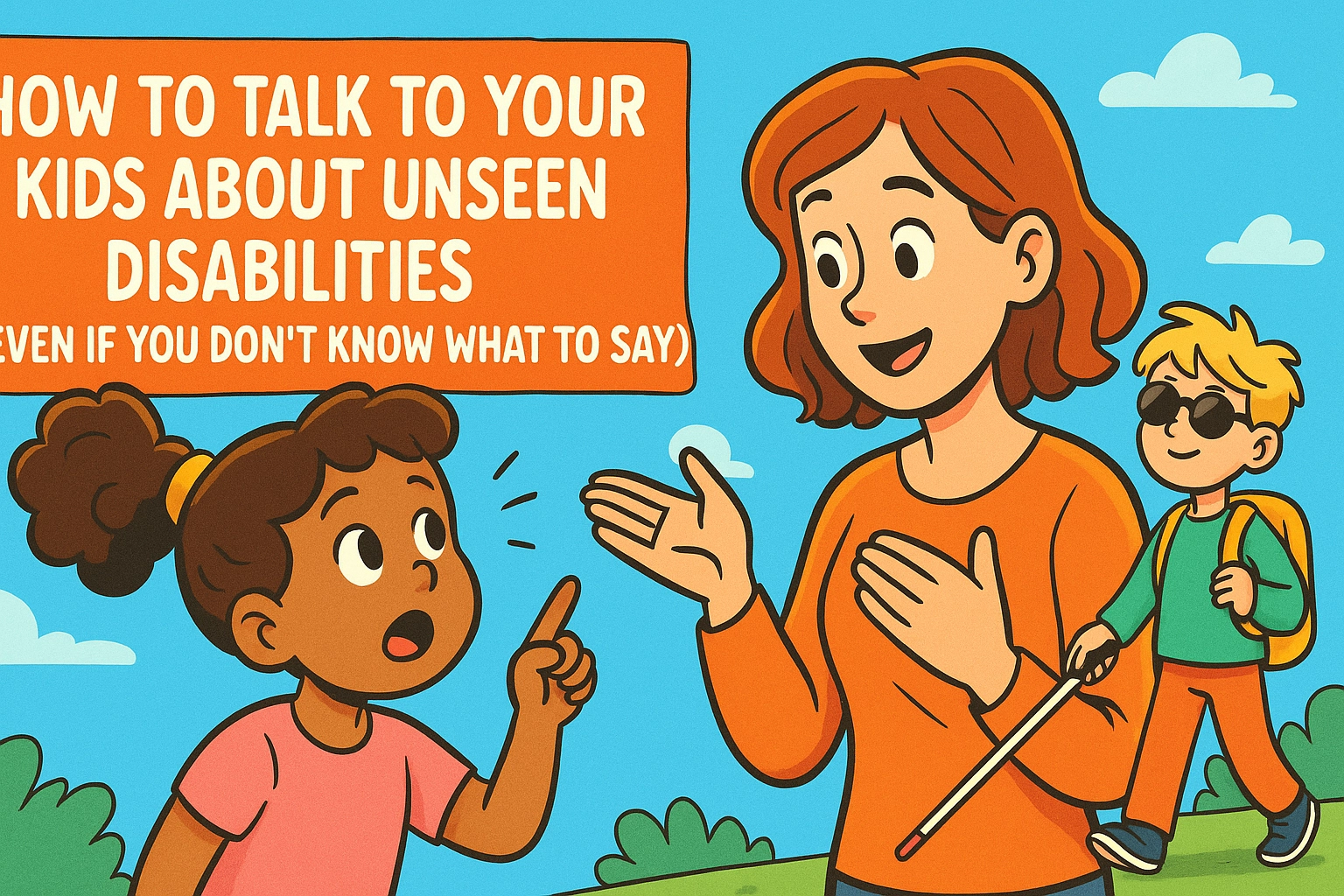
Picture this: You're at the grocery store with your 7-year-old when they loudly ask, "Mom, why is that kid making weird noises?" Your face burns with embarrassment as nearby shoppers turn to look. You want to teach compassion, but you're frozen: unsure whether to shush them, apologize profusely, or attempt an explanation you're not prepared to give.
If you've been in this situation (or dreaded being in it), you're not alone. Most parents feel completely unprepared to discuss invisible disabilities with their children, despite knowing these conversations are crucial for raising empathetic, inclusive kids.
Why These Conversations Can't Wait
The statistics are sobering: 1 in 4 adults in the United States has a disability, and the majority of these disabilities are invisible (conditions like ADHD, autism, anxiety disorders, chronic illness, and learning differences). Your child will encounter classmates, teachers, and community members with unseen disabilities throughout their life: often without realizing it.
"The goal isn't to turn your child into a disability expert," explains Dr. Sarah Mitchell, a pediatric psychologist specializing in neurodevelopmental differences. "It's to help them respond with curiosity instead of judgment, and kindness instead of fear."
Research from the University of California shows that children who receive early, positive education about disabilities demonstrate significantly higher levels of empathy and are more likely to form friendships across different ability levels. These early conversations literally shape how your child sees and interacts with the world.
The Power of Simple, Honest Language
The secret to talking about invisible disabilities isn't having all the answers: it's using language that makes abstract concepts concrete and relatable for young minds.
Start with analogies they already understand. "Imagine if your brain was like a computer, but sometimes it processes information differently than other computers. That doesn't mean it's broken: just that it works in its own special way," suggests Maria Rodriguez, a special education teacher with 15 years of experience.
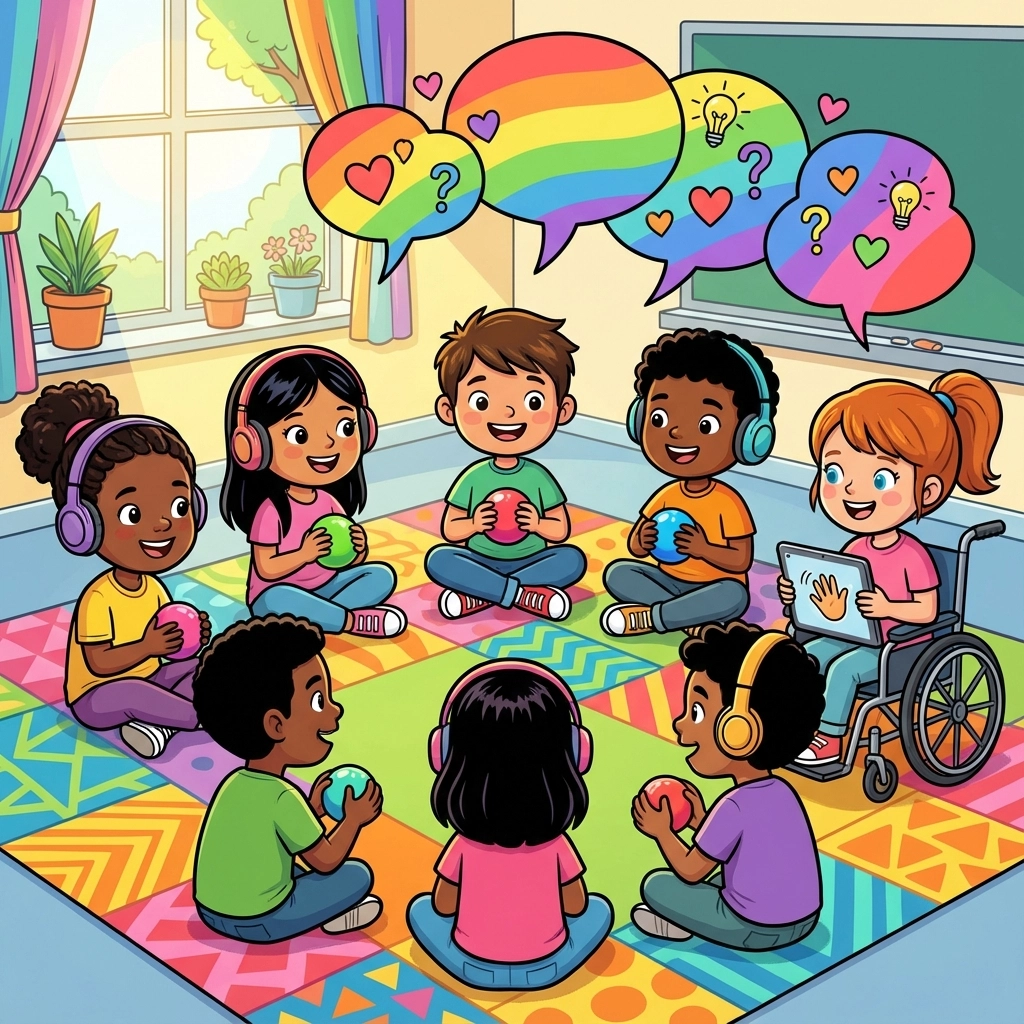
When explaining ADHD, try: "Some people's brains are like race cars: they go really fast and sometimes need extra help with braking. That's why some kids might fidget or have trouble sitting still." For anxiety: "You know how you feel butterflies in your stomach before a big test? Some people feel those butterflies more often, and it can make everyday things feel scary."
The key is emphasizing differences, not deficits. Frame disabilities as variations rather than problems. "Everyone's brain works a little differently. Some people think in pictures, some in words, some need quiet, and some like to move around. That's part of what makes people interesting and special."
Real Conversation Starters That Actually Work
Instead of waiting for awkward moments to arise, create natural opportunities for these discussions. Here are proven conversation starters that feel organic rather than forced:
During daily observations: "I noticed Emma in your class wears headphones sometimes. Did you know some people's ears are extra sensitive to sounds? The headphones help her feel comfortable so she can focus on learning."
While reading together: Choose books featuring characters with disabilities (not just as inspiration stories, but as regular kids having adventures). Ask, "How do you think Alex feels when kids stare at him? What could his friends do to help him feel included?"
After social situations: "Did you notice how quiet Jamie was at the party? Sometimes social situations can feel overwhelming for people, especially those with anxiety or autism. What are some ways we could help someone feel more comfortable?"
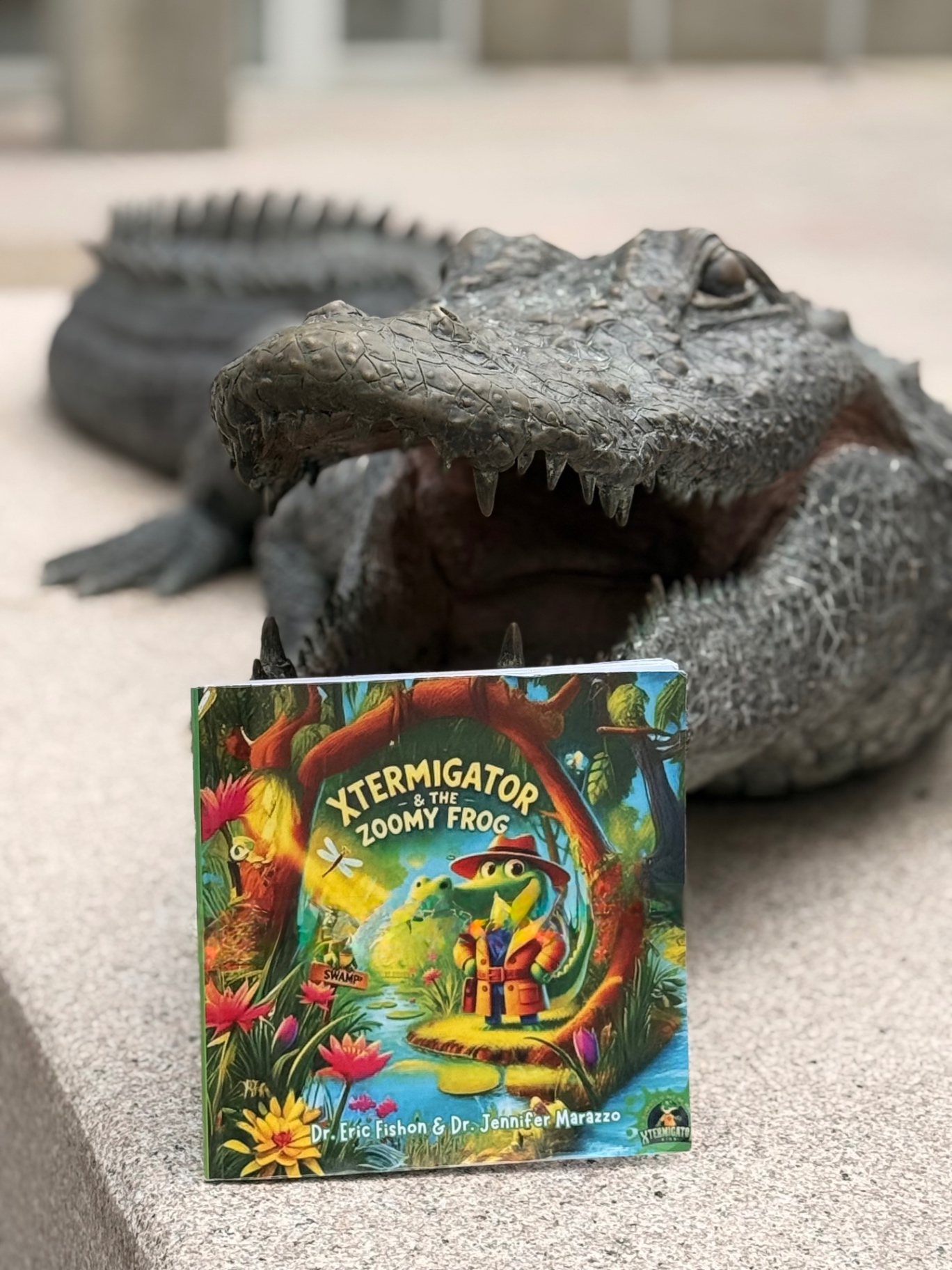
Books like "Xtermigator & the Zoomy Frog" provide perfect opportunities to discuss differences through engaging storytelling
During screen time: When you see characters displaying different behaviors in shows or movies, pause and discuss. "Why do you think that character acts differently from the others? How do the other characters respond? How would you want to be treated if you were that character?"
When Kids Ask the Hard Questions
Children are naturally curious, and their questions about disabilities often come at inconvenient moments. Instead of panicking, use these scripts to turn challenging questions into teachable moments:
When they ask "What's wrong with them?"
Response: "Nothing is wrong: their brain or body just works differently. Some people flap their hands, wear special equipment, or need extra time to process things. These are all ways people take care of themselves."
When they say "That's weird" or "That's stupid"
Response: "I understand it might look unfamiliar to you. When we don't understand something, it's normal to feel confused. But calling someone weird or stupid can really hurt their feelings. Instead, we can be curious and kind."
When they ask "Will I catch it?"
Response: "Disabilities aren't like colds: you can't catch them from being around someone. They're usually something people are born with or develop because of illness or injury. Being friends with someone who has a disability is completely safe."
When they wonder "Can they understand me?"
Response: "Most people with disabilities understand everything you say, even if they communicate differently. Some people use sign language, picture boards, or just need extra time to respond. The important thing is to be patient and respectful."
Building Empathy Through Storytelling
Children connect deeply with stories, making narratives a powerful tool for building understanding about invisible disabilities. Create scenarios that help them imagine different perspectives:
"Imagine you're in a classroom where everyone speaks a different language than you, and the teacher is going really fast. You understand some words, but you feel confused and frustrated. That's similar to how someone with a learning disability might feel when information isn't presented in a way their brain processes best."
"Think about how you feel when you're really tired versus when you've had a good night's sleep. Some people with chronic illnesses feel that tired feeling most of the time, even though they look fine on the outside. That's why we shouldn't judge how someone feels based on how they look."

The Friendly Ferns Swamp characters demonstrate that "Different is beautiful. Together, we are unstoppable"
Creating an Inclusive Family Culture
Beyond individual conversations, you can cultivate an atmosphere where disability awareness naturally flourishes:
Model inclusive language. Replace phrases like "suffers from autism" with "has autism" or "is autistic." Instead of "wheelchair-bound," say "uses a wheelchair." These seemingly small changes reinforce that disability is just one aspect of a person's identity.
Celebrate neurodiversity. Point out the unique strengths that often accompany different neurological wiring. "Did you know many people with autism are incredibly detail-oriented? That's why some of the best computer programmers, artists, and scientists are autistic."
Practice the "pause, ask, listen" approach. When your child encounters someone who seems different, teach them to pause (rather than stare), ask respectful questions when appropriate ("Is there anything I can do to help?" rather than "What's wrong with you?"), and listen to understand rather than to judge.
Highlight commonalities. Help your child find shared interests and experiences with people who have disabilities. "Sarah uses a wheelchair to get around, just like you use your bike. She loves art class just like you do. You both have cats at home."
When Your Own Child Has an Invisible Disability
If your child is the one living with an unseen disability, these conversations take on added importance. Help them develop language to self-advocate and educate others:
"You can tell your friends, 'My brain works a little differently. Sometimes I need breaks or quiet spaces, but I'm still the same person who loves soccer and video games.'"
Teach them that they have the right to privacy about their disability, but also the power to educate when they choose to share. "You don't have to tell everyone about your ADHD, but if you want to help a friend understand why you fidget, you can explain it however feels comfortable to you."
Looking Forward: Raising the Next Generation of Advocates
These conversations aren't just about managing awkward moments: they're about raising children who will create a more inclusive world. When kids understand that everyone has unique challenges and strengths, they're more likely to:
- Form friendships across different ability levels
- Stand up to bullying and exclusion
- Pursue careers in inclusive education, healthcare, or advocacy
- Support accessibility initiatives as adults
- Raise their own children with acceptance and understanding
"The children we're raising today will be tomorrow's teachers, employers, and community leaders," notes Dr. Mitchell. "Every conversation about disability is an investment in a more inclusive future."
As you navigate these discussions with your child, remember that perfection isn't the goal: connection is. You don't need to have all the answers to start meaningful conversations about invisible disabilities. What matters is approaching these topics with curiosity, kindness, and a commitment to seeing every person's full humanity.
The next time your child asks a question about someone who seems different, take a deep breath. You've got this. And with each conversation, you're not just answering their question: you're building their capacity for compassion that will last a lifetime.