
Your daughter asks why her brother gets to skip chores sometimes. Your son wonders why his sister acts "weird" around his friends. Your youngest wants to know why mom and dad spend so much time at doctor appointments with their sibling.
These questions aren't signs of jealousy or bad behavior: they're windows into genuine confusion that deserves real answers.
When a child in your family has an invisible disability (like ADHD, autism, anxiety, dyslexia, or a learning difference), siblings often struggle to make sense of what they're seeing. Unlike a wheelchair or hearing aid, there's nothing visible to point to. And without explanation, kids fill in the blanks themselves: often with fear, resentment, or guilt.
The good news? You don't need a psychology degree to help siblings understand. You just need honesty, consistency, and a few practical strategies.
Here are ten things every parent and caregiver should know.
1. Silence Creates More Confusion Than Honesty Ever Could
Here's what many parents don't realize: children are always watching, always listening, always trying to piece together the puzzle.
If you don't offer an explanation for why their sibling behaves differently or needs extra support, they'll create their own story. And that story might include "Mom loves them more," "My brother is broken," or "It's my fault somehow."
Regular, honest conversations: even brief ones: help siblings feel included rather than isolated from important family information. You don't need to have all the answers. You just need to keep the door open.
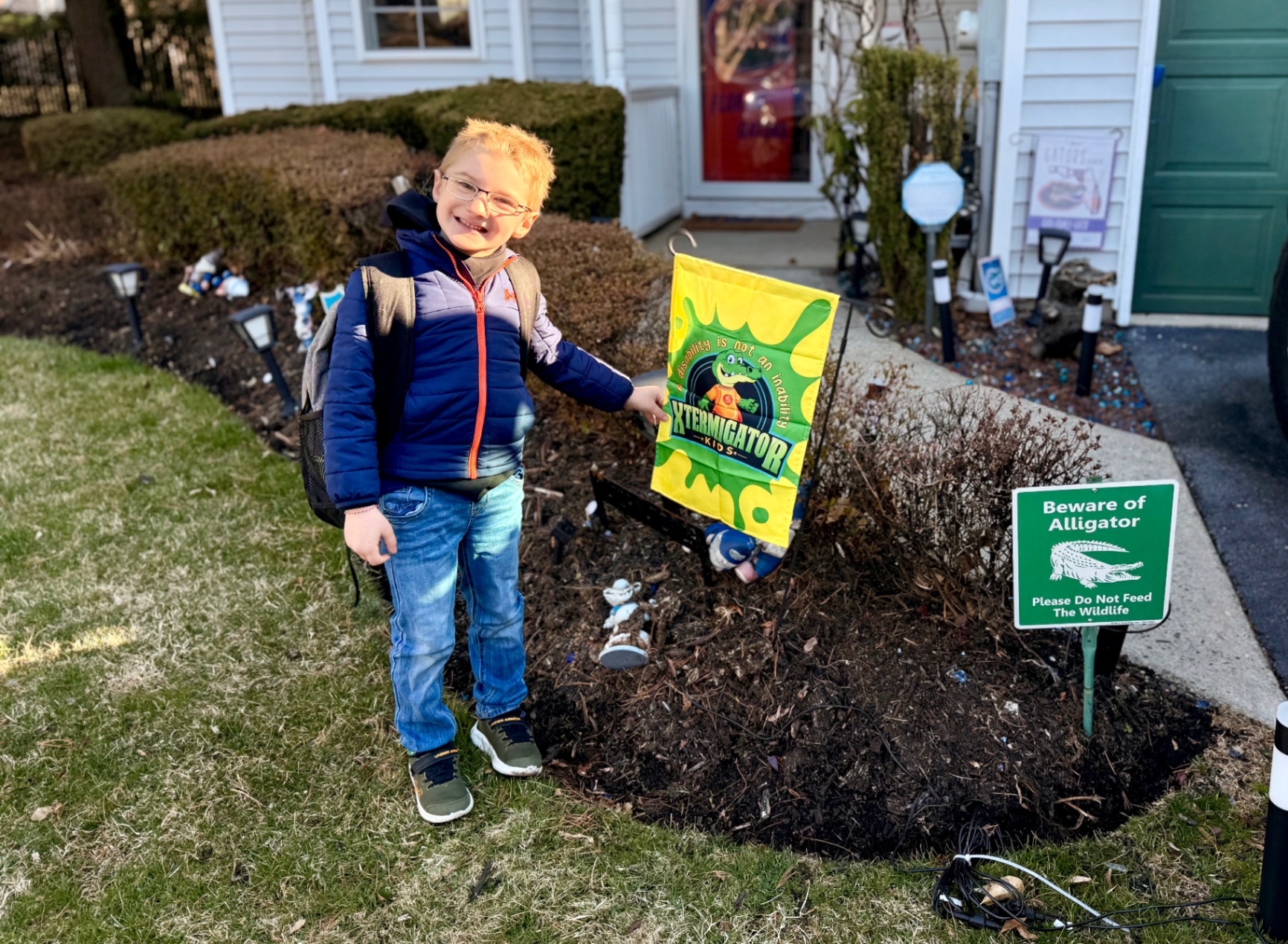
A reminder that disability is not inability: a message siblings need to hear early and often.
2. Age-Appropriate Language Makes All the Difference
A five-year-old doesn't need a clinical breakdown of executive function deficits. But a teenager might actually find that information helpful.
Tailor your explanations to your child's developmental stage. For younger kids, try concrete, simple language: "Your sister's brain works a little differently, so sometimes she needs extra help staying focused." For older kids, you can dive deeper into how invisible disabilities affect behavior, learning, and emotions.
The key is meeting them where they are: not overwhelming them with medical jargon or oversimplifying to the point of confusion.
3. Use the Actual Words (They're Not Bad Words)
Many parents tiptoe around diagnosis names, worried they'll stigmatize their child. But here's the thing: when you treat a word like it's shameful, kids pick up on that energy.
Include the disability name naturally in everyday conversation. When you're heading to a therapy appointment, you might say, "We're going to help your brother work on his ADHD strategies today." When answering questions, use the actual terms: autism, dyslexia, anxiety disorder.
This normalizes the disability and helps siblings understand that their brother or sister isn't "bad": their brain just works differently.
4. Invisible Disabilities Are Just as Real as Visible Ones
This is a big one.
Because invisible disabilities don't come with obvious physical markers, siblings (and peers, and teachers, and even some family members) can struggle to believe they're real. "He doesn't look like anything's wrong" is a phrase many families hear far too often.
Help siblings understand that some disabilities affect behavior, mood, learning, or energy in ways you can't see from the outside. Just because it's invisible doesn't mean it's not real: or that their sibling is faking it.
5. Empathy Is a Skill You Can Teach (and Praise)
Empathy doesn't always come naturally: especially when siblings feel frustrated or left out. But it can absolutely be developed with intention.
When you see compassionate behavior, name it specifically. "I noticed you helped your sister calm down when she was overwhelmed. That was really kind." When frustration bubbles up, validate it first: "I know it's hard when plans change because of your brother's needs. Your feelings make sense."
Over time, siblings learn that they can hold two truths at once: their sibling has real challenges, and their own feelings matter too.
6. Explain Why Things Aren't Always "Fair" (Because Fair Doesn't Mean Equal)
One of the most common sibling complaints? "It's not fair."
And honestly, they're right: things aren't always equal. But fair doesn't mean everyone gets the same thing. Fair means everyone gets what they need.
Be specific and transparent. Explain why you spend more time at therapy appointments, why homework expectations differ, or why some behaviors are handled differently. When siblings understand the reasoning behind family decisions, they're far less likely to feel neglected or confused about fairness.

Different is beautiful. Together, we are unstoppable: a message that applies to families, too.
7. Books and Stories Make Abstract Concepts Click
Sometimes the best explanations come through stories.
Child-friendly books that explore neurodevelopmental differences can help siblings see their family's situation reflected in characters they relate to. Stories create emotional distance that makes tough topics easier to process: and they open doors for questions that might feel too scary to ask directly.
Resources like the XTERMIGATOR KIDS Unseen Disabilities flipbook use swamp characters and engaging narratives to help kids understand invisible disabilities in accessible, non-threatening ways. When Freddie the Zoomy Frog explains why his brain moves so fast, it suddenly makes sense why a sibling might struggle to sit still.
8. Peer Support Groups Reduce Isolation
Here's something many parents overlook: siblings of kids with disabilities often feel incredibly alone.
Programs like Sibshops (designed for siblings ages 8-13) connect kids with peers who truly understand their experience. These groups teach practical strategies for managing sibling relationships while validating the unique emotional labor that comes with being a sibling of someone with special needs.
If your child seems withdrawn, frustrated, or overwhelmed by their sibling's disability, connecting them with others who "get it" can be transformative.
9. Watch for the "Glass Child" Experience
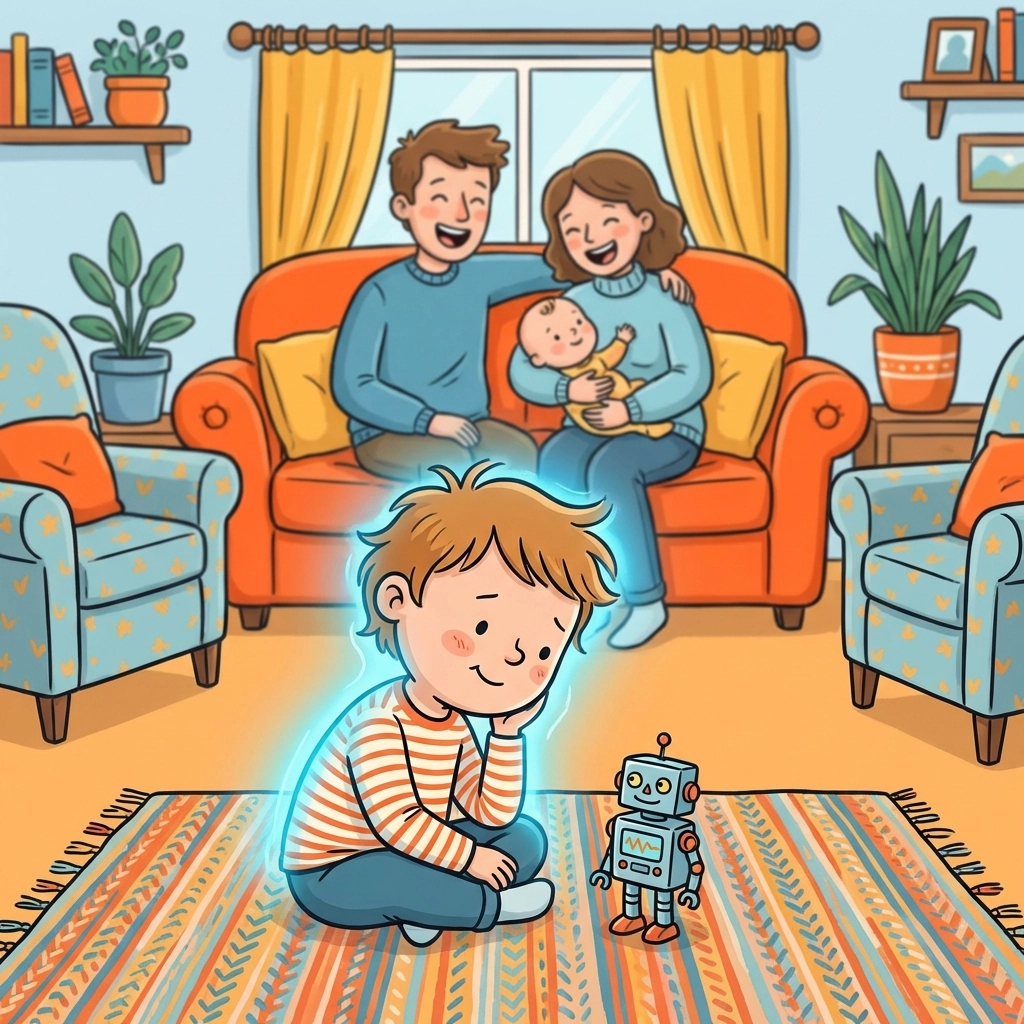
The term "glass child" refers to siblings who become so invisible in the family system that parents almost look right through them: because so much energy goes toward the child with higher support needs.
These siblings often take on extra emotional labor, suppress their own needs, and develop people-pleasing tendencies that follow them into adulthood. They may not complain. They may seem "fine." But underneath, they're carrying a lot.
Check in regularly. Validate their experiences. Consider therapy or support networks specifically designed for siblings. Their emotional well-being matters just as much as their brother's or sister's.
10. Teach Them How to Handle Social Situations
Eventually, siblings will face questions from friends, classmates, and curious strangers. "What's wrong with your brother?" "Why does your sister act like that?"
Without preparation, these moments can feel embarrassing, overwhelming, or isolating. With preparation, they become opportunities for advocacy.
Help siblings develop simple, confident responses they can use when questions come up. Practice together. Role-play tricky scenarios. Empower them to set boundaries when conversations feel intrusive: and to advocate for their sibling when they feel ready.
The goal isn't to turn them into full-time disability educators. It's to give them tools so they don't feel blindsided or ashamed.
The Bigger Picture: Consistency and Openness Win
Across all ten of these strategies, one theme emerges: regular, honest, judgment-free communication is everything.
When siblings feel safe asking questions, expressing frustration, and learning about their sibling's disability over time, they develop deeper empathy, stronger relationships, and healthier coping skills.
They also learn something powerful: that disability is a natural part of human diversity: not something to hide, fear, or feel ashamed about.
At XTERMIGATOR KIDS, we believe a disability is not an inability. And that message isn't just for the kids who have disabilities: it's for their siblings, their classmates, their teachers, and their communities.
Want to explore more resources for helping kids understand invisible disabilities? Check out the Friendly Ferns Swamp characters and discover stories that make tough conversations easier for the whole family.
Because when siblings understand, families grow stronger. And when families grow stronger, communities change.