
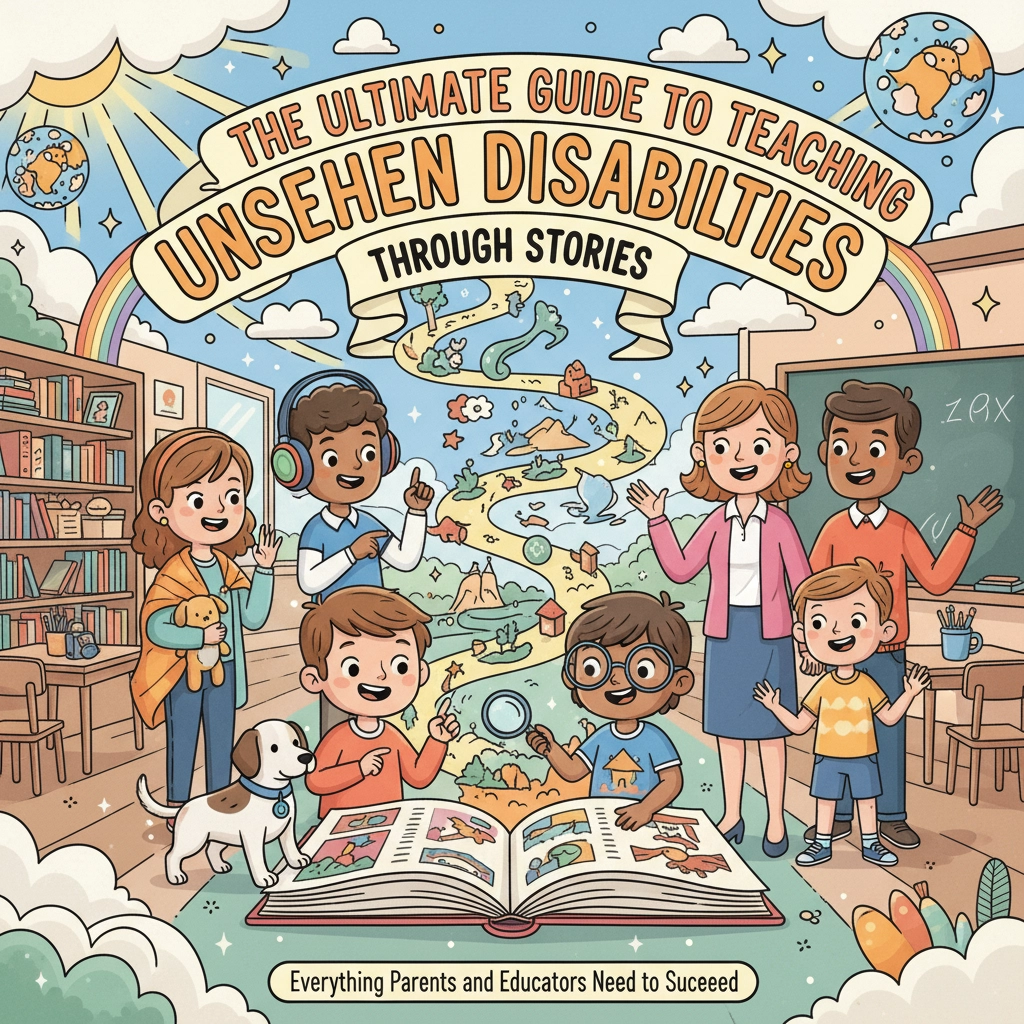
Picture this: Your child comes home from school confused and frustrated. "Mom, why does Alex get to use headphones in class when I don't? It's not fair!" Or perhaps you're an educator watching a student struggle to understand why their classmate needs frequent breaks or uses fidget tools. These moments: filled with genuine curiosity mixed with confusion: represent one of our greatest teaching opportunities.
The challenge isn't that children lack empathy. It's that invisible disabilities exist in a world where young minds naturally expect to see what's different. When someone doesn't use a wheelchair, wear glasses, or have a cast, children assume everything is "typical." This creates a gap between what children observe and what they need to understand about the full spectrum of human neurodiversity.
Why Stories Become Bridges to Understanding
Stories possess a unique power to transform abstract concepts into relatable, human experiences that children can grasp both emotionally and intellectually. "Sharing personal accounts of individuals living with hidden disabilities helps young people understand that these conditions are valid and real, even when they cannot be seen with the naked eye," explains research from disability advocacy organizations.
When we tell stories about characters who experience the world differently: like the adventurous inhabitants of Friendly Ferns Swamp: we're doing more than entertaining. We're fundamentally shifting cultural perceptions of disability from viewing it as something unchanging and purely physical to recognizing it as a dynamic experience that varies day to day.
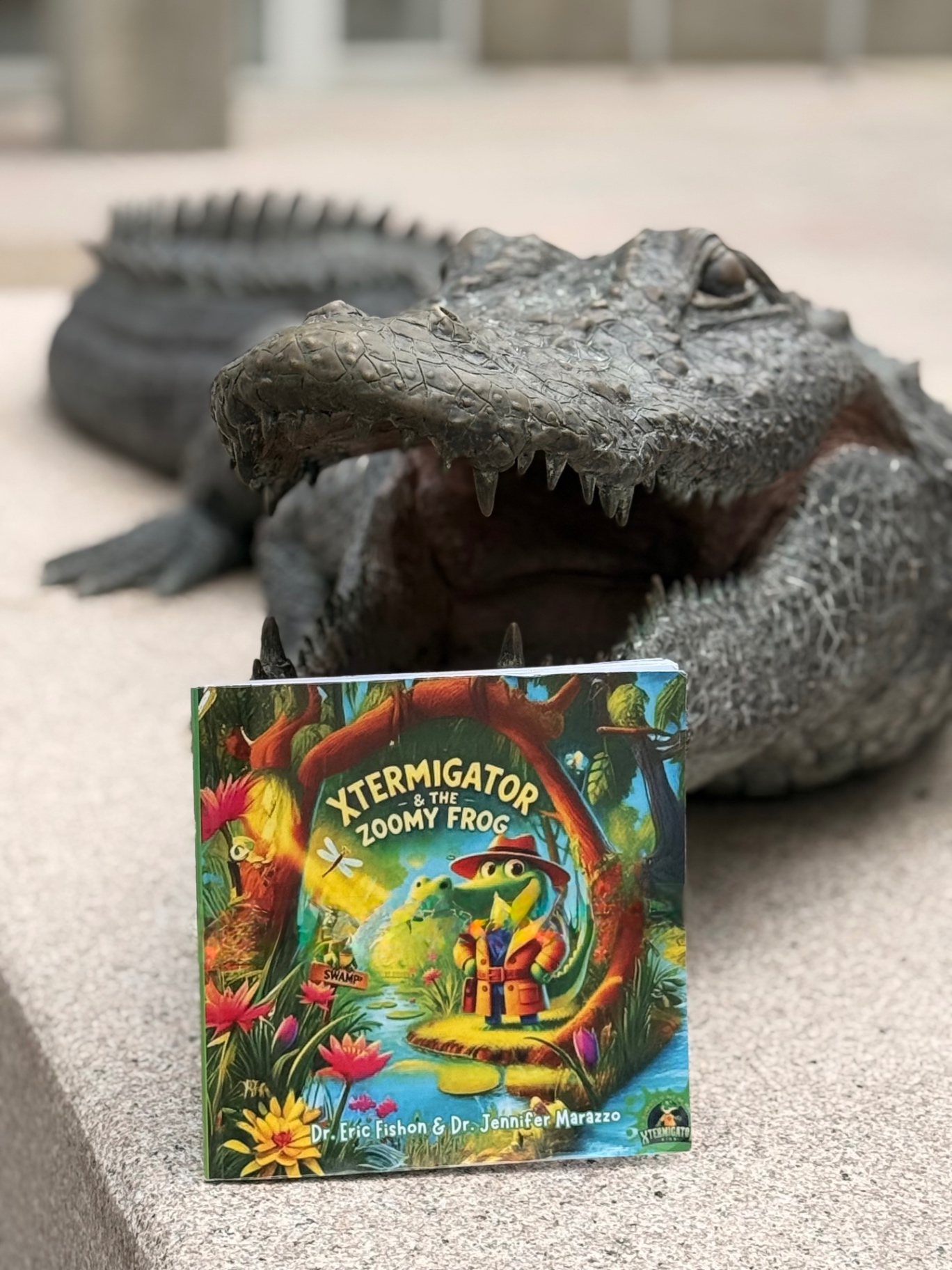
The XTERMIGATOR KIDS approach transforms disability education through engaging swamp characters who demonstrate that differences are natural parts of the ecosystem.
Understanding the Concrete Thinking Challenge
Children are naturally literal thinkers with a concrete understanding of their world. If someone doesn't use a visible aid like a cast or wheelchair, children may assume nothing requires accommodation. "When someone behaves differently: such as having a meltdown, stimming, or needing accommodations: children's first instinct is often confusion or frustration rather than understanding," note child development experts.
This literal thinking isn't a flaw: it's developmentally appropriate. However, it means we must be intentional about building bridges between what children can see and what they need to understand about invisible experiences like ADHD, autism, anxiety disorders, chronic illnesses, and learning differences.
The Power of Relatable Analogies in Storytelling
One of the most effective storytelling approaches involves translating invisible disabilities into concepts children already understand. Consider these narrative frameworks:
The Racing Brain Story: "Imagine if your brain was a racecar, but your brakes were a little slow. That's similar to how some people with ADHD experience their thoughts: they move really fast, and sometimes it takes extra effort to slow down and focus."
The Different Operating Systems Tale: "Just like computers can run different programs, people's brains run different programs too. Some people think in pictures, some in words, some need quiet to process, and some need to move their bodies to think their best thoughts."
These analogies work because they validate rather than pathologize differences. When children understand that variation is natural: like how some flowers need more water or some animals prefer different habitats: they begin seeing neurodiversity as part of life's beautiful complexity.
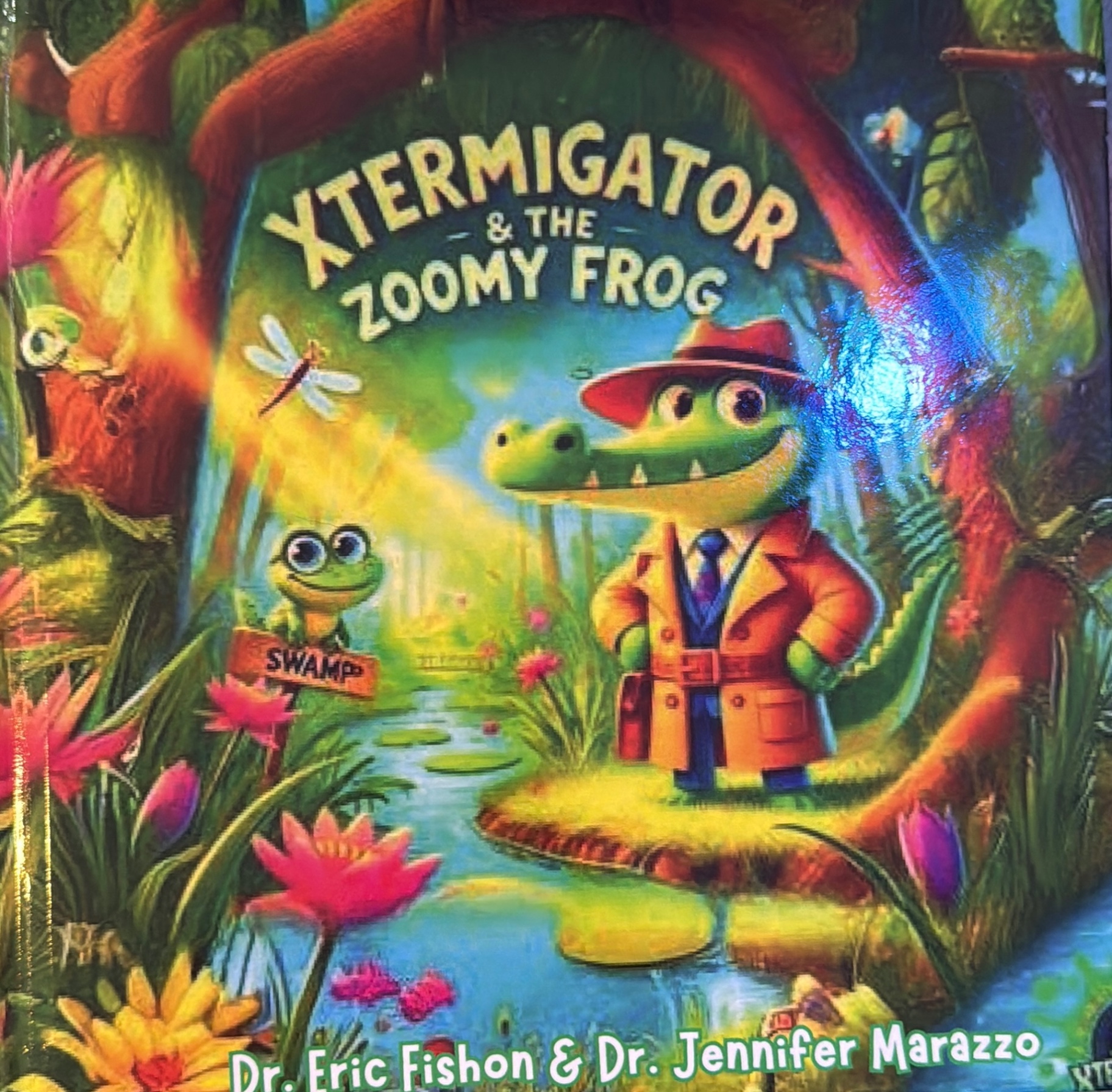
Characters like the Zoomy Frog help children understand that hyperactivity and high energy can be superpowers when channeled positively.
Moving Beyond Deficit-Based Language
The language we use in our stories shapes how children perceive disability. Instead of framing disabilities through limitations, effective narratives focus on neurodiversity and different ways of being. "Explaining that 'everyone's brain works a little differently: some people think in pictures, some in words, some need quiet, and some like to move' normalizes variation as part of human experience rather than pathology," emphasize educational researchers.
Stories that illustrate how people with invisible disabilities succeed and thrive reinforce this perspective. When children read about characters who use their differences as strengths: like a detective who notices details others miss (often associated with autism) or an inventor whose active mind generates creative solutions (reflecting ADHD traits): they learn to see ability within disability.
Responding to Real-Life Questions Through Story Framework
When children notice differences and ask questions: witnessing a peer having a meltdown or using stim toys: these moments become prime teaching opportunities. Rather than saying something is "wrong," storytelling techniques help us explain: "Their brain just works differently, and some people flap their hands or wear headphones to help themselves feel better, just like how some characters in our favorite stories have special tools that help them succeed."
This approach validates the behavior while educating children about accommodations and self-regulation strategies. The key is responding with curiosity and kindness rather than discomfort or dismissal.
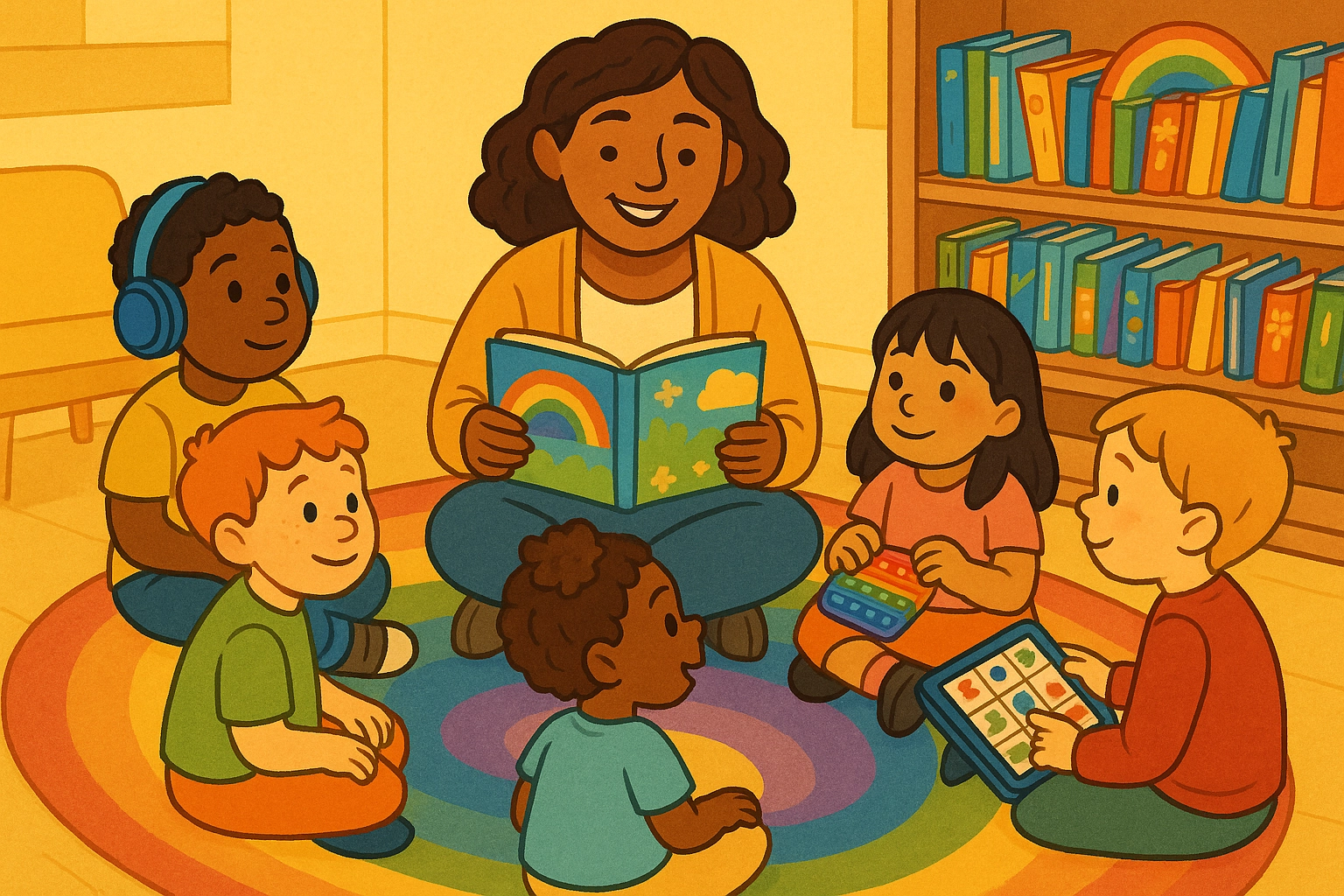
Social Stories: Structured Narratives for Deep Learning
Social stories represent a specialized storytelling tool that breaks down social situations, concepts, or behaviors into manageable, understandable steps. Developed by Carol Gray in the 1990s, these short, descriptive narratives have become cornerstones of support for children with autism spectrum disorder, ADHD, and other developmental differences.
The Structure of Effective Social Stories:
Social stories work because they provide multiple layers of support. They improve social understanding by helping children grasp social cues, expectations, and others' perspectives. They reduce anxiety and stress by providing clear expectations and coping strategies. Most importantly, they enhance communication skills and promote positive behavior support while increasing independence.
Creating Personalized Social Stories:
The most effective social stories follow specific development principles:
- Identify the specific skill or behavior you want to address through observation and collaboration with caregivers
- Choose formats that match learning styles: written, illustrated, or digital depending on the child's preferences
- Write using simple, clear language with a positive tone that describes situations, explains expectations, and provides success strategies
- Incorporate meaningful visuals such as photos, drawings, or symbols that enhance understanding and engagement
Transforming Teachable Moments into Story Opportunities
The most impactful teaching happens in natural contexts: at schools, stores, or playgrounds when children observe someone behaving differently. These real-world moments become opportunities to apply storytelling frameworks. We might explain: "They may have an invisible disability, like autism or a health condition. We might not see it, but they're doing their best: just like the characters in our stories who face challenges with courage."
Real-world applications help children integrate story-based learning into everyday interactions and relationships.
Building Curiosity Over Judgment Through Character Development
The ultimate goal of teaching about invisible disabilities through stories isn't to provide comprehensive medical knowledge: that would overwhelm young learners. Instead, we aim to cultivate "curiosity instead of judgment, and kindness instead of fear," as disability advocates emphasize.
When children learn through engaging characters and narratives that not all disabilities are visible, we gift them deeper compassion and help them see full humanity in others beyond appearances, behaviors, or expectations. Stories enable children to understand that validity doesn't require visibility.
Creating Inclusive Learning Environments
Stories about invisible disabilities serve broader purposes than individual understanding. They create safer, more inclusive environments for all children, including those living with hidden conditions. When educators and parents use narrative approaches consistently, they're building cultures where difference is expected, accommodations are normalized, and every child feels valued.
Consider implementing story-based approaches in these ways:
- Regular story times featuring characters with diverse abilities and challenges
- Interactive discussions where children can ask questions and share observations safely
- Creative activities where children develop their own inclusive characters and narratives
- Community connections linking story learning to real-world advocacy and understanding
Resources and Tools for Continued Learning
Numerous resources support parents and educators in this important work. Books that blend personal stories with practical strategies provide research-based interventions. Podcasts featuring disability advocates offer insights into building resilience, empathy, and self-advocacy skills. Organizations like XTERMIGATOR KIDS create autism-positive materials developed by neurodivergent individuals and allies, ensuring authentic representation in educational content.
The XTERMIGATOR KIDS approach demonstrates how swamp-themed adventures can tackle complex topics with age-appropriate depth, helping children understand that "a disability is not an inability" through engaging, character-driven narratives.
Looking Forward: Stories as Catalysts for Change
Teaching about invisible disabilities through stories represents more than individual education: it's cultural transformation work. Each conversation, each story shared, each moment of curiosity chosen over judgment contributes to a world where neurodiversity is celebrated rather than stigmatized.
As we continue developing these narrative approaches, we create possibilities for children with invisible disabilities to feel comfortable asking for support, for their peers to respond with understanding, and for communities to embrace the full spectrum of human experience. Stories make this abstract goal concrete and achievable, one conversation, one character, and one moment of connection at a time.
The adventure toward greater understanding and inclusion continues in every classroom, home, and community where stories bridge the gap between different experiences and shared humanity.