
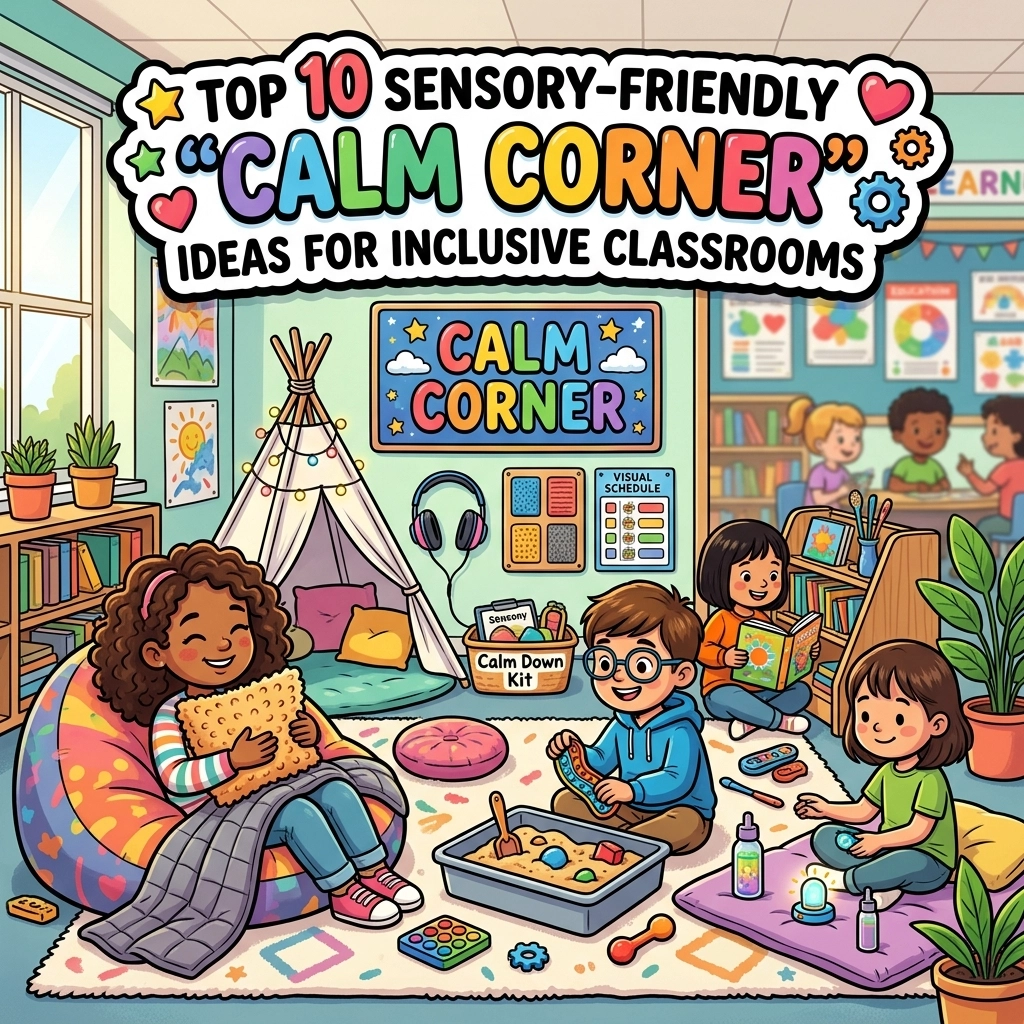
Imagine being in a room where the overhead fluorescent lights hum like a swarm of angry hornets. The air smells sharply of floor wax and old sandwiches, and the person sitting next to you is tapping their pencil with a rhythm that feels like a jackhammer against your skull. For most adults, this is a bad day at the office. For a child with an unseen disability (a neurological or developmental condition that isn’t immediately apparent to others), this is just Tuesday morning in the classroom.
When the sensory "cup" overflows, we see the "Zoomy Frog" effect: fidgeting, emotional outbursts, or total shutdown. Without a dedicated space to recalibrate, these children are often labeled as "disruptive" when they are actually just drowning in stimuli. As Eric Fishon, owner of XTERMIGATOR KIDS, often says, "A disability is not an inability; it's often just a mismatch between the environment and the child’s unique superpower."
Creating a "Calm Corner" (a designated, quiet area where students can go to self-regulate) isn't just a trend in Universal Design for Learning (UDL); it’s a lifeline. By turning a corner of your classroom into a slice of the Friendly Ferns Swamp, you give every child the tools to navigate their own internal weather.
The Emotional Shift: From "Problem Child" to Self-Regulated Hero
Before we dive into the "how-to," we have to talk about the "why." I recently spoke with Sarah, a third-grade teacher who integrated a swamp-themed calm corner last semester. She shared a breakthrough moment with one of her students, Leo, who has ADHD and sensory processing sensitivities.
"Leo used to bolt from the room when the transition to math started. He couldn't handle the noise of thirty kids moving chairs at once," Sarah explained. "After we set up the Calm Corner, he didn't bolt. He walked over to the 'Lily Pad' rug, put on his noise-canceling headphones, and watched a glitter jar for five minutes. He came back to his desk and said, 'My brain was too loud, but now it’s quiet.' Seeing an eight-year-old identify his own needs like that? That’s the superpower we’re trying to build."
This emotional transformation (the shift from external discipline to internal self-awareness) is the goal of every inclusive classroom.
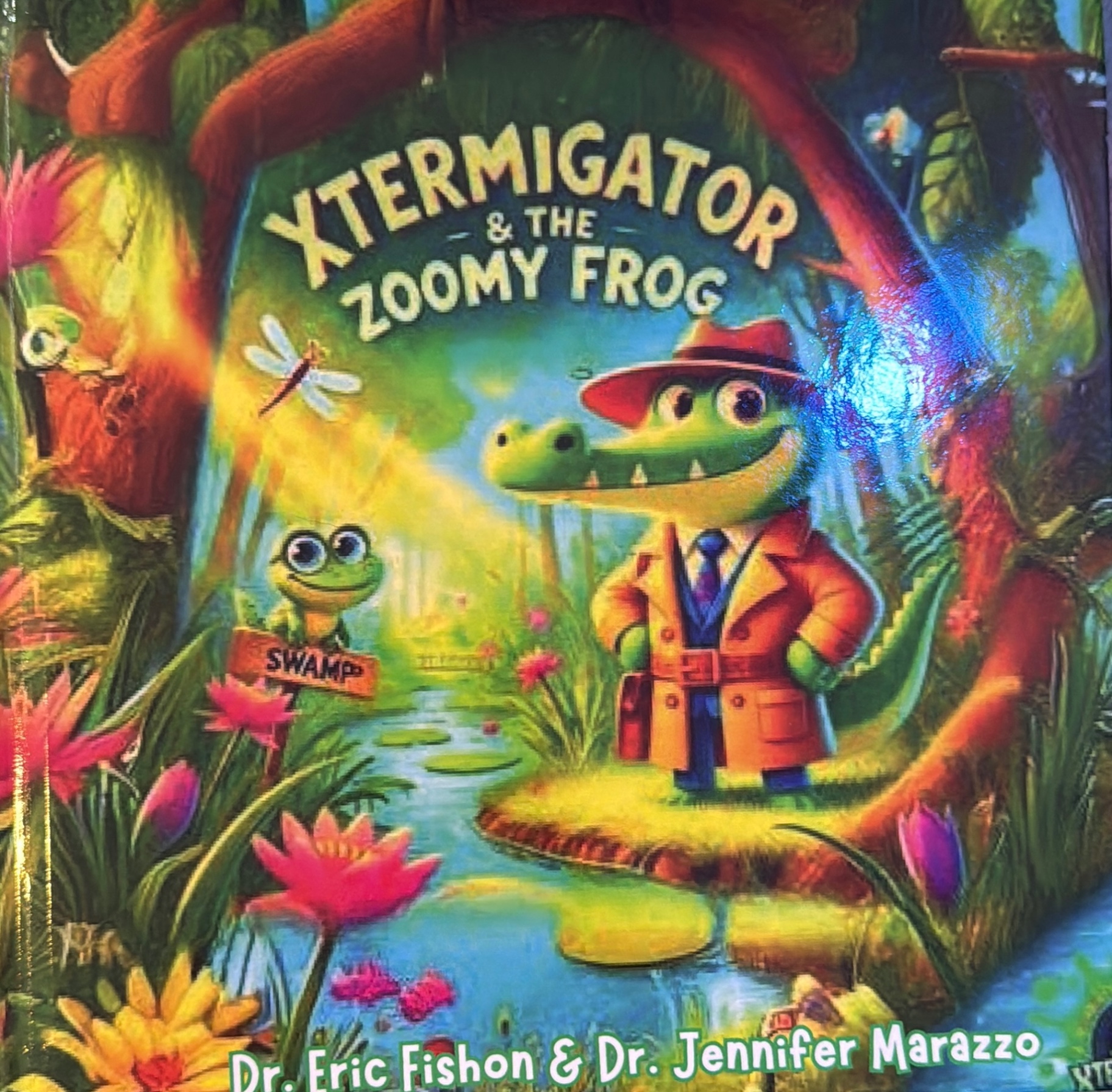
In the Friendly Ferns Swamp, characters like the Zoomy Frog learn that understanding your own needs is the first step toward greatness.
1. Cloud-Like Comfort with "Lily Pad" Seating (Proprioceptive Input)
The first step in any Calm Corner is providing a physical sense of security. Children with sensory needs often crave proprioceptive input (the sensation of pressure on joints and muscles that helps the brain understand where the body is in space).
Instead of hard plastic chairs, think soft, "marshy" textures. Large floor pillows, bean bags, or even a small plush rug can serve as the foundation. We call these "Lily Pads." When a child sits on a bean bag, the foam "hugs" them back, providing a grounding sensation that lowers cortisol levels and calms the nervous system.
2. The Magic of Muted Tones (Visual Hygiene)
Classrooms are often a riot of primary colors: bright reds, yellows, and oranges. While energetic, these colors can be overstimulating for neurodivergent brains. For your Calm Corner, lean into the palette of the Friendly Ferns Swamp: soft mossy greens, cool water blues, and earthy browns.
Using muted colors (colors that have been desaturated or dulled) reduces visual "noise." You can even use a tension rod to hang a light green fabric curtain to visually separate the corner from the rest of the room. This creates a "cocoon" effect that tells the brain, "You are safe here."
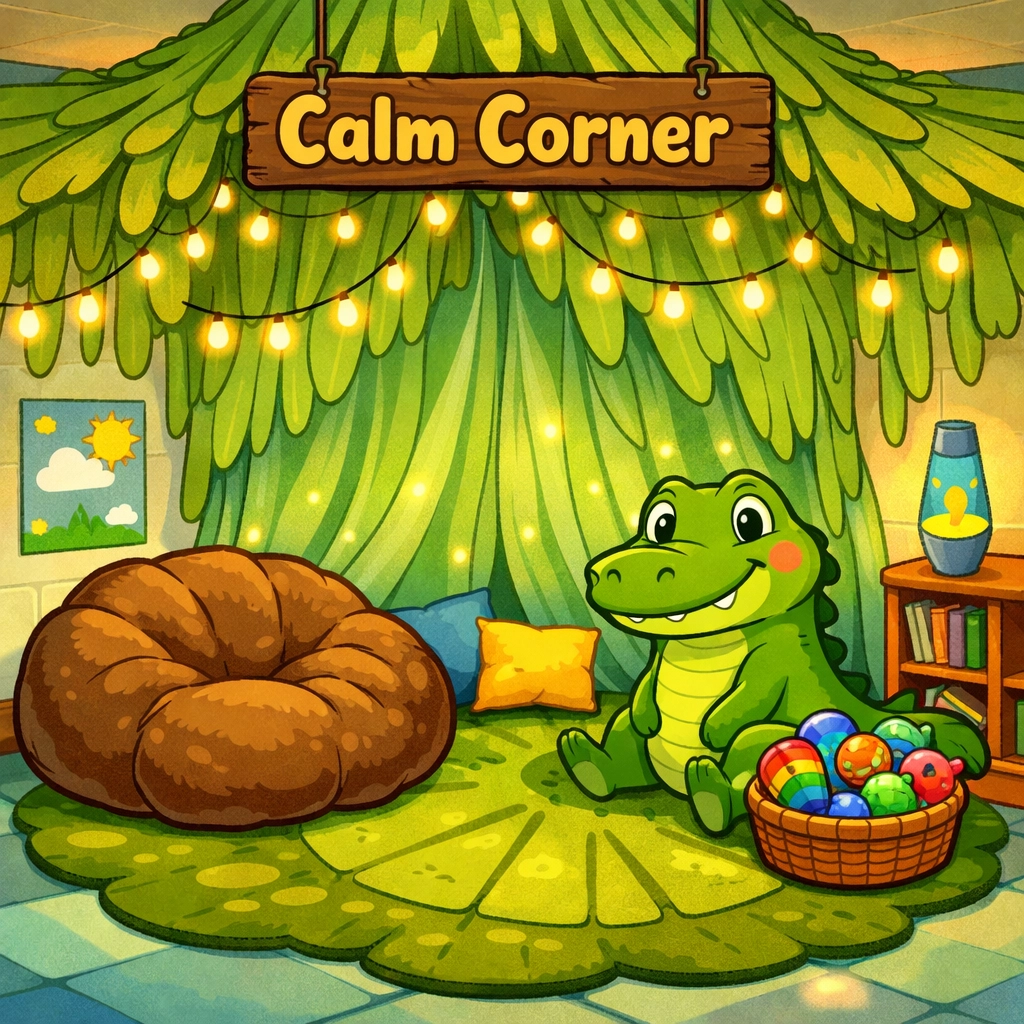
A visual example of a sensory nook using soft greens and blues to create a tranquil, swamp-inspired atmosphere.
3. Soundproofing the Soul (Auditory Regulation)
If you can’t change the noise of the classroom, you have to change how the child hears it. A pair of high-quality noise-canceling headphones is the most powerful tool in the Xtermigator’s kit. Some kids prefer total silence, while others benefit from "brown noise" or "pink noise" (lower-frequency sounds that mimic a rushing river or a wind in the trees).
Providing a small tablet or an old iPod loaded with nature sounds from the swamp can help a child block out the "mosquito buzz" of classroom chatter.
4. Enchanted Glitter Jars (Visual Anchoring)
A sensory bottle: or "Swamp Jar": is a simple DIY tool that works wonders for emotional regulation. Fill a plastic bottle with water, clear glue, and green or silver glitter. When a child is feeling "zoomy," they shake the jar and watch the glitter slowly settle to the bottom.
This serves as a visual metaphor for their emotions. As the glitter settles, their breathing slows down to match the movement. It’s a form of mindfulness (the practice of being present in the moment) that doesn’t require a single word of instruction.
5. Fidgets for "Busy Fingers" (Tactile Engagement)
Fidgeting isn't a sign of boredom; for many, it’s a way to maintain focus. A small basket of tactile tools: stress balls, "Pop Its," or even smooth "worry stones": allows a child to redirect nervous energy.
"We found that giving students a 'swamp-themed' fidget like a stretchy rubber alligator actually helped them stay in their seats during reading time," says Dr. Aris, a pediatric occupational therapist. "It provides the tactile stimulation their brain is craving so they don't have to seek it out by tapping their feet or humming."
6. The "Breathing Leaf" (Guided Respiratory Support)
Deep breathing is the fastest way to "reset" the Vagus nerve (the main component of the parasympathetic nervous system which controls the 'rest and digest' response). In our swamp-themed corner, we use a "Breathing Leaf" visual.
Trace a large leaf shape on a piece of paper. The child traces the edge of the leaf with their finger: breathing in as they go up one side, holding at the tip, and breathing out as they go down the other. It turns an abstract concept like "take a deep breath" into a concrete, tactile task.
7. Gentle Lighting and "Swamp Canopies"
Fluorescent classroom lights are notorious for flickering at a frequency that is invisible to most but agonizing for those with sensory sensitivities. If possible, turn off the overhead lights in the corner and use a small, warm-toned lamp or battery-operated "fairy lights."
You can also create a "canopy" using a piece of sheer green fabric draped from the ceiling. This softens the light and creates a "hidden fort" feeling that provides immediate psychological comfort.
8. The Xtermigator’s Reading Nook (Focused Escapism)
Sometimes, the best way to calm down is to get lost in another world. Keep a small basket of books that celebrate different abilities and kindness. This is a great place to feature titles like Xtermigator & The Zoomy Frog.
When kids see characters who struggle with the same "swampy" feelings they do, it reduces the shame associated with needing a break. You can find more resources on inclusive storytelling in our community forum.
Promoting kindness in the Calm Corner helps students realize that taking care of their own mental health is an act of bravery.
9. Weighted Lap Pads (Deep Pressure Therapy)
A weighted lap pad (a small, heavy blanket or pad filled with beads) can provide the same calming effect as a firm hug. For a child who feels "flighty" or anxious, placing five pounds of pressure on their lap sends a signal to the brain that the body is safe and grounded. It’s a simple addition that can prevent a minor frustration from turning into a major meltdown.
10. The "How Do I Feel?" Interaction Board
The final piece of the puzzle is communication. A simple board with Velcro icons: a grumpy toad, a tired turtle, a zoomy frog: allows a child to "check in" without having to speak. Many children with unseen disabilities experience "situational mutism" (an inability to speak in high-stress situations). Letting them point to a picture of how they feel empowers them to communicate their needs even when words fail them.
Building a Future of Kindness and Inclusion
A Calm Corner isn't a "timeout" spot. It’s not a place for punishment. It’s a sanctuary of self-discovery. When we teach kids that it’s okay to step away and reset, we are teaching them the most important life skill of all: self-advocacy.
As we look toward more inclusive educational systems, the goal is for every classroom to feel like a "Friendly Ferns Swamp": a place where being different isn't just accepted, but celebrated. We hope to see these spaces become as standard as chalkboards or desks.
If you're looking for more ways to support your child's journey, check out our product catalog for tools designed specifically for the unique needs of neurodivergent kids.
A disability is not an inability. By building these spaces of kindness and understanding, we aren't just managing behaviors: we’re raising a generation of kids who know how to take care of their hearts and minds. And that, truly, is an unstoppable superpower.