
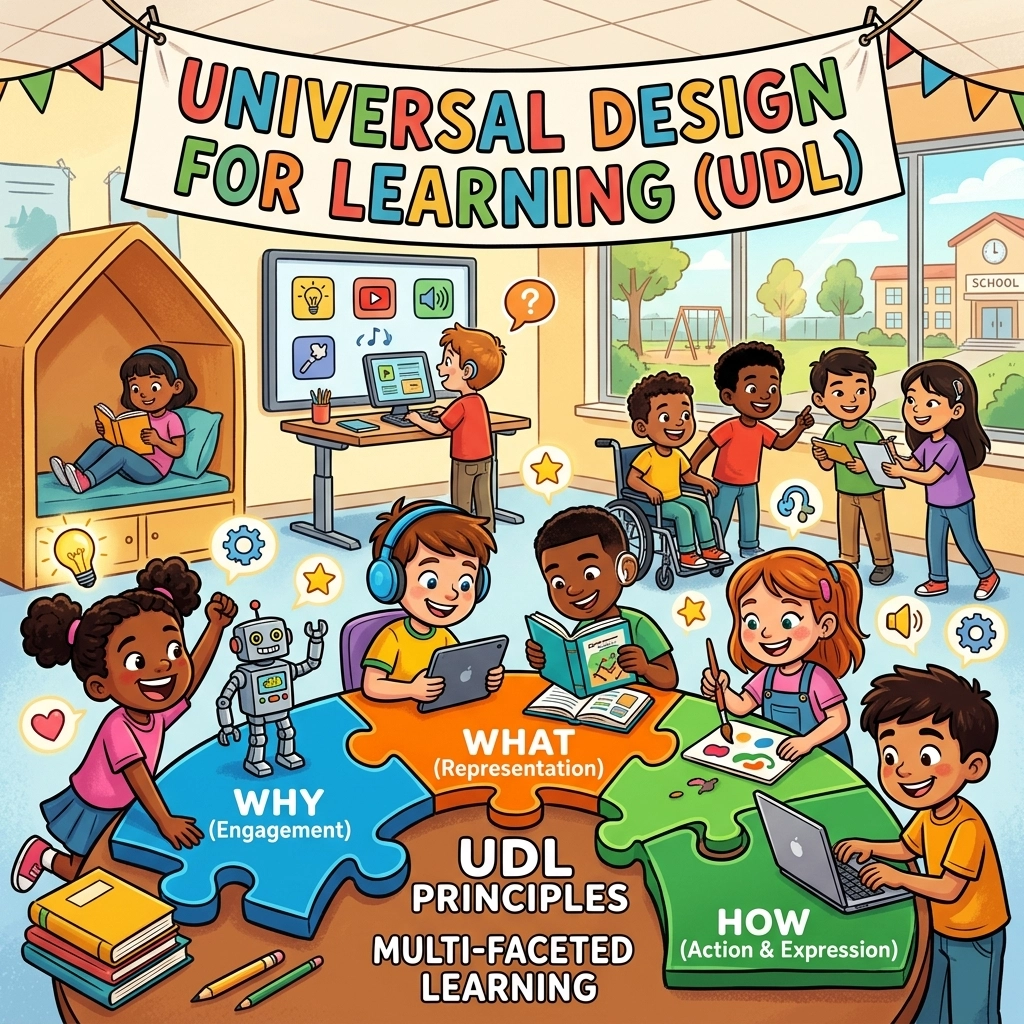
The clock on the classroom wall is ticking, but for ten-year-old Leo, it sounds like a drumbeat of failure. He’s staring at a three-page reading comprehension worksheet. To his teacher, it’s a standard assignment. To Leo, who processes information better through listening and hands-on movement, those black lines of text look like a dense thicket he’ll never be able to hack through. He’s not "incapable," but the environment is currently whispering that he is.
This is the central frustration in modern education: the "one-size-fits-all" approach. When we design a lesson or a classroom for the "average" student, we are actually designing for a ghost. The average student doesn't exist. Instead, we have a room full of unique brains: some that zoom, some that ponder, and some that need to see the big picture before they can focus on the pixels.
At XTERMIGATOR KIDS, we believe that a disability is not an inability. It is simply a different way of navigating the world. That’s where Universal Design for Learning (UDL) comes in. It’s a framework that moves us away from "fixing" the kid and toward fixing the curriculum. Because, as it turns out, when we build a bridge for the student who needs a ramp, everyone: including the kids who can use the stairs: gets to the top faster and with less fatigue.
Universal Design Isn't a Special Education Secret: It’s a Success Strategy
Many parents and educators hear "UDL" and think it’s a specific program for students with IEPs (Individualized Education Programs) or 504 plans. But UDL is much broader than that. It is a revolutionary way of lesson planning that proactively addresses diverse needs during the design stage rather than retrofitting accommodations afterward.
"Students who are not currently earning A's in all classes benefit from UDL because it reduces barriers and allows them to demonstrate learning aligned with their strengths," research shows. It’s about creating a landscape where every child can thrive from the jump.
Kindness isn't just a feeling; it's an action we take when we design spaces: physical and digital: that welcome everyone. Learn more about our mission at https://xtermigatorkids.com.
Think about the "curb-cut effect." Those sloped sections of sidewalks were originally designed for people in wheelchairs. However, once they were implemented, they became essential for parents pushing strollers, delivery workers with heavy carts, and kids on skateboards. UDL is the "curb-cut" of the classroom.
Meet the Swamp Crew: How Diversity Powers Our Learning Community
To understand how UDL works in the real world (or the real swamp!), let’s look at our friends in the Friendly Ferns Swamp. In our stories, like in the book Xtermigator & the Zoomy Frog, we see that a community is only as strong as its ability to include everyone.
Imagine the swamp animals are trying to learn how to track a mysterious footprint.
- The Zoomy Frog might need to hop around while he thinks. If the lesson requires him to sit perfectly still for forty minutes, he’s going to miss the clues.
- Romeo the Otter might need to see a 3D model of the footprint because a flat drawing on a chalkboard doesn't click for him.
- Xtermigator himself, with his detective hat and focused mind, might need to write down his observations in a structured journal.
In a traditional "one-size" classroom, only one of these characters would succeed. In a UDL-inspired swamp, the "teacher" provides a recording of the instructions (auditory), a physical cast of the footprint (tactile/kinesthetic), and a checklist of clues (visual). Suddenly, the Zoomy Frog isn't a "distraction": he’s the first one to find the next clue because he was allowed to move.
As Dr. Paulette Koss notes, UDL is about acknowledging that every brain is uniquely wired. Like fingerprints, no two brains are alike. When we embrace this variability, we don't just help the "different" kids; we make the whole community smarter.
The Triple Threat: Representation, Engagement, and Expression
UDL is built on three core pillars. Don't let the technical terms scare you; they are actually very intuitive once you see them in action.
1. Multiple Means of Representation (The "What" of Learning)
This is about how we present information. Some kids are visual learners, some are auditory, and some need to touch things.
(Contextual Note: Representation means giving students more than one way to soak up the knowledge. If they can’t read the textbook, can they listen to an audiobook? Can they watch a video?)
2. Multiple Means of Engagement (The "Why" of Learning)
This is about tapping into a child’s interests and keeping them motivated. Some kids love a challenge; others need to know how the lesson applies to their real life.
(Contextual Note: Engagement is about fueling the 'affective networks' of the brain: the part that decides if something is worth paying attention to.)
3. Multiple Means of Expression (The "How" of Learning)
This is my favorite part. It’s about how kids show what they know. Does every test have to be multiple-choice? Could a student build a Diorama? Could they record a podcast episode?
(Contextual Note: Expression allows a student who struggles with written motor skills to still prove they understand the complex science of the swamp through verbal storytelling.)
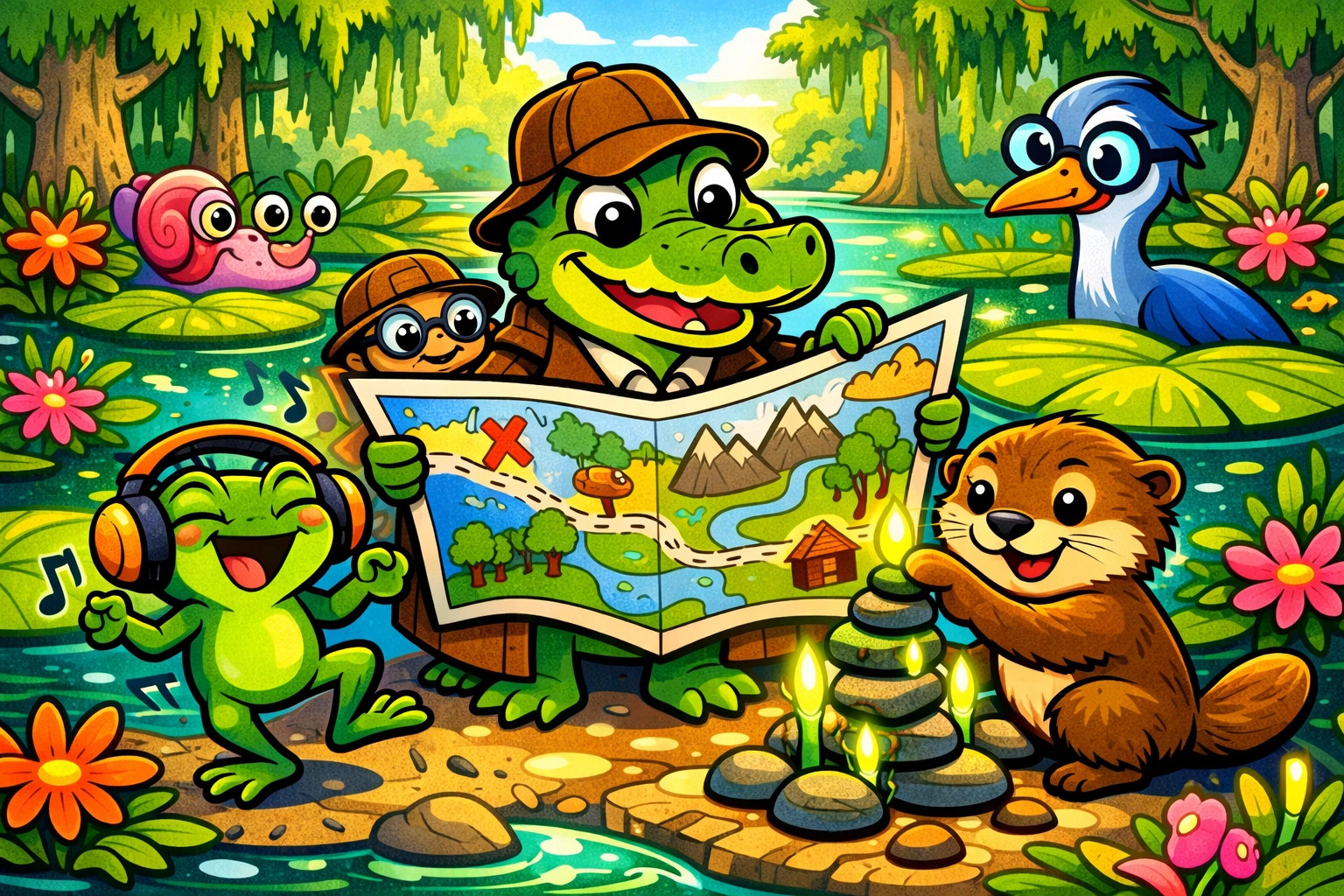
A visual representation of the three pillars of UDL: Representation, Engagement, and Expression, shown through colorful swamp-themed icons.
From "Can't Do" to "Can't Stop": The Emotional Shift of UDL
The real magic of UDL isn't in the test scores: though those usually go up, too. It’s in the emotional transformation of the students. When a child who has spent years feeling "behind" or "slow" suddenly finds a way to access the material that clicks with their brain, their entire posture changes.
I remember a story from a teacher in our Community Forum about a student who never participated in history class. The teacher shifted to a UDL model and allowed students to submit their final projects as either an essay, a poster, or a "living wax museum" performance. This student, who had severe dyslexia, chose the performance. He showed up in full costume, having memorized three pages of biographical facts because he didn't have to worry about the barrier of writing them down on a timed exam. He didn't just pass; he became the class expert.
"UDL enhances the overall learning experience for everyone: not just providing access to students with disabilities, but improving instruction through meaningful support and assignment options that give all students ownership of their learning," says one educational researcher. That ownership is what turns a reluctant learner into a lifelong explorer.
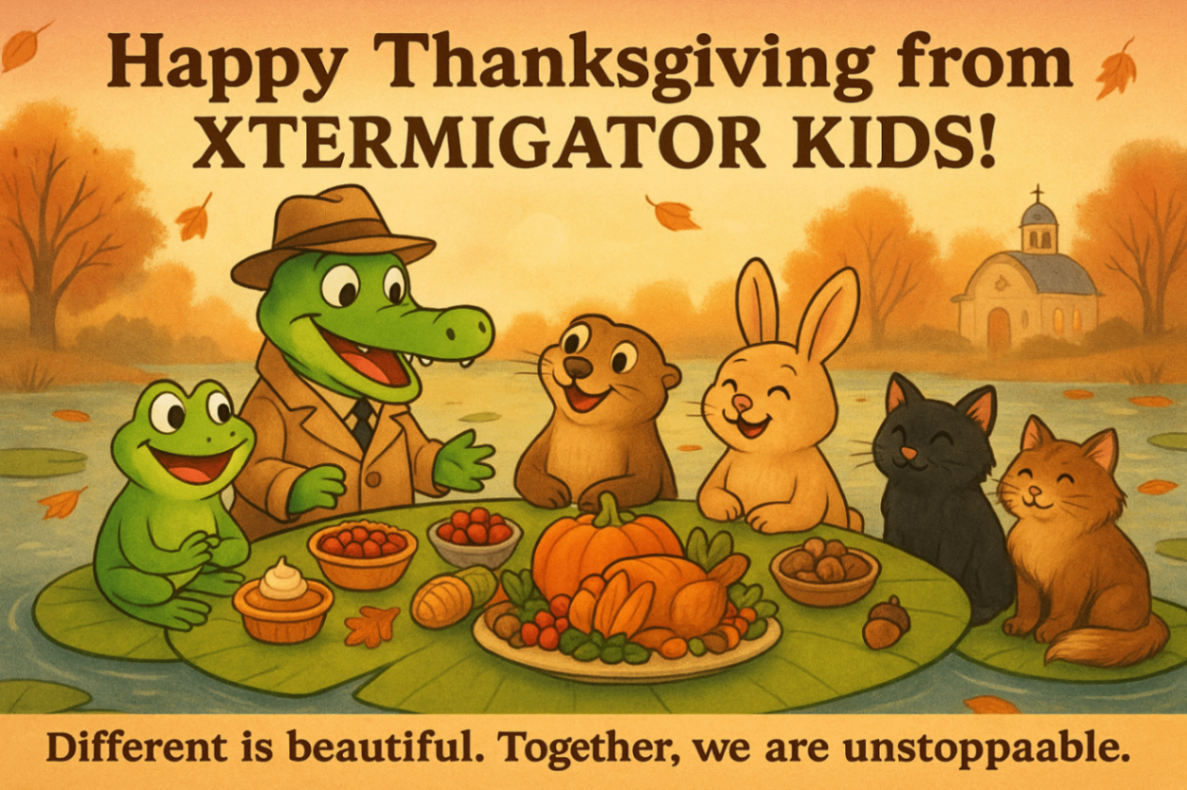
Different is beautiful. Together, we are unstoppable. Our swamp characters show that when everyone’s needs are met, the celebration is much bigger and better for everyone.
Why This Matters for Parents and Educators Today
If you are a parent, you might be wondering, "How do I advocate for this?" It starts with a conversation. Ask your child's teacher: "Are there different ways my child can show they understand this concept?"
If you are an educator, start small. You don't have to overhaul your entire curriculum overnight. Pick one lesson this week and offer two ways for students to engage with it. Maybe they can read the article OR watch the three-minute clip. Watch what happens to the energy in the room.
We see this play out in our Swamp Talk all the time. Parents share how their "Zoomy" kids are finally finding books that speak to them because the stories acknowledge their fast-moving brains as a superpower, not a problem.
Looking Toward a Future Where Every Learner Leads
The ultimate goal of UDL is to develop "expert learners": students who are purposeful, motivated, resourceful, and goal-directed. When we stop trying to hammer every square peg into a round hole, we realize that the square peg has some pretty amazing edges that can reach corners the round peg never could.
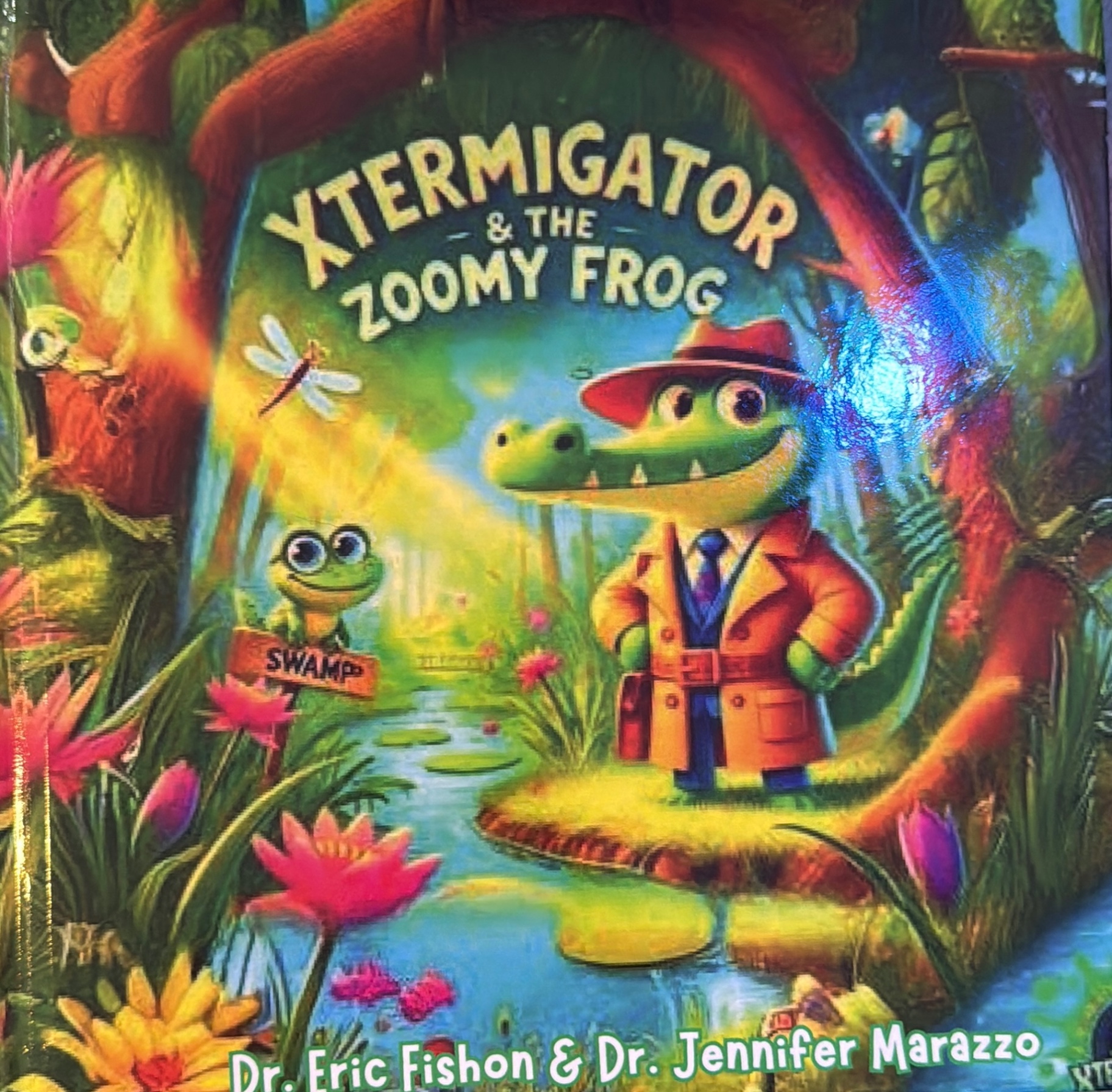
Our stories aim to highlight the courage and kindness found in every kind of learner. Explore our full library at https://xtermigatorkids.com/product-sitemap.xml.
As we look toward the future of education, my hope is that we stop seeing "accommodations" as something we do for "those kids" and start seeing "flexibility" as something we do for all kids. Whether it’s in a classroom in the city or a lily pad in the Friendly Ferns Swamp, every learner deserves a path that was built with them in mind.
Let's build a world where "different" isn't a hurdle: it’s the head start.
Want to join the conversation about inclusive learning and neurodiversity?
Swing by our forums and tell us about a time your child found a "different" way to succeed. We’d love to hear your story!