
We’ve all seen it happen at the playground or in the classroom: a child standing on the fringes, not because they don't want to play, but because the world feels a little too loud, too fast, or too confusing for their unique brain. For parents and educators, the true "Swamp Guardians" of our communities, it can be heartbreaking to watch a child with an unseen disability (like ADHD, autism, or anxiety) struggle to find their place. The "invisible" nature of these challenges often leads to misunderstandings, where a sensory meltdown is mistaken for a tantrum, or a need for movement is labeled as "being disruptive."
The gap between a child's potential and their environment can feel like a murky patch of the Friendly Ferns Swamp, but it doesn’t have to stay that way. As Sarah Miller, a veteran special education teacher and mother of a child with dyslexia, puts it: "Inclusion isn't just about 'inviting' someone to the party; it’s about making sure they have a seat at the table that actually fits them. When we change the environment instead of trying to 'fix' the child, that's when the magic happens."
At XTERMIGATOR KIDS, we believe that a disability is not an inability, it’s your greatest superpower. Here are five practical steps to help you foster inclusion and celebrate the wonderful differences in every child.
1. Shed Light on the "Invisible" Through Storytelling
The first step to inclusion is removing the mystery. Children are naturally curious, and when they don't understand why a friend acts differently, they might fill in the blanks with incorrect assumptions. By talking openly about invisible disabilities (neurological or emotional conditions that aren't immediately apparent to others), we normalize the idea that every brain is wired uniquely.
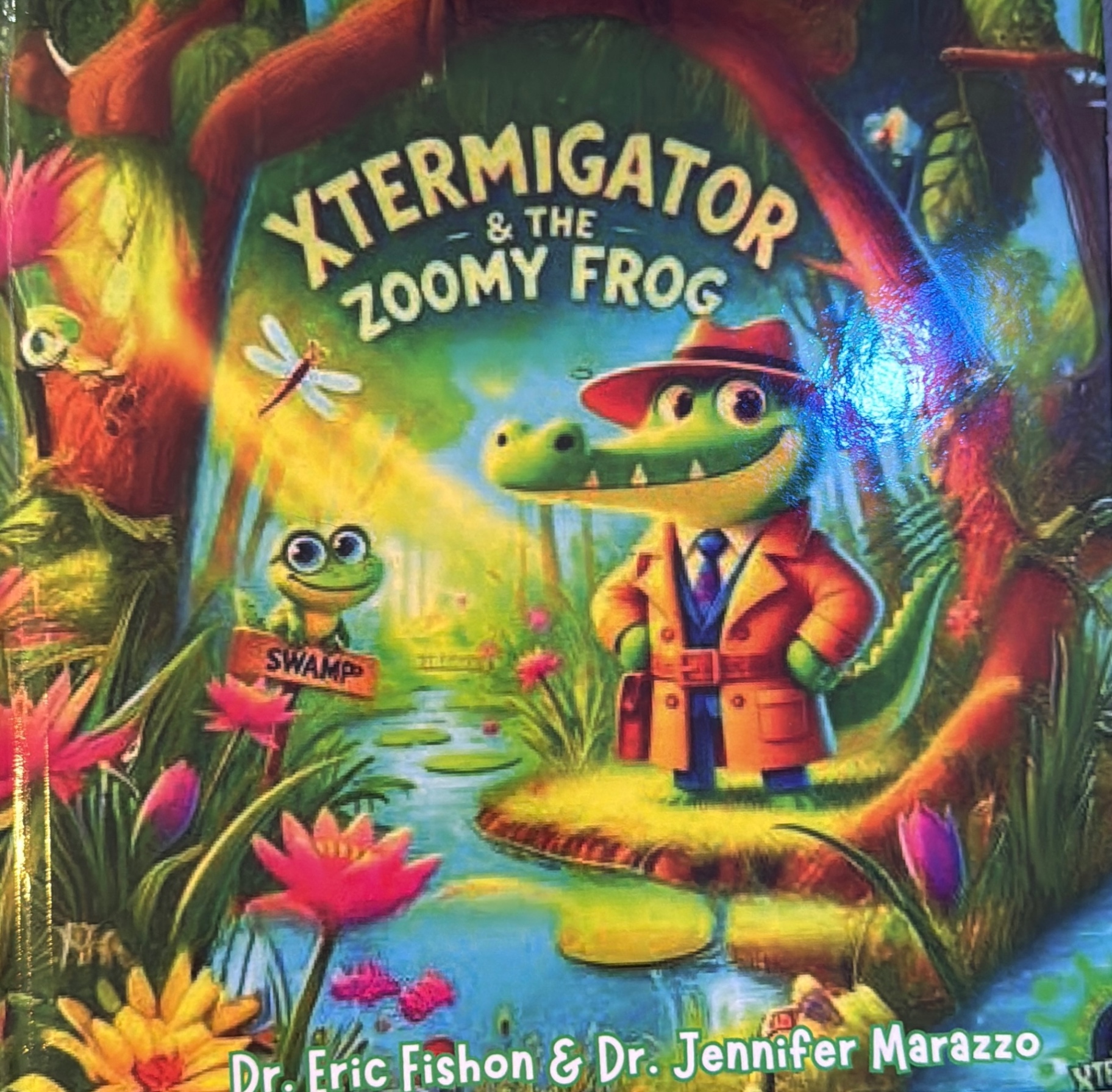
"My son didn't know how to explain why he needed to wear noise-canceling headphones," shares Mike, a community workshop participant. "He felt 'weird' until we read Xtermigator & the Zoomy Frog. Seeing the characters in the Friendly Ferns Swamp face similar hurdles made him realize his brain just processes the world differently, and that's okay. It gave him the words to tell his friends, 'My ears are just super-sensitive today!'"
Using whimsical characters like Shelly the Turtle, who teaches us the power of patience and moving at our own pace, makes these complex topics relatable for young minds.
(Parent Tip: Use our Shelly the Turtle introductory worksheet to start a conversation about how being slow and steady is a strength!)

2. Adapt the Swamp, Not the Creature
Often, what looks like a "behavioral issue" is actually a mismatch between a child’s needs and their environment. Inclusion means being proactive about these mismatches. For a child with ADHD (Attention-Deficit/Hyperactivity Disorder), a traditional desk might feel like a cage. For a child with autism, the flickering of a fluorescent light might feel like a strobe light.
Consider these environmental "swamp upgrades":
- Visual Schedules: Providing a clear, illustrated map of the day helps reduce anxiety (the feeling of worry or unease about what is coming next).
- Flexible Seating: Allow for movement. A wiggle cushion or a standing desk can be a game-changer for a child who needs to move to focus.
- Sensory Sanctuaries: Create a "Cool-Down Corner" where children can go when the sensory input (information received through the five senses) becomes overwhelming.
As one educator recently noted in our Community Forum: "I used to think accommodations were 'extra' work. Now I realize they are the 'essential' work. When I dimmed the lights and added a few fidget tools, the entire class calmed down, not just my neurodiverse students."
3. Model "Upstander" Behavior and Inclusive Language
Kids are like little sponges; they soak up the attitudes of the adults around them. If we treat differences with fear or frustration, they will too. If we treat differences with curiosity and kindness, we empower them to become "Upstanders", kids who stand up for others and actively look for ways to include everyone.
Use person-first language (like "a child with autism" rather than "an autistic child") unless a person expresses a different preference. Avoid labels like "lazy" or "difficult." Instead, describe the struggle: "It looks like your brain is having a hard time focusing on this task right now. Let’s try a different way."
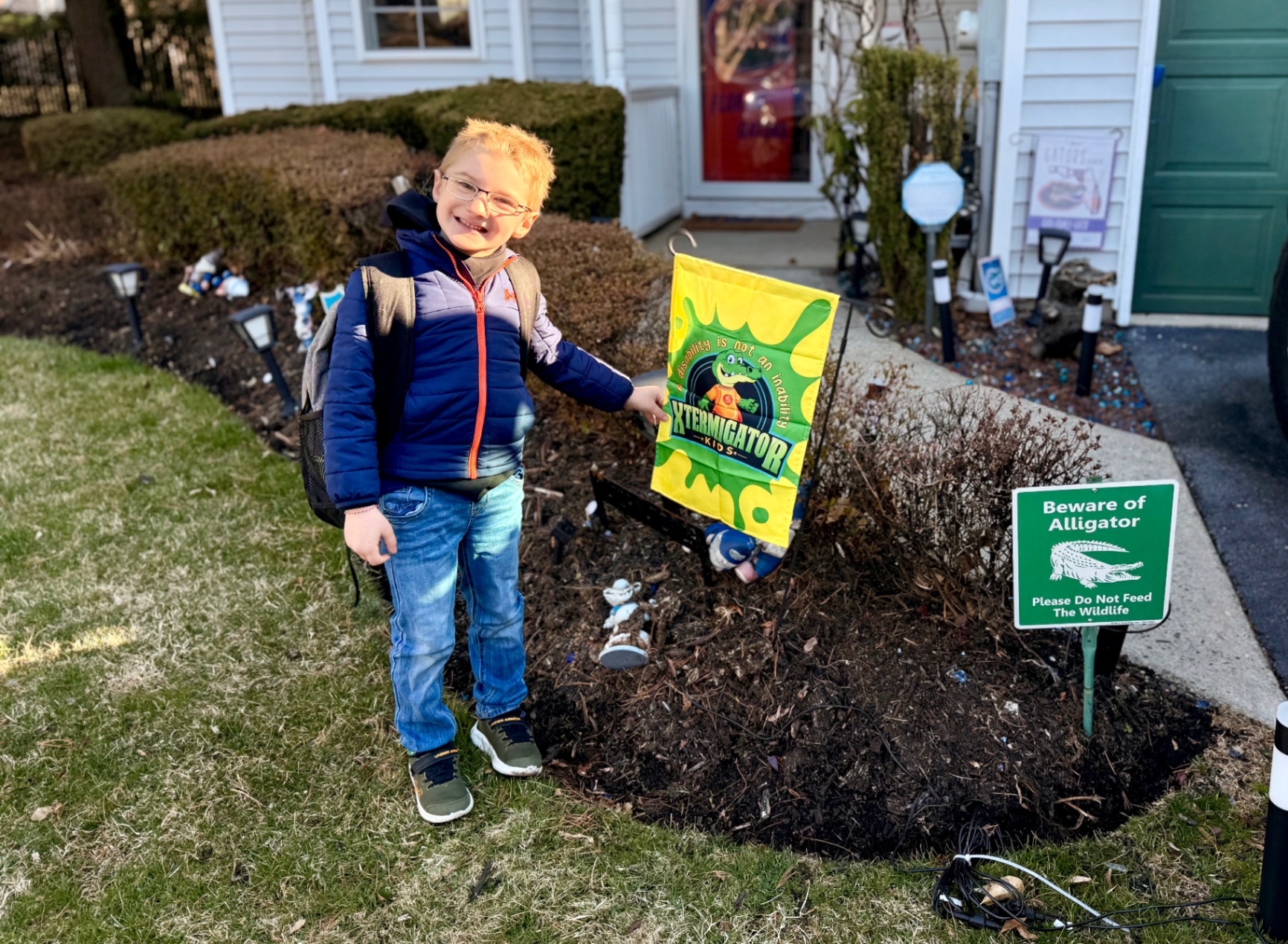
In this photo, a child proudly holds the XTERMIGATOR KIDS flag, reminding us that "A disability is not an inability." This kind of visible support models acceptance for the whole community.
4. Teach Peer-to-Peer "Inclusion Scripts"
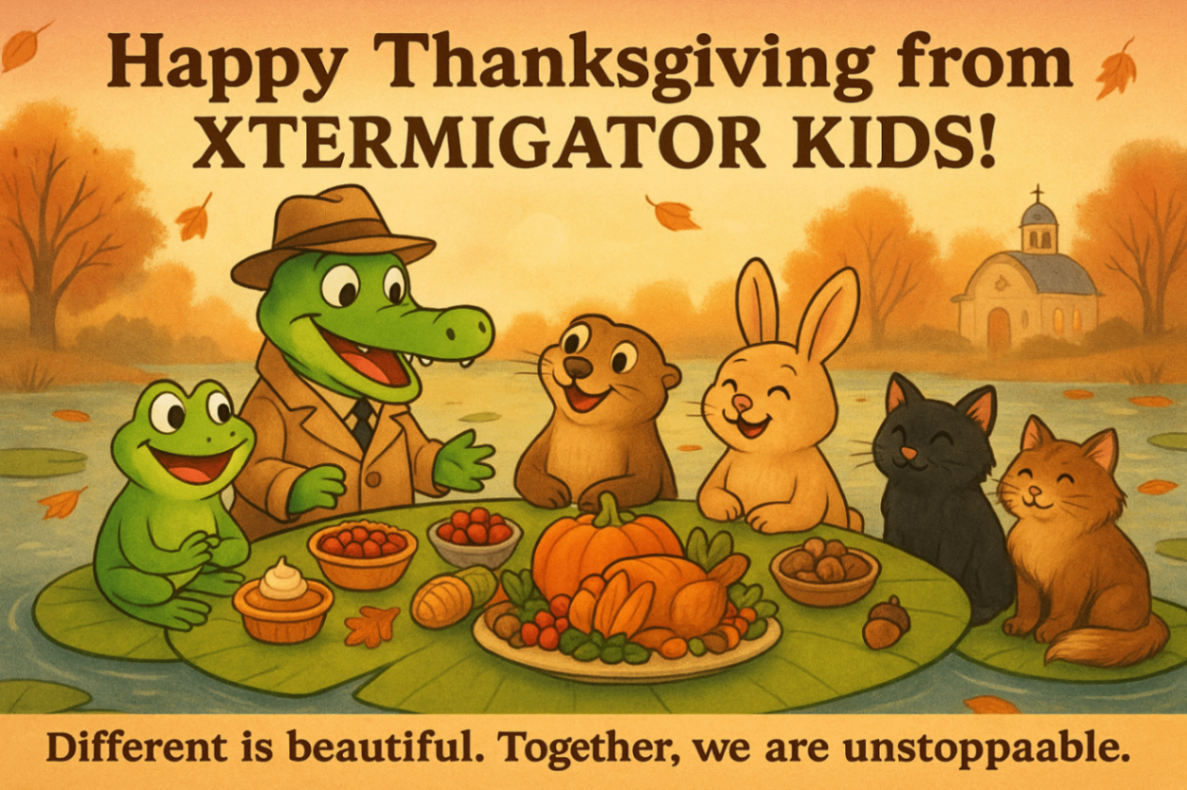
Sometimes kids want to be inclusive but don't know how. Teaching them specific "scripts" or actions can bridge the gap. In the Friendly Ferns Swamp, characters like Tebow the Cat (who is known for his calming strength and loyalty) show us how to be a steady friend.
You can teach children simple phrases to use:
- The Invitation: "Hey, do you want to play with us? We're building a fort!"
- The Check-In: "Is it too loud in here for you? We can go play outside instead."
- The Support: "I can help you with the instructions if you want."
Inclusion is a skill that must be practiced. "We started a 'Kindness Captain' program," says Head of School, Dr. Aris. "We specifically taught students how to recognize when someone was feeling left out. We saw a massive shift in playground dynamics. The children with executive function challenges (the mental skills that help us plan and focus) felt safer to try new things because they knew their peers had their backs."
5. Celebrate Superpowers and Identity
Finally, we must move beyond "tolerance" and into "celebration." Every child has a superpower. For a child with autism, it might be an incredible eye for detail or a deep knowledge of a specific subject. For a child with ADHD, it might be boundless creativity and out-of-the-box problem-solving.
Highlighting these strengths builds self-esteem and changes the narrative from what a child can't do to what they can contribute. At XTERMIGATOR KIDS, our mission is to show that our differences are what make the Friendly Ferns Swamp: and our world: beautiful.
"The moment my daughter saw herself in a character who was brave AND had anxiety, her whole posture changed," says Maria, a parent. "She stopped hiding and started leading. She realized her heart was her greatest asset."
(Context: Our Xtermigator Kids logo features an 'S' for Superpower, a constant reminder of the strength within every child.)
Looking Toward a Brighter, More Inclusive Swamp
As we look to the future, our hope is that every school, home, and community center becomes a place where "Swamp Guardians" are equipped with the tools to support every kind of brain. We envision a world where neurodiversity (the concept that brain differences are natural human variations) is not just accepted but sought after for the unique perspectives it brings.
Whether you are a teacher looking for inclusion programs or a parent seeking a personalized tutoring session, remember that every small step you take toward inclusion makes a ripple in the pond.
Together, we can ensure that every child: no matter how their brain works: feels like the hero of their own story. Because in the Friendly Ferns Swamp, we know one thing for sure: different is beautiful, and together, we are unstoppable.