
The bell rings, the fluorescent lights hum with a high-pitched buzz that most people don’t even notice, and thirty pairs of feet are scuffing against the thin carpet. For most students, this is just Tuesday. But for a student like the Zoomy Frog: our favorite high-energy character from the Friendly Ferns Swamp: this environment feels less like a classroom and more like a physical assault on the senses. You see the signs before the "explosion" happens: the frantic tapping of a pencil, the glazed-over eyes, or the sudden, inexplicable urge to hide under a desk.
"I used to think a student was just being 'difficult' or 'defiant' when they wouldn't stay in their seat," shares Sarah Jenkins, a primary school educator with twelve years of experience. "It wasn't until I looked at the room through a sensory lens that I realized the environment was actually working against them. When the humming of the lights starts to sound like a swarm of bees, Zoomy Frog just can’t hear my instructions anymore. He’s not being bad; he’s overstimulated."
This is the reality of the modern classroom. We are asking neurodivergent students: those with ADHD, Autism, or Sensory Processing Disorder (SPD): to perform complex academic tasks while their nervous systems are in a state of high alert (the "fight, flight, or freeze" response). If we want to move from mere awareness to true engagement, we have to change the landscape.
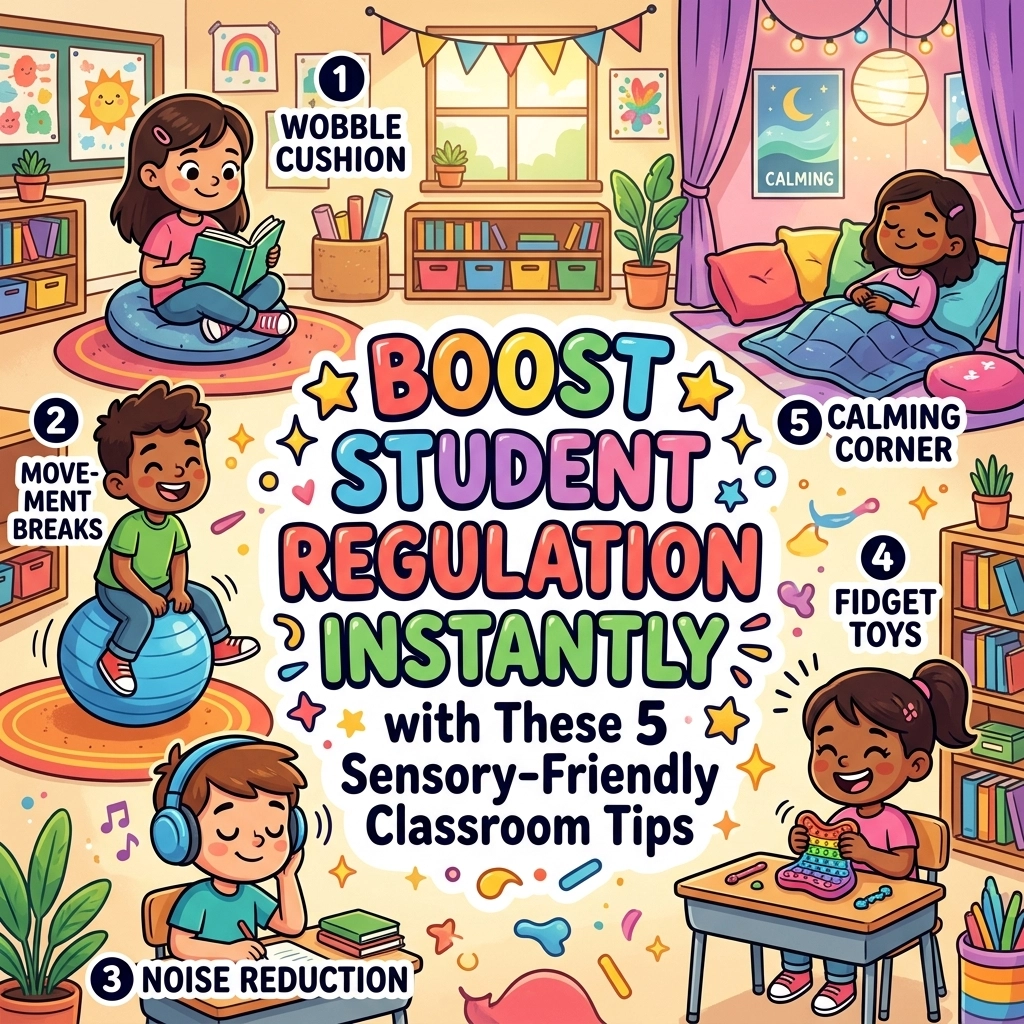
Here are five sensory-friendly tips you can implement today to help your students regulate their internal "swamp" and get back to the joy of learning.
1. Retreat to the Reeds: The Magic of the Calm Corner
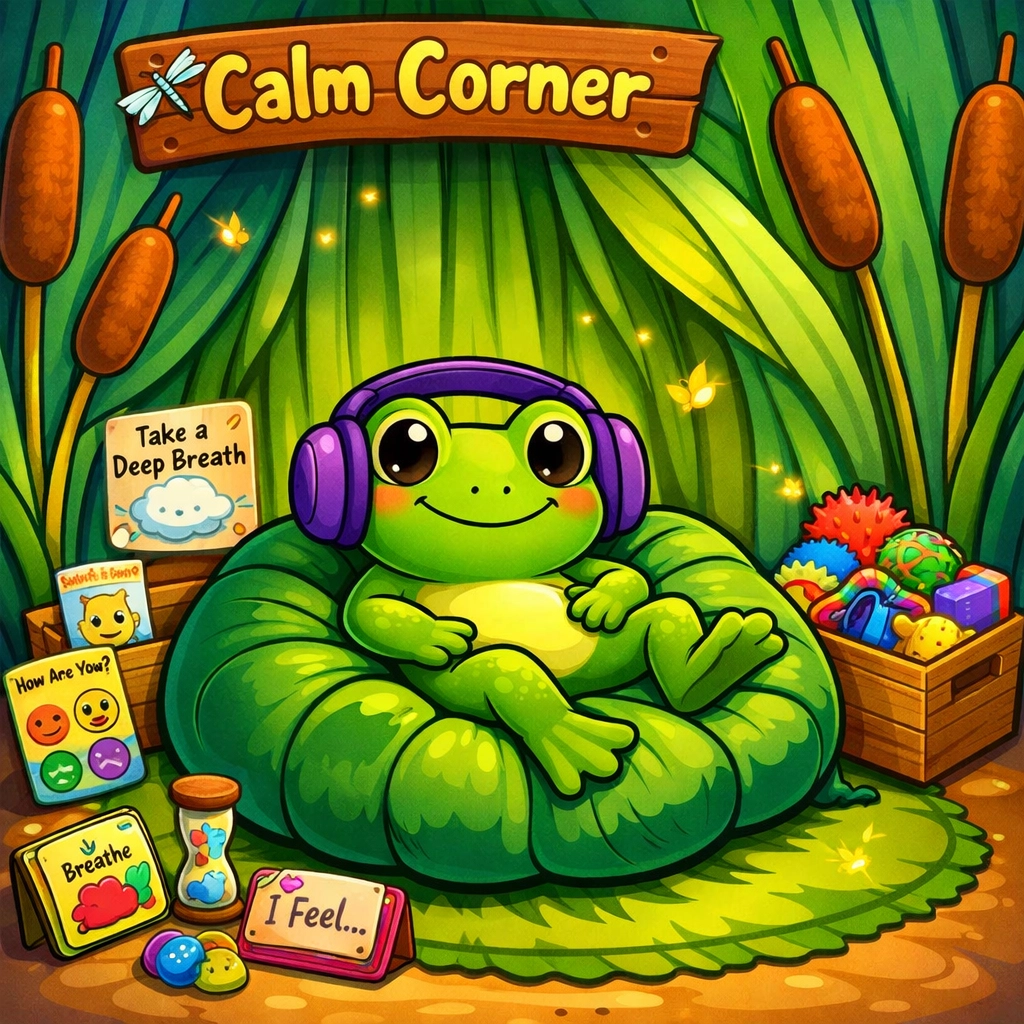
Every swamp needs a quiet thicket where a critter can hide when things get too loud. In the classroom, we call this a "Calm Corner" or a "Sensory Reset Station." This isn't a "time-out" spot; it’s a proactive tool for self-regulation (the ability to monitor and manage your energy states, emotions, thoughts, and behaviors).
When Zoomy Frog feels his internal engine revving too fast, he knows he can hop over to a designated corner equipped with a bean bag, noise-canceling headphones, and a few weighted lap pads. These tools provide deep pressure touch (a form of tactile input that often has a calming effect on the nervous system).
"The moment we introduced the 'Lily Pad Lounge' in my room, the frequency of meltdowns dropped by half," Sarah notes. "Students started recognizing their own triggers. They’d raise a hand and say, ‘I need a five-minute reset,’ and they’d come back ready to work."
Caption: Creating a physical boundary, like a small tent or a curtained-off area, helps reduce visual overstimulation.
2. Dimming the Dazzle: Managing Environmental Overload
Did you know that standard fluorescent classroom lighting flickers at a rate that is invisible to most, but highly distracting (and even painful) to some neurodivergent brains? This flickering can cause headaches, eye strain, and a general sense of irritability.
At XTERMIGATOR KIDS, we advocate for "softening" the environment. If you can't turn off the overheads entirely and rely on natural light from windows, consider light filters: blue or cloud-patterned fabric covers that magnetically attach to the light fixtures.
"Changing the lighting was the single most cost-effective thing I did," says Mark Thorne, a middle school special education teacher. "The energy in the room shifted instantly from frantic to focused. It’s like the students finally felt they could breathe."
(Environmental modifications are often the easiest 'quick wins' in a classroom setting because they don't require the student to do anything differently; the room does the work for them.)
3. The Active Seating Revolution: Letting Kids Move to Think
We’ve all seen the student who tips their chair back on two legs or constantly wanders to the pencil sharpener. Usually, these students are seeking vestibular input (the sensory system that provides information about movement and balance). Instead of fighting the movement, embrace it.
Flexible seating options like wobble stools, yoga balls, or even simple "bouncy bands" (heavy-duty latex bands that stretch across the front legs of a desk) allow students to move their bodies without leaving their workspace.
"Different is beautiful, and that includes how we sit," says Eric Fishon, owner of XTERMIGATOR KIDS. "If Zoomy Frog needs to bounce while he’s learning his multiplication tables, let him bounce! The movement actually helps his brain process the information."
When students are allowed to satisfy their sensory needs through "micro-movements," they have more cognitive energy available for the lesson at hand. You can find more discussions on how to implement these tools in our Community Forum.
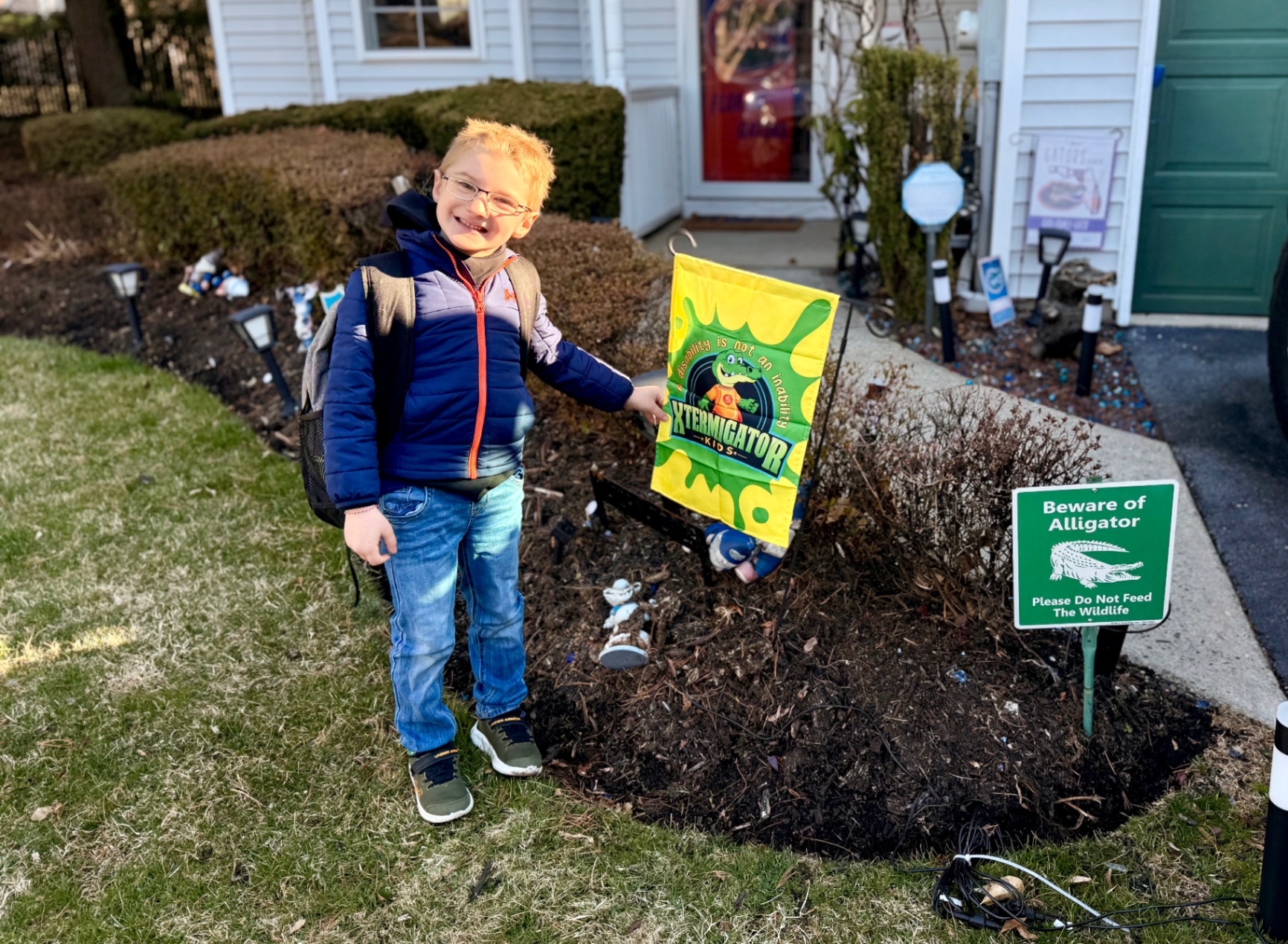
Caption: Promoting an inclusive environment means celebrating the different ways children interact with their surroundings.
4. Heavy Work and Happy Hops: Incorporating Meaningful Movement
Sometimes, a "brain break" needs to be more than just a pause; it needs to be "heavy work." Heavy work refers to activities that push or pull against the body (proprioceptive input). This type of input is almost universally organizing for the nervous system.
If you notice a student becoming dysregulated, give them a "job" that involves heavy work:
- Carrying a stack of heavy books to the library.
- Wiping down the whiteboards with firm pressure.
- Doing "wall pushes" (standing and pushing against the wall as if trying to move it).
- Using a "fidget" that offers resistance, like therapy putty.
These activities help "ground" the student, bringing them back into their body and out of a state of sensory overwhelm. It’s the difference between feeling like a leaf blowing in the wind and feeling like a sturdy cypress tree in the swamp.
5. Seeing is Believing: How Visual Clarity Calms the Nervous System
Anxiety is often fueled by the unknown. For a student with executive functioning challenges (the mental processes that enable us to plan, focus attention, and juggle multiple tasks), a vague "we’ll do math later" can be terrifying.
Visual schedules and timers provide a "map" of the day. Using a visual timer (a clock that shows the passing of time through a disappearing red disk) allows students to see how much time is left in an activity. This reduces the stress of transitions, which is often when regulation breaks down.
"I use the Friendly Ferns characters on my visual schedule," explains Sarah. "When it's time for quiet reading, I put up a picture of Romeo the Otter relaxing. It gives the students a visual cue of the 'vibe' we are aiming for."
Predictability is a form of safety. When a child feels safe, their nervous system stays regulated, and their "Big Heart" can shine through.
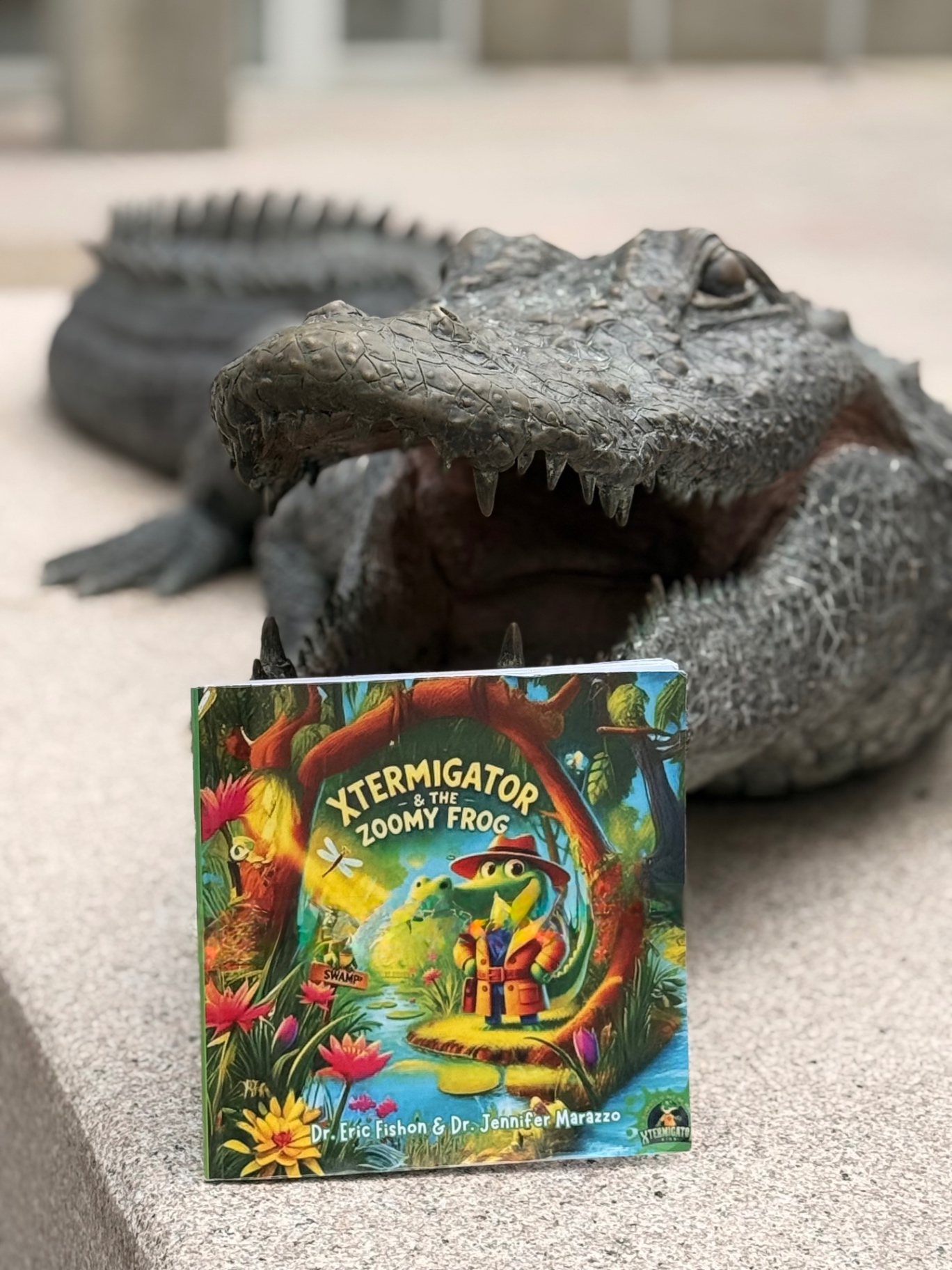
Caption: Our books, like "Xtermigator & the Zoomy Frog," help children and teachers understand the "why" behind sensory behaviors.
The Emotional Transformation: From Chaos to Connection
Implementing these tips isn't just about classroom management; it’s about a fundamental shift in how we view our students. When we stop seeing a "problem child" and start seeing a "child with a sensory need," everything changes.
We recently heard from a parent whose child’s teacher started using these strategies. "For the first time, my son came home and didn't crash into a meltdown," she said. "He felt understood at school. He felt like he belonged. That’s the power of a sensory-friendly classroom."
This is the heart of what we do at XTERMIGATOR KIDS. We believe that a disability is not an inability: it’s just a different way of navigating the swamp. By making these small, intentional adjustments, you are creating a space where every student, whether they are a Zoomy Frog or a Steady Gator, can thrive.
Looking Forward: The Future of Inclusive Classrooms
As we look toward the future of education in 2026 and beyond, the integration of sensory-friendly design will become the standard, not the exception. We are moving toward a world where "Universal Design for Learning" (UDL) ensures that the classroom environment is accessible to everyone from the start.
We hope to see more schools adopting "sensory audits," where educators walk through their halls and classrooms specifically looking for sensory triggers to eliminate. Imagine a school where the architecture itself promotes regulation: where acoustics are softened, and movement is woven into the very fabric of the day.
Until then, start small. Change a lightbulb. Create a calm corner. Buy a few fidgets. Your students: and their nervous systems: will thank you.
If you want to dive deeper into these topics or share your own classroom hacks, hop over to our Swamp Talk forum. We’re all in this together, making the world a little more inclusive, one lily pad at a time.
Want to bring the Friendly Ferns Swamp into your classroom? Check out our latest books to help your students learn about neurodiversity through the adventures of Xtermigator and his friends!