
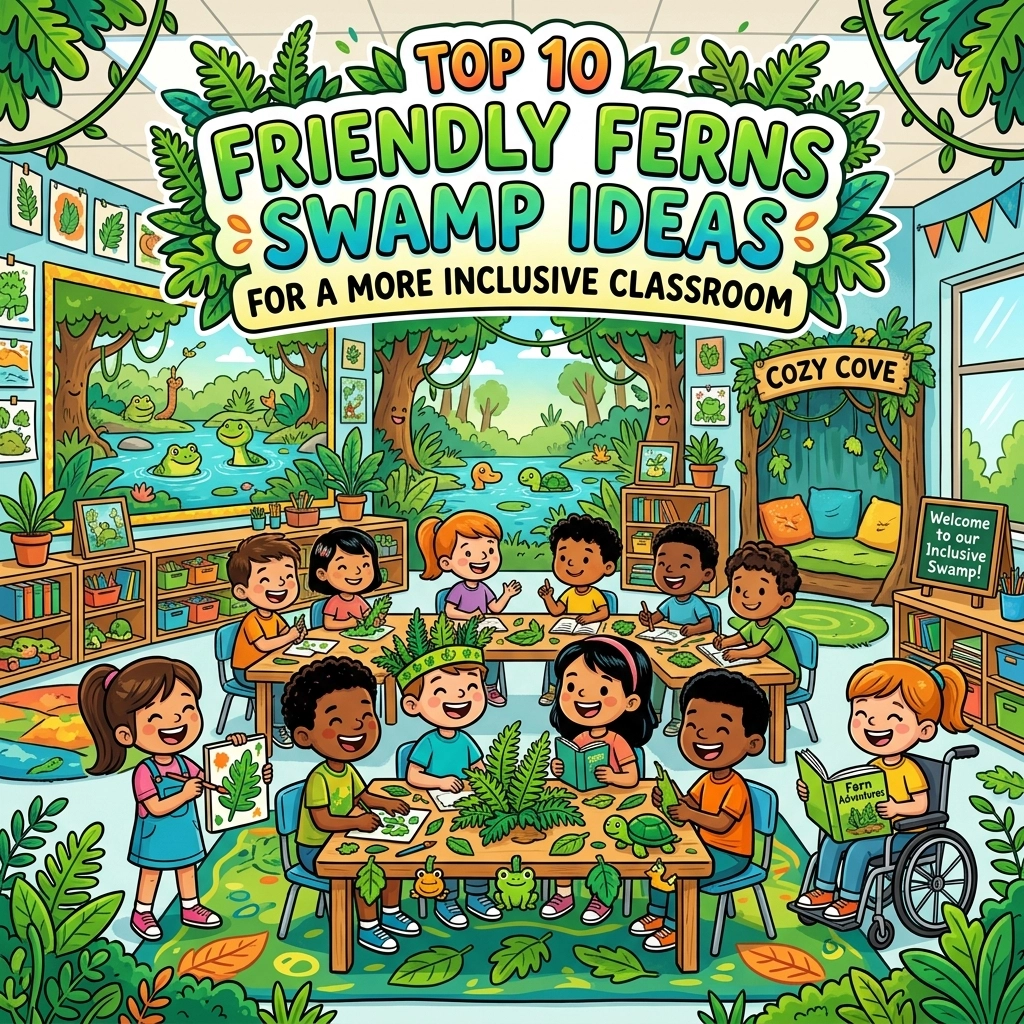
The bell rings, and for most students, it’s the start of a new adventure. But for a child with an invisible disability: like ADHD, autism, or sensory processing disorder: that same bell can sound like a foghorn in a thunderstorm. The bright fluorescent lights hum like a swarm of angry bees, and the cluttered walls feel like they’re closing in. This "Sensory Storm" (a state of intense neurological overwhelm caused by environmental triggers) makes it nearly impossible to focus on long division or spelling bees.
"We often ask kids to fit into a classroom mold that wasn't built for their specific architecture," says Eric Fishon, Owner of XTERMIGATOR KIDS. "At Friendly Ferns Swamp, we believe that a disability is not an inability: it’s your greatest superpower. Our goal is to transform that 'Sensory Storm' into a 'Peaceful Marsh' where every child, regardless of how their brain is wired, can thrive."
Creating an inclusive classroom isn't just about adding a ramp or a special desk; it’s about a cultural shift that celebrates neurodiversity (the concept that neurological differences are natural variations in the human genome). By using the whimsical world of the Friendly Ferns Swamp, educators can implement strategies that make invisible disabilities visible, understood, and supported.
1. Create a "Zoomy Frog" High-Energy Lily Pad Station
For kids like the Zoomy Frog, sitting still isn't just difficult: it’s physically painful. These students often require proprioceptive input (sensory information sent to the brain through our muscles and joints) to help them regulate their bodies.
Instead of demanding they "sit still," create a designated "Zoomy Frog Lily Pad" in the corner of the room. This station can include a wobble stool, a small trampoline, or even "heavy work" activities like stacking weighted books. "When my son sees the Zoomy Frog, he doesn't see a 'problem child,' he sees a hero who has the same engine he does," shares Sarah M., a third-grade teacher and parent. "It normalizes the need for movement."
2. Implement the "Shelly the Turtle" Slow-Flow Reading Zone
Some students process information at a different pace. Whether it’s dyslexia or a slower processing speed (the time it takes for a person to take in information, make sense of it, and respond), these kids often feel left behind in the fast-paced classroom environment.
Shelly the Turtle teaches us that "slow and steady" isn't just a cliché; it’s a valid way to navigate the world. Create a "Safe Shell" reading nook filled with soft pillows and noise-canceling headphones. This allows students to retreat from the "swamp noise" and focus on their tasks without the pressure of a ticking clock.
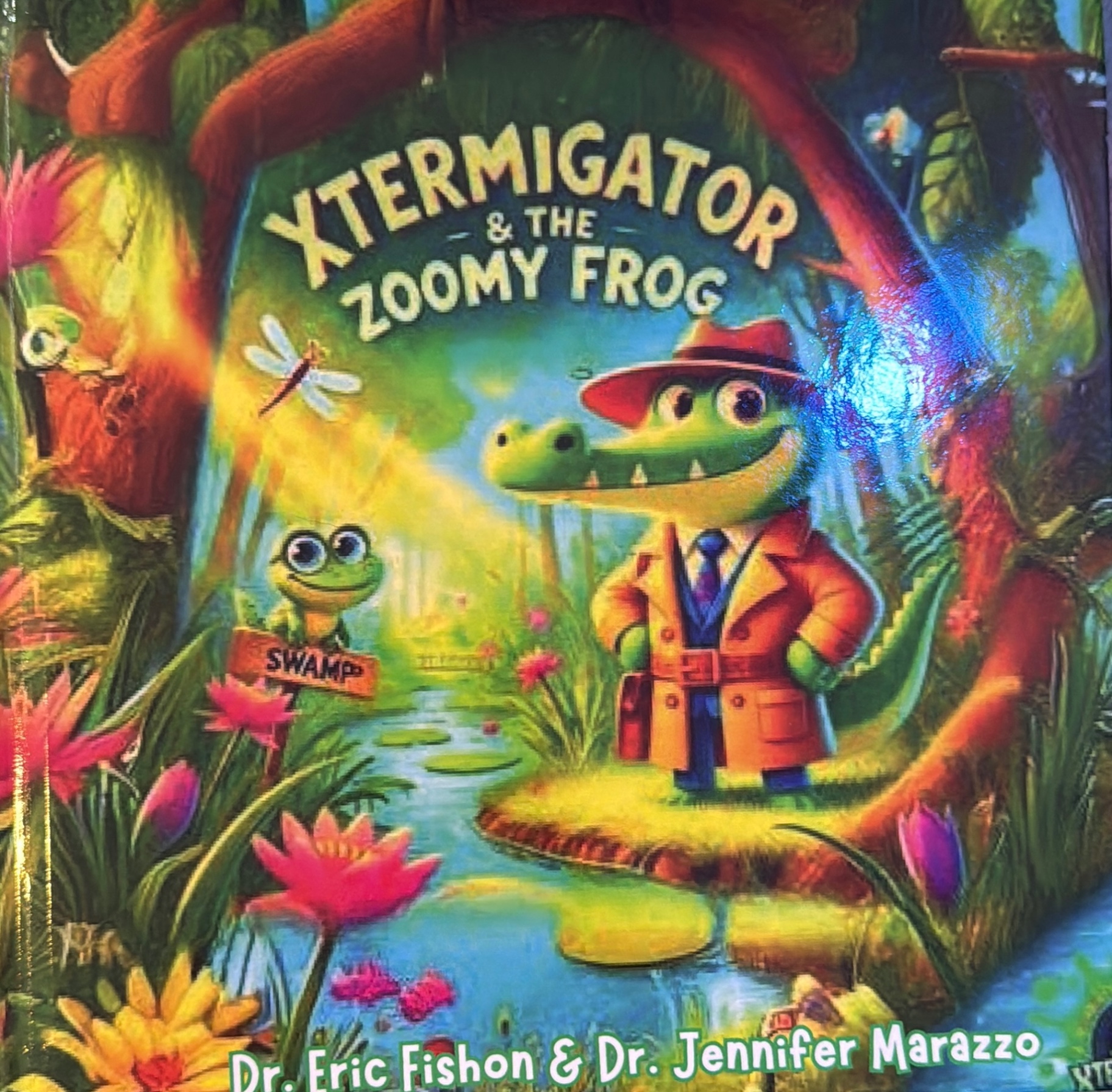
The characters of Friendly Ferns Swamp, like the Zoomy Frog and Shelly the Turtle, help children identify their own unique strengths and needs.
3. Use "Swamp Maps" for Better Executive Functioning
Executive functioning (the mental skills that include working memory, flexible thinking, and self-control) can be a major hurdle for neurodivergent kids. A blank page or a vague instruction like "clean your desk" can lead to total shutdown.
Transform your daily schedule into a "Swamp Map." Instead of just writing "Math" or "Science" on the board, use visual icons of Xtermigator's detective tools to show the steps needed to complete a task. Breaking down a large project into "Bite-Sized Swamp Snacks" helps reduce the anxiety associated with complex transitions. Check out our topics forum for more ideas on visual scheduling.
4. Introduce the "Detective Xtermigator" Mystery Box for Tactile Learning
Many children with learning differences are kinesthetic learners (individuals who learn best through physical activity and touch). They need to "feel" the lesson to understand it.
"I remember the moment a student with autism finally grasped a multiplication concept because we used 'swamp stones' to group numbers," Eric Fishon recalls. "It was an emotional transformation: the look of 'I finally get it' is the greatest reward there is."
A "Mystery Box" filled with various textures: slimy gel (swamp water), rough bark, and soft moss: can be used to teach vocabulary or science concepts, making the educational experience immersive and memorable.
5. Normalize "Swamp Talk" Social-Emotional Check-ins
Social interactions can be a labyrinth for children with autism or social anxiety. Romeo the Otter might want to play, but he doesn't always know how to "dive in."
Dedicate five minutes every morning to "Swamp Talk." Use Friendly Ferns Swamp characters to represent different emotions. "Are you feeling 'Zoomy' like the Frog today? Or perhaps a bit 'Shell-shocked' like the Turtle?" This gives children a safe, whimsical vocabulary to express their internal state without feeling judged. You can even encourage students to share their feelings on our community forum.

Visual aids and character-themed emotional charts can help neurodivergent students identify and communicate their feelings effectively.
6. Curate a "Marshmallow Mist" Sensory Corner
Sensory overload is a leading cause of meltdowns in the classroom. When the "swamp" gets too loud, kids need a place to reset their nervous systems.
A "Marshmallow Mist" corner (using a cool-mist humidifier with a hint of lavender and dim, green lighting) can act as a biological "reset button." This isn't a "time-out" or a punishment. It’s a proactive tool for self-regulation (the ability to monitor and manage your energy states, emotions, and behaviors).
7. Hand Out "Superpower Badges" Instead of Just Gold Stars
In traditional classrooms, we reward "good behavior," which often just means "quiet compliance." But for a child with ADHD, being "quiet" takes so much cognitive energy that they have nothing left for learning.
Shift the narrative by handing out "Swamp Superpower Badges." Celebrate a student’s "Hyperfocus" (an intense form of mental concentration on a particular subject), their "Out-of-the-Bog Thinking," or their "Turtle-Persistence." When a child hears that their ADHD is actually their "Zoomy Superpower," their self-esteem skyrockets.
Our brand message is clear: disability is not an inability. It’s about finding the superpower within every unique mind.
8. Foster "Lily Pad Collaborations" for Inclusive Group Work
Group projects can be a nightmare for students with social anxiety or communication challenges. They often end up isolated or overwhelmed.
Create "Lily Pad Teams" where roles are clearly defined based on individual strengths. Perhaps the student with high energy is the "Swamp Scout" (gathering materials), while the student who excels at detail is the "Swamp Scribe" (recording data). This structure ensures everyone contributes in a way that aligns with their natural abilities, fostering a sense of belonging.
9. Utilize Swamp-Themed Fidgets as "Focus Tools"
Fidgets are often seen as distractions, but for many neurodivergent students, they are essential for focus. They provide the sensory "background noise" the brain needs to stay engaged with the teacher.
"We don't call them toys; we call them Swamp Tools," says Eric Fishon. Whether it’s a "Slippery Eel" (a water-filled tactile tube) or "Crunchy Leaves" (textured paper), having these tools readily available on desks removes the stigma. If you want to chat more about how fidgets help with focus, join the conversation in our Zoomy Frog forum.
10. Host an "All-Swamp Thanksgiving" to Celebrate Diversity
True inclusion means celebrating our differences openly. Once a term, host a "Swamp Celebration" where students share something unique about how their "brain-swamp" works.
Invite parents and caregivers to participate. "Inclusive education is a partnership between the swamp (the school) and the home," Eric notes. By bringing everyone together, we break down the walls of isolation that so often surround families dealing with invisible disabilities.
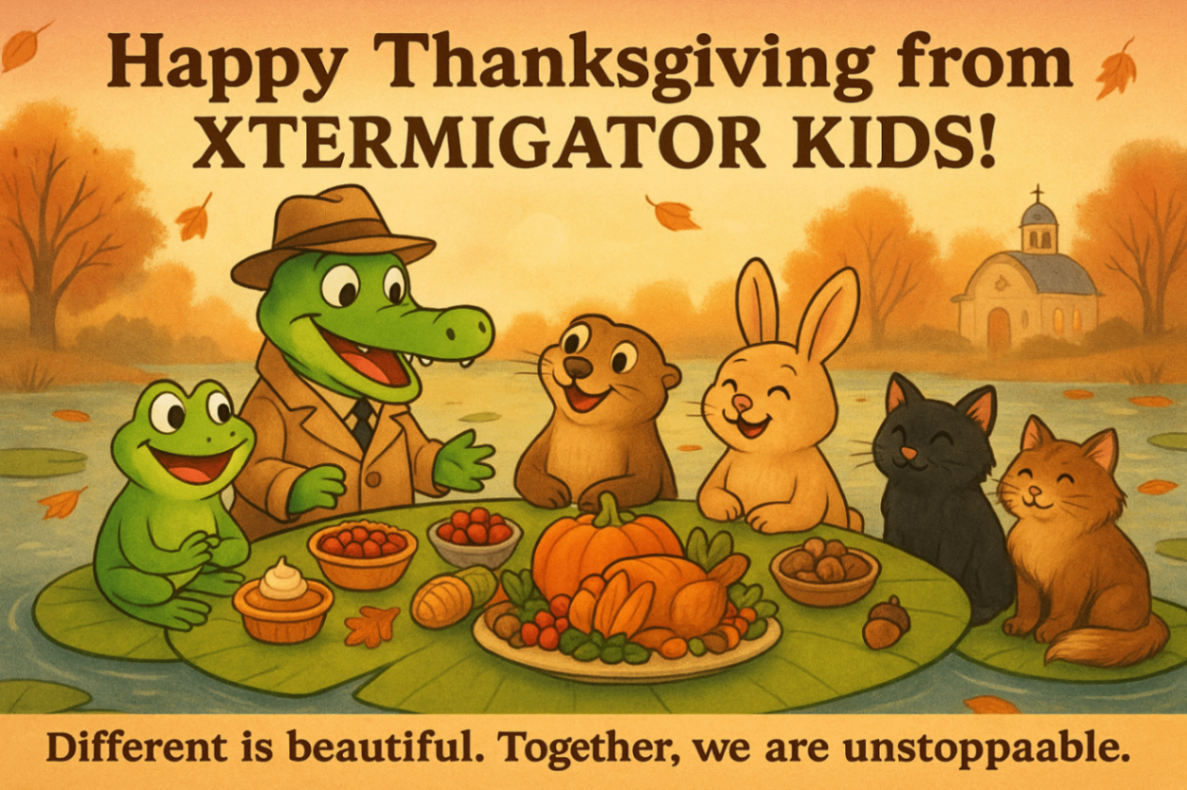
Gathering together to celebrate our unique traits promotes the idea that 'Different is beautiful. Together, we are unstoppable.'
As we look toward the future, we envision a world where the word "disability" is no longer a label of limitation, but a badge of honor. We hope to see more classrooms adopting the Friendly Ferns Swamp philosophy: where the "Zoomy Frogs" are celebrated for their energy, the "Shelly Turtles" are respected for their depth, and every child knows they have a place on the lily pad.
The journey toward a truly inclusive classroom is an ongoing trek through the marshes, but with the right tools and a heart for understanding, every student can find their superpower. Let’s keep exploring the swamp together! For more stories and resources, visit our blog category.